Detroit Police Reversal on Officers' Border Agent Coordination Ignites Political Firestorm
A controversial decision by the Detroit Police Department to reverse course on firing two officers who allegedly violated local law by coordinating with federal immigration agents has sparked widespread outrage and accusations of political capitulation. The move has intensified a national debate over the role of local law enforcement amid stringent immigration policies, particularly in Democratic-led cities like Detroit that typically limit cooperation with federal immigration operations.
Political Pressure and Public Backlash
The initial decision not to terminate the officers—who contacted Customs and Border Protection (CBP) during a traffic stop, partly because the individuals involved did not speak English—came after the Trump administration and Michigan Republican leaders publicly condemned the department on social media. This reversal has drawn sharp criticism from community advocates, who argue that the department succumbed to external political demands rather than upholding local ordinances.
"It appears that leadership at the DPD listened to [GOP Michigan house speaker] Matt Hall rather than listening to Detroiters," said Chris Gilmer-Hill, a community organizer and state house candidate representing part of Detroit. "The majority of Detroiters ... we don't support what ICE is doing and we don't support what these officers did. So we need DPD to listen to what the people in Detroit want them to do."

Incidents and Investigation Details
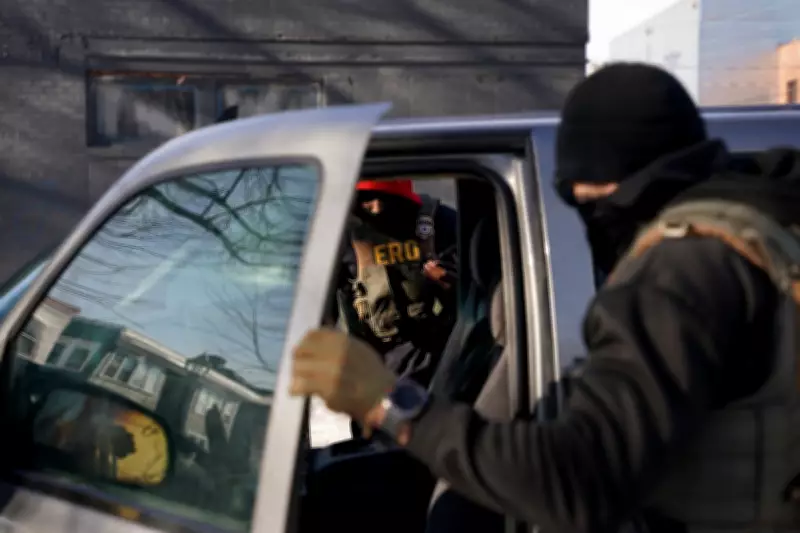
The controversy stems from two key incidents. On December 16, Detroit police called border officers on an immigrant who was a crime victim, now facing deportation proceedings. Another incident on February 9 gained attention when a local reporter observed Detroit police officers and border agents together downtown, with officers declining to comment. Police Chief Todd Bettison later announced an investigation, stating a sergeant contacted Border Patrol for translation services during a traffic stop.
Bodycam footage leaked to YouTube on February 25 revealed officers making derogatory comments, with one suggesting the Venezuelan man could be "Pablo Escobar Jr." and telling him to "start" speaking English because he was "going to jail, buddy." This footage has fueled allegations that the translation justification was a pretext, as Detroit offers translation services and city ordinance explicitly prohibits calling federal immigration agents.
Legal and Policy Implications
Christine Suavé, policy manager at the Michigan Immigrants Rights Center, emphasized that Detroit police officers are aware of the consequences of involving border patrol, which can "devastatingly" reduce trust in local law enforcement. "It's disappointing that politics got in the way of good police policy," Suavé noted, adding that while the center has generally found the department to be a "good partner," this incident highlights significant policy breaches.
Initially, the Detroit police board of commissioners voted unanimously on February 19 to suspend the two officers for 30 days without pay. However, after Republican leaders expressed opposition and ICE offered the officers jobs on social media—calling them "American heroes"—Chief Bettison announced he would not pursue termination. In a statement, Bettison said, "I am satisfied with the [board of commissioners'] decision, and I will not be pursuing termination of these two officers."
Broader Context and Community Impact
This incident underscores the ongoing national tensions over immigration enforcement, with Detroit's location on the border with Windsor, Ontario, adding complexity due to CBP's significant presence. Community advocates like Gilmer-Hill argue that stronger laws are needed to clearly define punishments for officers who violate policies, as the current situation creates fear among immigrants and undermines Detroit's diverse and welcoming ethos.

Detroit Mayor Mary Sheffield's spokesperson reiterated support for the policy against officers calling immigration agents, stating that discipline decisions rest with the police chief and board, a process the mayor respects. Meanwhile, a lawsuit from one of the officers, a 27-year veteran, claims the call was justified due to a fraudulent driver's license and inability to verify identity with department equipment, though leaked footage suggests a lieutenant instructed the call.
The fallout from this reversal continues to resonate, highlighting the delicate balance between local autonomy, political influence, and immigration enforcement in urban America.