A town in East Sussex is preparing to spend more than £15,000 on upgrading its public surveillance systems as it braces for the arrival of hundreds of male asylum seekers. Crowborough Town Council has agreed to the expenditure from its emergency reserves, with the move coming amid sustained local protests and significant safety concerns.
Council Approves Surveillance Spending Amid Tensions
The decision, confirmed in December's council meeting minutes, will see almost £16,000 allocated to upgrade public-facing CCTV cameras from analogue to digital systems. This investment is intended to improve connectivity and allow police to respond more swiftly to any incidents. The council has resolved to seek full reimbursement for the costs from the Home Office and Wealden District Council.
Annual maintenance for the new system is set at £2,471 per year under a three-year contract. This follows the planned switch-off of the old cameras in 2024. Councillors have also requested that police provide regular performance reports on the CCTV network and clarify how long recorded images will be retained.

Protests and a Legal Challenge Over Barracks Plan
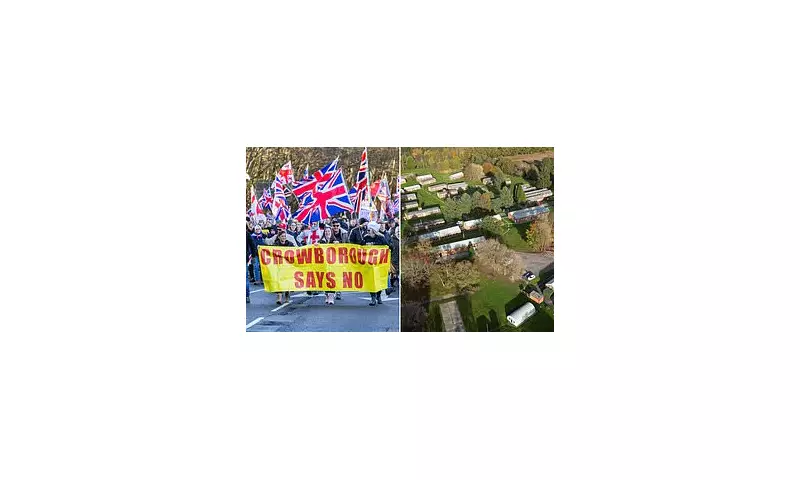
The backdrop to this security upgrade is a highly contentious government plan to house 540 male asylum seekers in the town's No8 Army Cadet Centre. The first arrivals could begin this month, as part of a national strategy to reduce the use of hotels for migrant accommodation. The Home Office had initially hoped to use the Crowborough camp in December but delayed the move to ensure site safety.
Local opposition has been fierce and organised. For nine consecutive weeks, including on a recent icy Sunday, more than one thousand protesters have marched through the town. Around twenty police officers were deployed to manage the latest demonstration, which proceeded from the camp site into the town centre.
Adding to the pressure, Wealden District Council has now joined a community-backed legal challenge spearheaded by the group Crowborough Shield. The group has raised over £87,000 for legal fees to force a full judicial review of the Home Office's plans, citing a lack of transparency and public consultation.
Councillor Cites 'Undocumented Arrivals' as Key Concern
Councillor Peter Bucklitsch explained that police approached the council requesting the CCTV improvements, directly linking the request to growing resident anxiety about the incoming asylum seekers. He stated the police wanted better monitoring capabilities in the town.
Mr Bucklitsch emphasised that the council's agreement was driven by the status of the expected occupants. "None of them have been vetted," he said, characterising them as "undocumented arrivals" who had used a "maritime law loophole." He expressed profound concern that the Home Office has "absolutely no idea who they are," including their backgrounds or potential histories.
However, he was adamant the upgrades were not solely about migrants, pointing out Crowborough's previous support for Afghan refugee families. "It's not about migrants, absolutely nothing about migrants," he contended, "it is entirely that you have undocumented arrivals without the courtesy of any background checks whatsoever from the Home Office." He projected that up to 2,000 individuals could pass through the facility over a year.
The Home Office has previously apologised for its handling of the Crowborough camp plans but remains determined to proceed as part of its policy to end the use of hotels for asylum accommodation. The department has been contacted for comment regarding the specific CCTV upgrades.