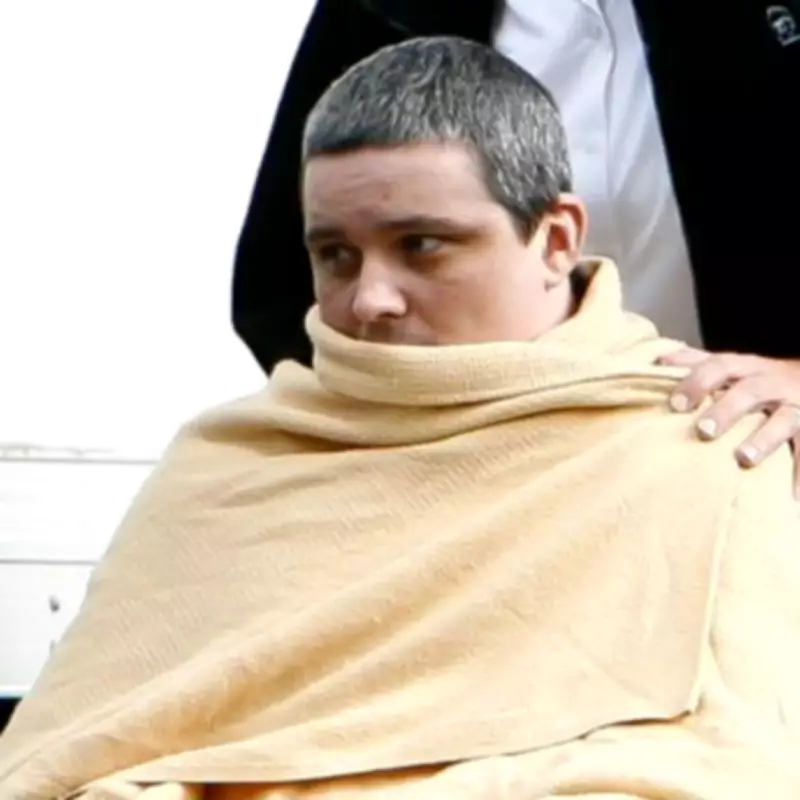
Courtroom Witness Details Ian Huntley's Disturbing Behaviour During Soham Murder Trial
Gordon Rayner, a journalist who sat through every single day of child killer Ian Huntley's trial, has revealed a lasting and unsettling recollection of the murderer, who died earlier this week. Huntley, a former school caretaker, was convicted and jailed for the murders of two 10-year-old girls, Holly Wells and Jessica Chapman, in Soham, Cambridgeshire on August 4, 2002. The girls' bodies were discovered in a ditch approximately 10 miles from Soham after a 13-day search, a case that sent profound shockwaves across the United Kingdom.
Huntley's Death and Recollections Emerge
News of Huntley's death was announced over the weekend, about a week after he was attacked at the maximum security prison where he was being held. In the aftermath of his death, more individuals have come forward to share their memories of encounters with Huntley, both before his arrest and throughout his time on trial. Among those recounting their experiences is Gordon Rayner, who was present in the courtroom throughout the entire trial, seated just feet away from the killer, as reported by the Express.
Writing in the Telegraph, Mr Rayner recalled how Huntley nitpicked over minor details even after admitting guilt. He said: "One of my abiding recollections of the trial is that although he admitted the girls had died at his hands, Huntley nitpicked over facts that made no difference to his guilt." For instance, when the jury was informed that Huntley had changed the tyres on his car after disposing of the bodies—so they did not match the tread pattern found at the scene—he insisted it was something he did once a year as a matter of routine and had nothing to do with dumping the bodies.
Obsessive Focus on Trivialities
Mr Rayner added that Huntley even went so far as to dispute the depth of water in his bath where Holly was allegedly drowned, highlighting his disturbing fixation on inconsequential points. This behaviour underscored a chilling detachment and lack of remorse, painting a portrait of a man more concerned with technicalities than the gravity of his crimes.
Following his trial, Huntley received two life sentences with a minimum term of 40 years to be served for the murders. He was not given a whole life tariff because the Criminal Justice Act 2003 was passed just a single day after his conviction, a legal nuance that has been widely discussed in the years since.
Assault and Death in Prison
Earlier this year, it was reported that Huntley had been assaulted at HMP Frankland, the category A facility where he was imprisoned, before being rushed to hospital with severe brain trauma. On Friday, he was reportedly taken off life support. In a statement following Huntley's death, a spokesperson for Durham Constabulary said: "A man who was attacked at HMP Frankland in Durham last week has died in hospital this morning. Ian Huntley, 52, was taken to hospital with serious injuries following an incident in the workshop on the morning of Thursday 26 February. A police investigation into the circumstances of the incident is ongoing. A file is being prepared for the Crown Prosecution Service for consideration for charges."
This account from Gordon Rayner provides a unique insight into the courtroom dynamics of one of Britain's most notorious murder cases, emphasising how Huntley's petty arguments over details left a lasting impression on those who witnessed the trial firsthand.