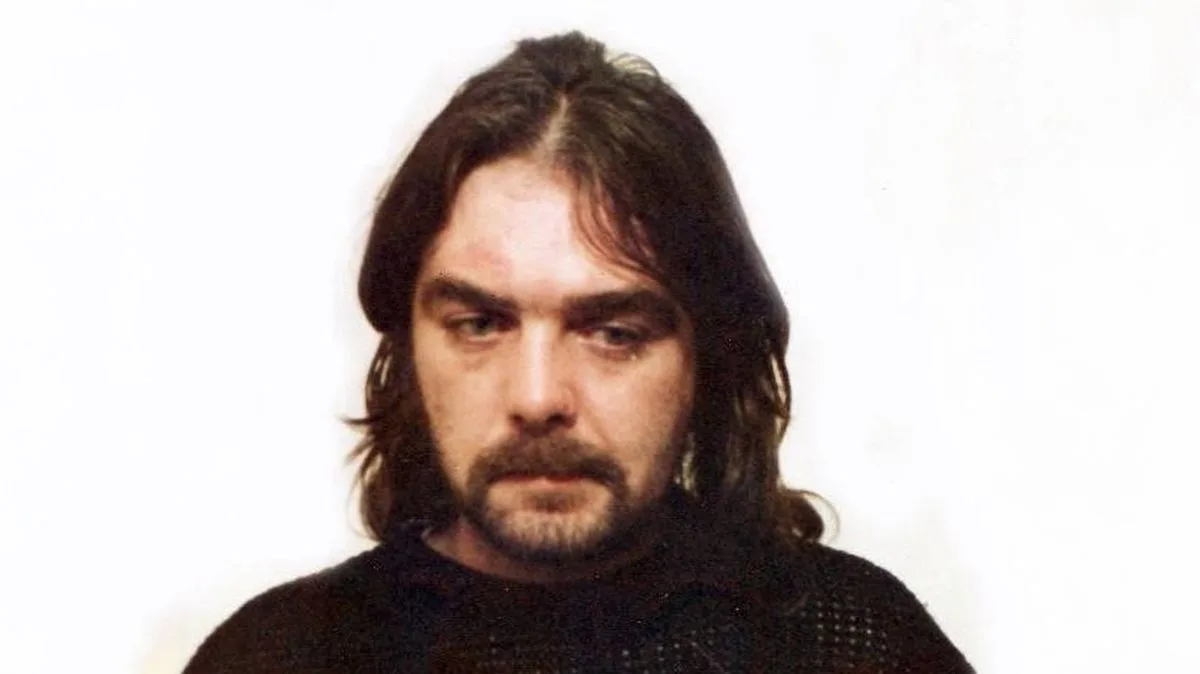
Andrew Davies, the notorious serial sex predator infamously dubbed the 'Coronation Street rapist', has died in prison at the age of 69. The Prison Service confirmed his death from natural causes occurred just over two weeks ago, bringing an end to the saga of one of Britain's most reviled criminals.
A Reign of Terror Across Northern England
Davies, who previously used the names Andrew Barlow and Andrew Longmire, was convicted of a horrific campaign of sexual violence that spread fear throughout communities in the north of England during the 1980s. He received 13 life sentences for his crimes, which primarily targeted women alone in their terraced homes after he waited for male family members to leave the property in the morning.
His criminal activities extended across five counties, with the majority of attacks occurring in Greater Manchester, but also reaching into Cheshire, Staffordshire, Lancashire, and South Yorkshire. The predator earned his chilling nickname because most victims were assaulted in their own terraced residences, reminiscent of the iconic television street.
Failed Release and Parole Controversy
In March 2023, after serving 34 years behind bars, Davies was controversially released on parole despite strong opposition from victims and political figures. His freedom proved shockingly brief - within just six weeks, authorities recalled him to prison for breaching his licence conditions and displaying concerning behaviour that indicated he remained a serious threat to public safety.
The parole board formally rejected his appeal against recall in July 2024, with a panel concluding he 'would present a very high risk of a contact sexual offence at this time' and posed 'very high' risk of serious harm to others. This assessment validated the fears expressed by victims and campaigners who had fought to keep him incarcerated.
Victims' Reactions and Ongoing Trauma
One victim, raped at knifepoint by Davies in her own bed in 1987, expressed complex emotions about his death, telling the Manchester Evening News: 'It's a relief... but it isn't. I still relive what he did to me. It is a very difficult feeling to handle.'
Relatives of other victims described the psychological toll of his brief release and subsequent recall. One family member stated: 'We told the authorities he was too high a risk and we have been proven right.' Another relative revealed how news of his recall triggered physical and emotional distress: 'I had goosebumps all over my body and then my eyes swelled up with tears.'
Political Intervention and Systemic Criticism
The case sparked significant political controversy, with then-Justice Minister and Deputy Prime Minister Dominic Raab attempting to halt Davies' release in January 2023. Raab described the offences as 'despicable' and emphasized that 'public protection is my number one priority.'
Veteran Manchester MP Graham Stringer was particularly vocal in his criticism of the parole system, stating after Davies' rapid return to prison: 'This is institutional failure of the highest order. They were warned by me and the victims.'
Criminal History and Investigation Breakthroughs
Davies' original conviction in 1988 resulted in 11 life sentences for raping 11 women, plus an additional 56 years for other offences. Remarkably, advances in DNA technology later connected him to two additional rapes from 1981 and 1982, resulting in two further life sentences in 2010 and 2017.
During the intense manhunt in the 1980s, Davies evaded capture at Leeds railway station and later shot at two police officers during his eventual arrest in Bebington, Merseyside. Although the officers escaped injury, he was convicted of their attempted murder.
A Prison Service spokesperson acknowledged the gravity of his crimes, stating: 'These were despicable crimes, and our thoughts remain with the victims of Andrew Davies.' The Prisons and Probation Ombudsman will conduct a standard investigation into his death in custody at HMP Moorland near Doncaster.






