Children's Letters from ICE Detention Reveal Fear and Despair in Texas Facility
Heartbreaking letters written by children detained at a sprawling immigration facility in rural Texas have exposed the grim reality facing a growing number of immigrant families held under the Trump administration's accelerated deportation efforts. The letters, collected and published by ProPublica, provide firsthand accounts from children as young as seven who describe overwhelming sadness, boredom, fear of returning to dangerous home countries, and frustration with an immigration system they perceive as unjust.
Voices from Inside the Dilley Detention Center
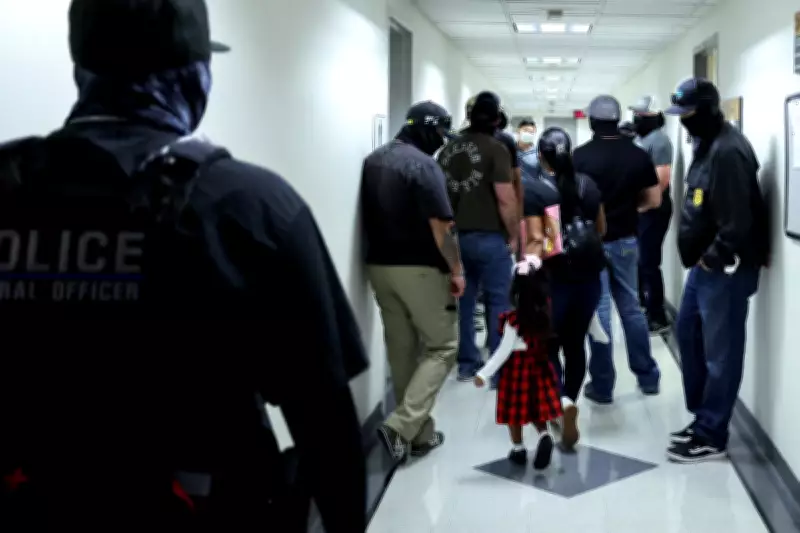
The Dilley Immigration Processing Center, operated by private prison firm CoreCivic approximately 70 miles south of San Antonio, has come under heightened scrutiny from members of Congress and advocacy groups. While the Biden administration ceased holding families at the facility in 2021, the Trump administration reopened it to target immigrants with families who have lived for years in the country's interior. According to ProPublica analysis, roughly 3,500 detainees, more than half of them children, have cycled through the facility since its reopening.
In their letters, the children describe missing their normal lives, friends, and classmates. Seven-year-old Mia wrote, "I don't want to be in this place. I want to go to my school, I miss my grandparents, I miss my friends, I don't like the food here, I miss my school, I don't like being here, I am bored here, I don't feel so good in this place, I already want to leave this place, I miss my uncles, I hope to leave here soon."
Extended Detention and Educational Disruption
Although children generally cannot be detained for longer than 20 days, court filings and testimony suggest many are held for weeks or months. Two teenage brothers have reportedly been detained for four months, and 14-year-old Jorge celebrated his birthday at Dilley with a cake made from commissary cookies. The children also report falling behind in school due to inadequate educational provisions. Alexander Perez, a 15-year-old from the Dominican Republic, told ProPublica that classes consist of mixed age groups with only 12 students at a time for one-hour lessons on a first-come, first-served basis, with one instructor turning a social studies lesson into what felt like a lecture on immigration policy.
Fear of Deportation and Health Concerns
Many children express terror at the prospect of being returned to the countries they fled. Fourteen-year-old Ariana from Honduras wrote, "I have never felt so much fear to go to a place as I feel here every time I remind myself that once I go back to Honduras a lot of dangerous things could happen to my mom and my younger siblings." She added that inside Dilley, "all you will feel is sadness and mostly depression."
Health issues are a significant concern, with children reporting that people are "always sick" and detention staff "don't care." Twelve-year-old Ender wrote, "The only thing they tell you is to drink more water and the worst thing is that it seems like the water is what makes people sick here." ICE confirmed at least two measles cases at the center this month, and a recent lawsuit alleges staff failed to provide adequate medical care for a gravely ill 18-month-old girl hospitalized with life-threatening respiratory illnesses.
Recent Cases and Administration Response
Recent detainees include five-year-old Liam Conejo Ramos and two-year-old Chloe Renata Tipan Villacis, along with their fathers. Liam and his father were ordered released earlier this month, and Chloe was ordered to the custody of a family attorney, but their cases have fueled outrage. They were among at least seven students from the same Minnesota school district detained by federal agents in recent weeks, according to Superintendent Zena Stenvik.
The Department of Homeland Security has defended its practices, with Assistant Secretary Tricia McLaughlin stating that detainees have access to "the best healthcare many aliens have received in their entire lives," including medical screenings within 12 hours of arrival and 24-hour emergency care. DHS has urged families to "take control of their departure" using the CBP Home app, warning that otherwise they will be arrested and deported without a chance to return.
As the Trump administration continues its mass deportation campaign targeting immigrant families, these letters from children offer a poignant and disturbing glimpse into the human cost of expanded detention policies, highlighting the emotional and psychological toll on some of the most vulnerable individuals caught in the immigration system.