
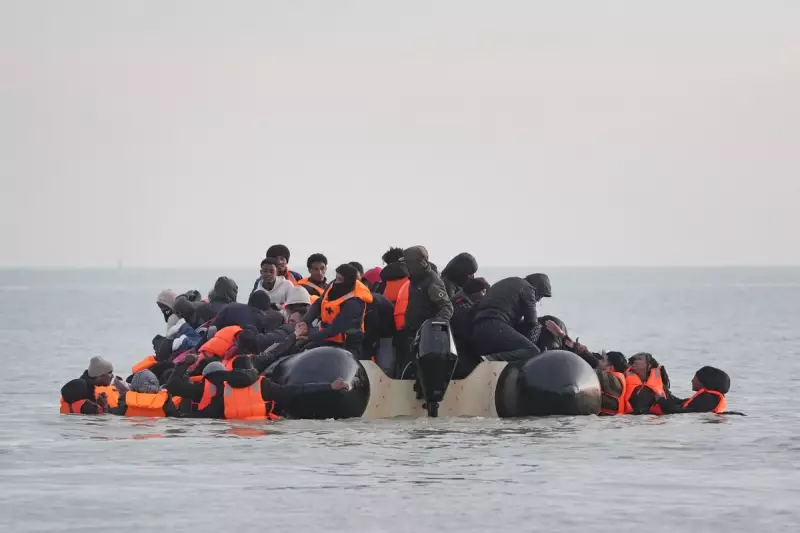
The number of migrants arriving in the United Kingdom via small boat crossings of the English Channel reached 41,472 in 2025, confirming it as the second highest annual total on record.
A Year of Fluctuating Arrivals and Rising Per-Boat Numbers
The finalised data, released by the Home Office on Thursday 1 January 2026, shows the annual figure finished 9% below the peak of 45,774 recorded in 2022. However, it represents a significant 13% increase from the 36,816 crossings in 2024 and a 41% jump from the 2023 total of 29,437.
For much of the year, arrivals were tracking at the highest level since records began in 2018. This pace slowed markedly in the final two months, with a notable 28-day period from 15 November to 12 December where no crossings were recorded. The festive period also saw no arrivals on New Year's Eve.
A continuing trend was the rise in the average number of people per vessel. In 2025, each boat carried an average of 62 people, up from 53 in 2024 and 49 in 2023.
Government Strategy: New Laws and International Deals
The Labour government, which won the July 2024 general election with a pledge to tackle people-smuggling gangs, faced sustained pressure throughout the year over the crossings. Since taking power, nearly 65,000 migrants have arrived by small boat.
In response, a series of measures were enacted or proposed. The Border Security, Asylum and Immigration Act became law in December 2025, introducing new criminal offences and granting counter-terror style powers to target smuggling networks.
Home Secretary Shabana Mahmood announced plans for sweeping asylum reforms in November, inspired by the Danish system. These would make refugee status temporary, subject to 30-month reviews, and extend the wait for permanent settlement from five to 20 years. The plans, not yet legislated, drew criticism from some Labour MPs and were deemed insufficient by Tory leader Kemi Badenoch, who reiterated calls to leave the European Convention on Human Rights (ECHR).
International cooperation formed a key pillar of the strategy. A pilot "one in, one out" returns deal with France commenced in August. By 16 December, Border Security Minister Alex Norris stated 193 migrants had been returned to France under the scheme, with 195 arriving via safe routes. The deal has been criticised by Shadow Home Secretary Chris Philp as "no deterrent at all," especially after two removed migrants later returned to the UK.
Human Cost and Critical Response
The dangerous journey across the world's busiest shipping lane continues to claim lives. French and UK authorities reported at least 17 deaths in 2025 during attempts, though there is no official fatality tally for the Channel itself. The International Organisation for Migration has reported 36 migrant deaths believed linked to UK-bound travel from mainland Europe.
Enver Solomon, Chief Executive of the Refugee Council, reacted to the annual figures by stating most individuals make the perilous journey out of desperation, fleeing regimes like the Taliban or conflicts such as Sudan's civil war. He argued that "plans that will punish people found to be refugees are unfair and not an effective deterrent," calling instead for a multi-pronged approach with more safe, legal routes.
The government's proposed reforms could also end the legal duty to provide asylum seeker support, meaning housing and weekly allowances would no longer be guaranteed. Amid rising costs and local protests, such as those seen at the Bell Hotel in Epping, Essex, the government has pledged to end the use of hotels for asylum accommodation by 2029.