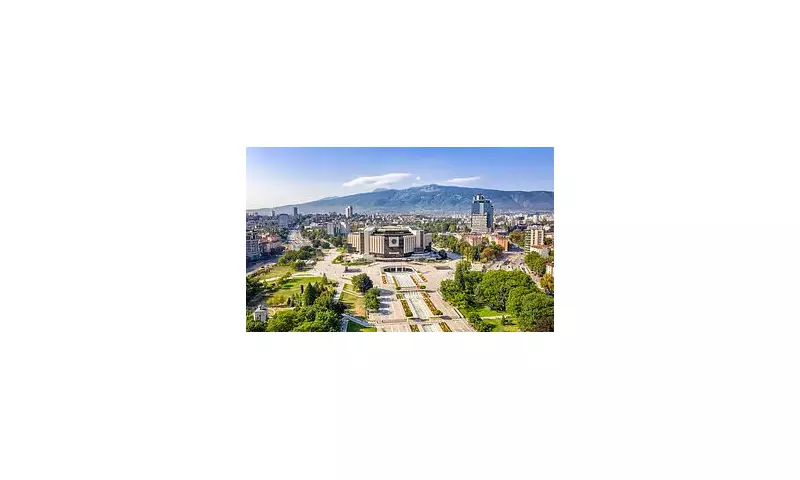
Bulgaria has formally introduced its first-ever digital nomad visa, establishing a clear pathway for remote professionals from outside the European Union to live and work in the Balkan nation. The programme officially opened for applications on 30 December 2025.
The new permit is designed for foreign nationals who are not from the EU, the European Economic Area (EEA), or Switzerland. Eligible applicants must work remotely for employers based abroad or run their own businesses outside Bulgaria.
Eligibility and Application Process
Prospective applicants face a multi-stage process. First, they must obtain a multi-entry visa for Bulgaria before they can request residence. This initial step is estimated to take between four and eight weeks.
After arriving in the country, applicants are required to resubmit their documentation to the Bulgarian government. This secondary stage takes a further two to four weeks for processing. Finally, the application for a residence identification card can take up to 30 calendar days.
A key financial requirement is that applicants must prove an average annual income of at least €31,000 (approximately £27,000). This figure is set at 50 times Bulgaria's minimum monthly salary of €620 (£540) as of January 2025.
Visa Categories and Conditions
Bulgarian legislation defines three primary categories for eligibility. The first covers non-EU/EEA/Swiss citizens who work remotely for companies outside these regions and meet the minimum salary threshold.
The second category is for foreign individuals who hold management roles or own a significant stake (over 25%) in a company based outside the specified regions, provided the company does not serve clients within Bulgaria.
The third category targets self-employed digital nomads. To qualify, they must have worked remotely for over a year using technology for clients outside Bulgaria, have earned income from abroad, and not be engaged in freelance work or employment for Bulgarian companies.
All remote professionals must provide employment contracts, while those offering remote services need to supply service and recommendation contracts from their clients.
The residence permits granted are valid for one year and can be renewed once for an additional year. This structure indicates the visa is not a direct route to permanent settlement unless holders transition to an alternative residency status later.
Holders of the digital nomad visa will also be able to sponsor dependents through a family reunification process.
Global Context for Remote Workers
Bulgaria's move aligns with a growing global trend of countries seeking to attract remote professionals. In a separate development, New Zealand has significantly relaxed its visa rules to lure digital nomads as part of an effort to boost its tourism sector.
Under New Zealand's new policy, visitors can undertake remote work for overseas employers for up to 90 days without breaching their visa conditions. However, those staying longer may face potential tax implications.
The change, highlighted by Immigration Minister Erica Stanford, aims to enable visitors to extend their stays, thereby increasing spending within the country.