British-Iranians Report Intimidation and Safety Concerns in UK Amid Iran Conflict
British-Iranians Report Intimidation in UK Amid Iran War Tensions

British-Iranians Report Intimidation and Safety Concerns in UK Amid Iran Conflict

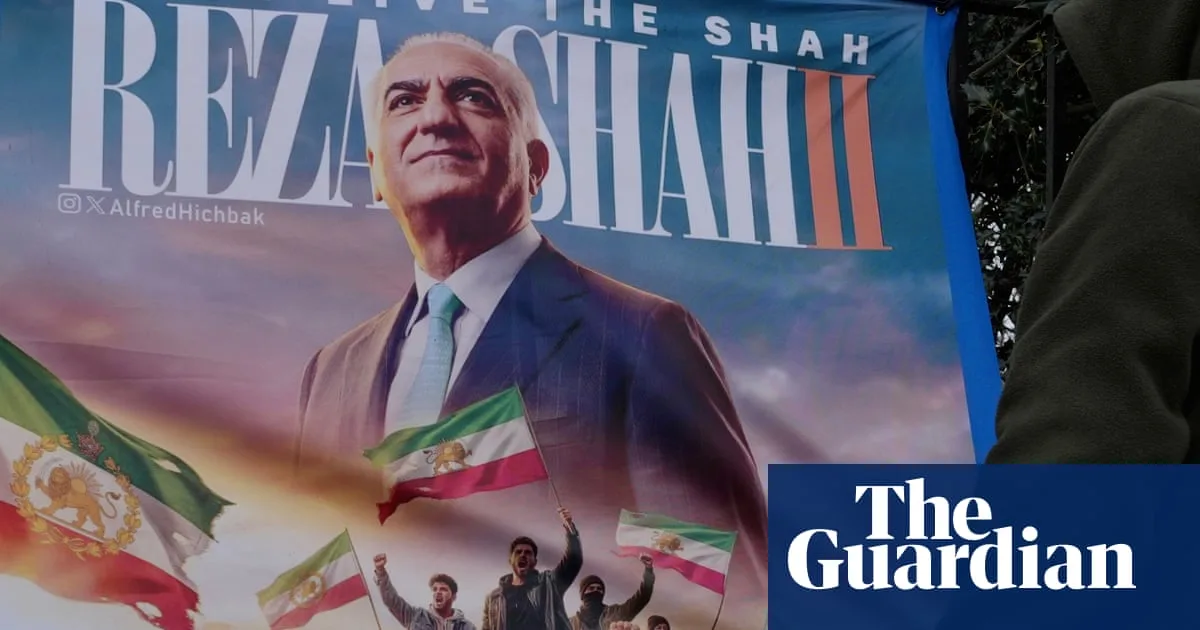
British-Iranian activists have raised serious safety concerns with UK authorities, accusing supporters of exiled Iranian monarchist Reza Pahlavi of intimidation and harassment within the diaspora community. These allegations emerge against a backdrop of heightened tensions linked to the ongoing conflict involving Iran, the US, and Israel, with London's Iranian community reporting unprecedented fears.

Allegations of Aggressive Behaviour and Coercion

Naghmeh Rajabi, a British-Iranian activist who arrived in the UK at age 11, has detailed incidents of intimidation that have left her feeling unsafe in Finchley, a north London area known as Little Tehran due to its large Iranian population. Rajabi, whose relatives were killed by the former Iranian regime, stated that after decades of peaceful coexistence, the community now faces daily reports of incidents involving pro-monarchist groups.

"There are people that have lived here for 40-plus years and there's never been any issues, and it's just all of a sudden we keep hearing every day about incidents involved with these pro-monarchists and their intimidation," Rajabi explained. She has met with Metropolitan Police officers and Barnet Council members to voice these concerns, highlighting online videos in Farsi showing individuals being "aggressive and attacking" and others "coercing" shop owners to display the pre-1979 lion and sun flag.

Wide Pickt banner — collaborative shopping lists app for Telegram, phone mockup with grocery list

Police Response and Community Reassurance

Local police have increased patrols in Barnet and met with community representatives and businesses to manage tensions. Detective Superintendent Katie Harber, who leads policing in the borough, acknowledged the global impact of distant conflicts on local communities. "London is a global city and the impact of events that take place thousands of miles away play out locally in the capital. We understand the fears that many people in our Iranian communities may have," she said.

These concerns coincide with broader security measures, including the recent ban on an al-Quds Day march and counterprotests due to high risks of public disorder. Additionally, in early March, police arrested four men suspected of spying for Iran, with two charged subsequently. On Friday, two individuals, one Iranian, were arrested for allegedly attempting to enter the Faslane nuclear submarine base in Scotland.

Political Divisions and Diaspora Unity Challenges

The intimidation allegations have sparked a petition on Change.org calling on the Home Office to investigate UK supporter groups of Reza Pahlavi and protect communities from threats. Pahlavi, when questioned by CNN about online harassment from individuals claiming to be his supporters, stated, "I've always spoken against any kind of political violence or intimidation."

Vahid Beheshti, an activist and founder of Iran Front, emphasized the difficulty of unifying Iran's diverse opposition groups under one leader or ideology. He warned that the Iranian regime often exploits divisions, using monarchist identities to attack others. "The regime, most of the time, at this very crucial moment, when they see they are collapsing, they are using the name of opposition against opposition and mainly they use monarchist masks to attack others," Beheshti said.

Community Leaders Describe Atmosphere of Fear

Laila Jazayeri, director of the Association of Anglo-Iranian Women in the UK, described Finchley as a "no-go" area, comparing the atmosphere to the terror experienced in Iran. "It's like, what do you call it? An atmosphere of terror that we have in Iran. It's so intense," she said. Jazayeri, who supports Maryam Rajavi of the exiled dissident group Mujahedin-e Khalq (MEK) as a potential future female leader for Iran, has also spoken with police about her safety concerns.

Pickt after-article banner — collaborative shopping lists app with family illustration

Rajabi echoed the urgency for action, stating, "Unless concrete action is taken, this is just going to escalate." British-Iranians, many of whom fled the Islamic republic and participated in anti-government protests in 2022, now find themselves grappling with both the escalation of conflict in the Middle East and related safety issues in the UK, urging political leaders like Keir Starmer to avoid further entanglement in the conflict.




