Bangladeshi Workers Deceived into Russian Army Face Coercion on Ukraine Frontlines
A disturbing pattern of exploitation has emerged, with Bangladeshi migrant workers being enticed to Russia under false pretences of civilian employment, only to find themselves forcibly deployed to the brutal conflict in Ukraine. An investigation by The Associated Press has uncovered multiple cases where individuals were threatened with violence, imprisonment, or death if they refused combat roles.
False Promises and Military Contracts
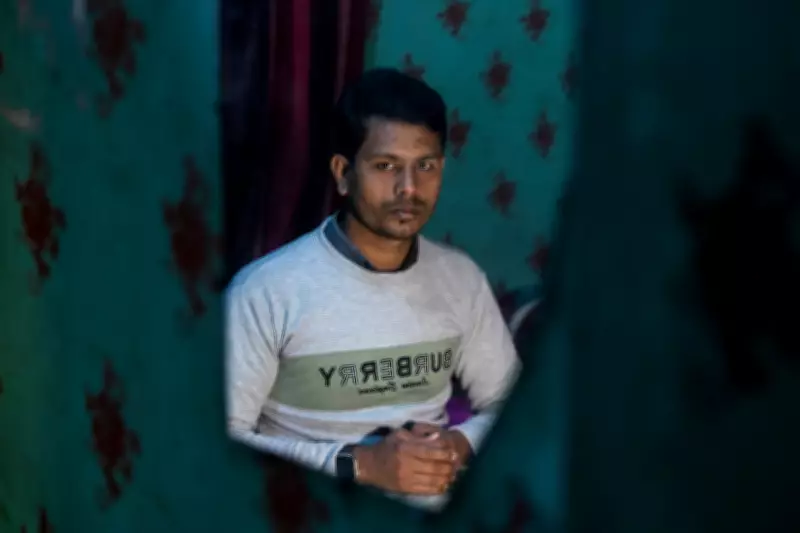
Maksudur Rahman, a 31-year-old from Lakshmipur, Bangladesh, was lured from his tropical homeland with the promise of a janitorial position in Russia. Upon arrival in Moscow in December 2024, he and fellow workers were instructed to sign Russian-language documents they believed were for cleaning services. These documents later proved to be military enlistment contracts.
"They were then transported to an army camp for training in drone warfare, medical evacuation, and basic combat skills involving heavy weaponry," the investigation found. When Rahman protested, a Russian commander reportedly stated via a translation app: "Your agent sent you here. We bought you."
Coercion and Brutal Conditions
Rahman and other Bangladeshi men shared harrowing accounts of being coerced into frontline tasks against their will. These included advancing ahead of Russian forces, transporting supplies, evacuating wounded soldiers, and recovering the dead. Workers claim they were threatened with 10-year jail terms and physically assaulted.
"They'd say, 'Why don't you work? Why are you crying?' and kick us," said Rahman, who escaped and returned home after seven months. The men's accounts were corroborated by documents including travel papers, Russian military contracts, medical reports, and photographic evidence.
Systematic Recruitment and Deception
The investigation reveals a systematic recruitment operation targeting vulnerable migrant workers from Bangladesh and other South Asian nations. Workers typically pay substantial fees to brokers - Rahman took out a loan to pay 1.2 million Bangladeshi taka (approximately $9,800) - for what they believe are legitimate employment opportunities in Russia.
In the lush Lakshmipur district of southeast Bangladesh, nearly every family has at least one member employed as a migrant worker overseas. Job scarcity and poverty have made such work essential for survival, creating fertile ground for exploitation by unscrupulous recruiters.
Frontline Horrors and Escape Attempts
Once deployed to Ukraine, Bangladeshi workers faced unimaginable dangers. Rahman described being sent to frontline positions and ordered to dig pits inside bunkers while bombs fell nearby. "The Russians would take a group of say, five Bangladeshis. They would send us in front and stay at the back themselves," he recounted.
Some workers were killed in action. Mohammed Siraj's 20-year-old son Sajjad, who believed he was going to Russia to work as a chef, was killed in a drone attack after being forced to fight. Other families remain in agonising uncertainty about missing loved ones.
Broader Pattern of Exploitation
Officials and activists confirm that Russia has targeted men from multiple African and South Asian countries, including India and Nepal, using similar deceptive recruitment practices. The exact number of Bangladeshis deceived into fighting remains unclear, though workers reported seeing hundreds of their compatriots alongside Russian forces in Ukraine.
Bangladeshi police investigators have uncovered a trafficking ring operating in Russia, with at least 40 Bangladeshis believed to have lost their lives in the conflict. A middleman with Russian citizenship has been charged in connection with the scheme.
Families Left in Despair
Families in Bangladesh cling to documents of their missing loved ones - Russian business visas, military contracts, and army dog tags - hoping these might eventually facilitate their return. Many have received no payment for their relatives' forced service and face financial ruin after paying substantial recruitment fees.
Salma Akdar, whose husband Ajgar Hussein disappeared after being sold to the Russian army, represents countless grieving families: "I don't want money or anything else. I just want my children's father back." Her husband's final audio message simply said: "Please pray for me."
The Bangladeshi government has faced pressure from families to investigate these cases, while neither Russian defence nor foreign ministry officials have responded to questions about the allegations. As the conflict continues, vulnerable migrant workers remain at risk of similar exploitation by predatory recruitment networks.