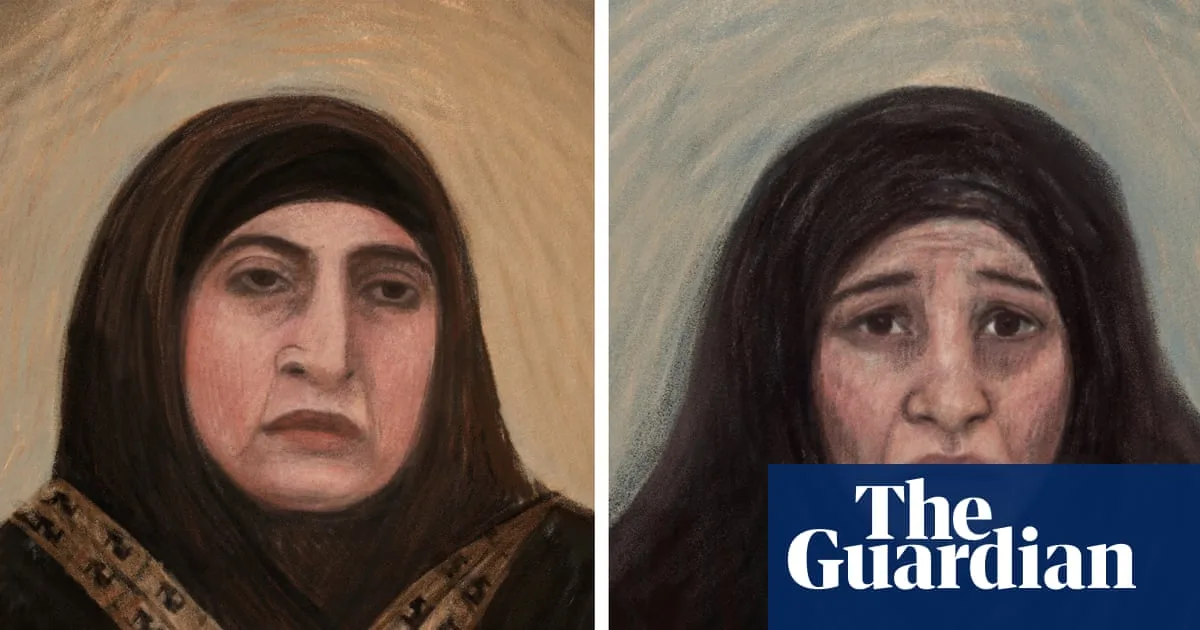
An Australian mother and daughter have been accused of keeping a female slave after travelling to Syria in 2014 to support the Islamic State group, police announced on Friday as the pair faced charges in Melbourne. The women returned to Australia on Thursday following years spent in a Syrian detention camp, where they were stranded after Islamic State's collapse.
Arrests and Charges
Counter-terrorism forces arrested Kawsar Ahmad, 53, and her daughter Zeinab, 31, immediately after their Qatar Airways flight landed at Melbourne International Airport. Police accused the women of committing 'crimes against humanity' while living under Islamic State's self-declared caliphate. The Australian Federal Police stated that Kawsar Ahmad was 'complicit in the purchase of a female slave for US$10,000'. She faces multiple charges, including 'enslavement' and engaging in 'slave trading'. Her daughter Zeinab had 'knowingly kept a female slave in the home', according to police.
Background and Detention
The mother and daughter were detained by Kurdish forces in 2019 as Islamic State's caliphate crumbled. They were held in Syria's notorious Roj camp for years before their repatriation to Australia. A bail hearing for the women is scheduled for Monday in Melbourne.
Other Returnees
In total, four women and their nine children returned to Australia from Syria on Thursday. Janai Safar, 32, was arrested after landing in Sydney with her son. She was charged with entering a restricted area and joining a 'terrorist organisation'. Safar travelled to Syria in 2015 to join her husband, a member of Islamic State. She too had spent years in a Syrian detention camp after the group's defeat. 'She has a nine-year-old son. They have lived in truly horrific conditions in refugee camps for many years,' defence lawyer Michael Ainsworth told a court hearing. Safar, who appeared sombre via video link from a prison in western Sydney, was refused bail. A fourth woman travelling with the group was not arrested.
Government Response
Australian Prime Minister Anthony Albanese commented, 'One of the things that divides our society from the lawless barbarity of ISIS is that we believe in the rule of law. I have absolutely zero sympathy for these people. I do have sympathy for the children though, who are victims of decisions their parents have made.' Home Affairs Minister Tony Burke accused the returning women of making 'a horrific choice to join a dangerous terrorist organisation'.
Context and Controversy
As Islamic State rose to power in the early 2010s, Australia made it an offence to travel to strongholds such as Raqqa province in Syria. Hundreds of women from Western nations were lured to the Middle East during that period, often following husbands who had joined as jihadist fighters. Australia, Canada, the United Kingdom, and others are still grappling with how to treat citizens stranded after the group collapsed. The case of the so-called 'ISIS brides' has stirred strong feelings in Australia. The Australian Human Rights Commission urged the government in March to help repatriate 34 women and children stuck in Syria's Roj detention camp. However, others have accused the women of abandoning Australia and believe they should face the consequences. These are not the first Australian citizens to return from Syria's refugee camps; small groups of women and children flew back to Australia in 2019, 2022, and 2025.