
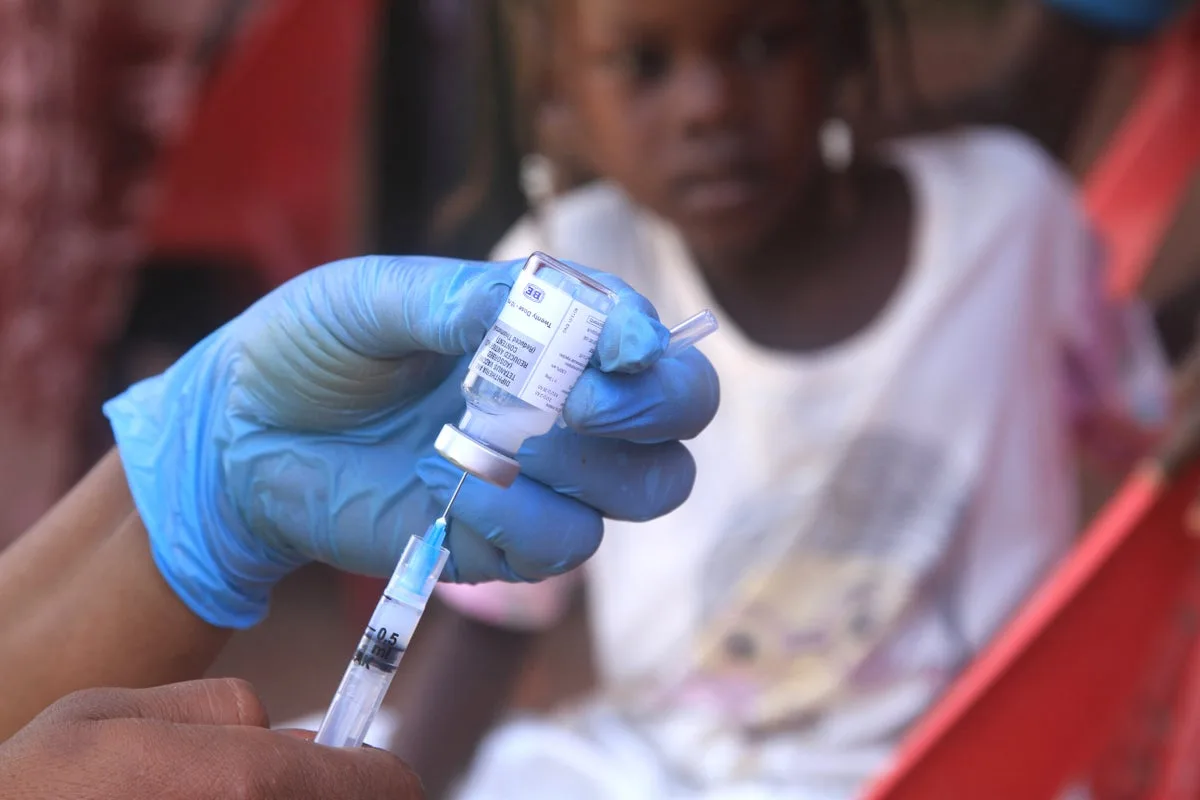
Australia is struggling to contain its most severe diphtheria outbreak in decades, with nearly 220 cases reported across several states and territories. The bacterial infection, once nearly eradicated following a vaccination programme that began in the 1930s, has resurged due to declining immunisation rates.
The majority of cases are concentrated in the Northern Territory, Western Australia, South Australia, and Queensland. Almost all those affected are Indigenous Australians, prompting health authorities to collaborate with Aboriginal agencies to boost vaccination coverage. Federal Health Minister Mark Butler described the outbreak as “by a very big distance, the biggest outbreak of diphtheria we’ve ever seen” in 35 years of national case recording.
About 25 per cent of cases have required hospitalisation, placing pressure on healthcare systems, particularly in the Northern Territory. Health authorities are investigating a suspected diphtheria death, which would be the first fatality from the disease in nearly a decade. The government is finalising a support package that includes additional vaccines and a surge workforce, working closely with the Northern Territory government and Aboriginal-controlled health services.
Diphtheria typically spreads through respiratory droplets or contact with contaminated objects. Symptoms include a thick grey-white coating in the throat, fever, sore throat, and difficulty breathing. Cutaneous diphtheria, which infects the skin, causes pus-filled blisters and ulcers. Immunisation expert Milena Dalton warned that the outbreak shows how quickly vaccine-preventable diseases can re-emerge when immunisation gaps exist.




