
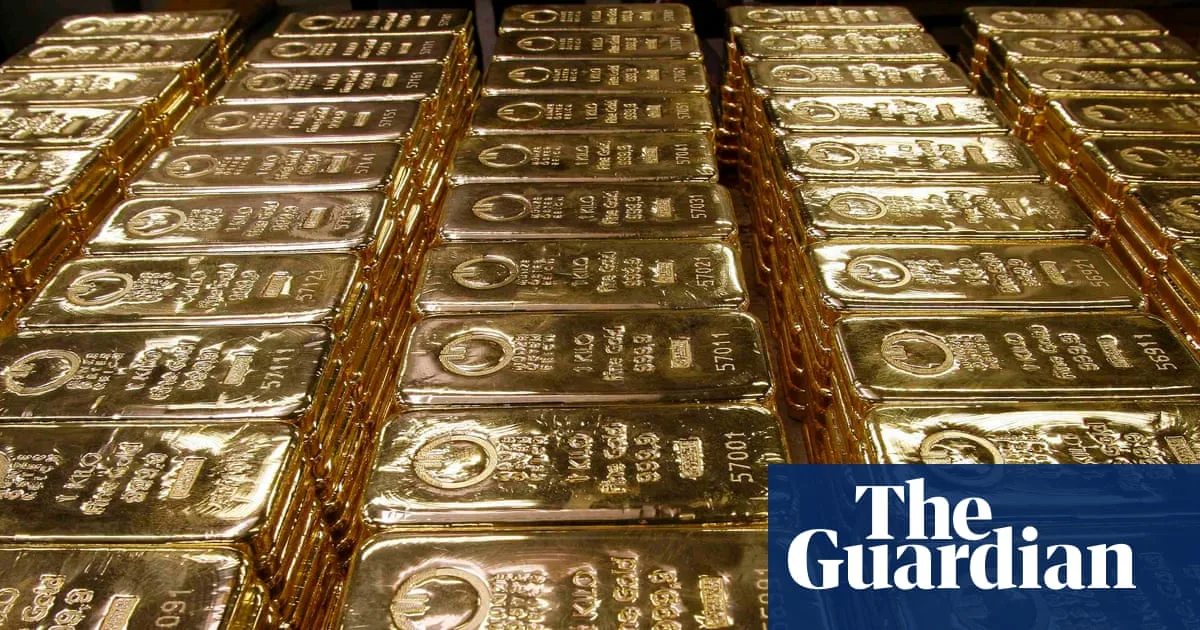
The FTSE 100 reached a new record high on Monday, closing at 10,341 points, as a sharp sell-off in gold and silver prices prompted investors to shift away from safe-haven assets. The index briefly touched an intraday high of 10,345, supported by a partial recovery in metals prices after a dramatic slump.
Gold prices fell by as much as 8% to $4,465 an ounce, recovering to $4,700 by afternoon trading, still down 3.5%. Silver dropped 7% after a 30% plunge on Friday, later trading at $79.60 an ounce. The sell-off was triggered by Donald Trump's nomination of Kevin Warsh, a former Federal Reserve governor, as the next Fed chair, replacing Jerome Powell in May if confirmed.
Analysts attributed the decline to relief that a 'Trump cheerleader' would not lead the central bank, reducing fears over Fed independence. Susannah Streeter of Wealth Club noted that Warsh's deep experience suggested he would not be a pushover, sparking a reversal of safe-haven positions. Michael Brown of Pepperstone described the metals sell-off as a 'meltdown'.
Industrial metals also fell, with platinum and copper declining. Bitcoin recovered 1.8% but remained below $80,000, far from its peak. Oil prices dropped 4% to $65.24 a barrel amid easing US-Iran tensions. Meanwhile, the US S&P 500 rose 0.4%, and the dollar strengthened 0.43% against a basket of currencies.
Despite the recent falls, gold remains up 65% year-on-year, and silver has gained over 120%. Deutsche Bank analysts still expect gold to reach $6,000 this year. Mohit Kumar of Jefferies described the sell-off as an 'unwind' of a crowded trade, with positioning falling from near 8 to just above 4 on a scale of -10 to 10, indicating weaker hands have been cleared.




