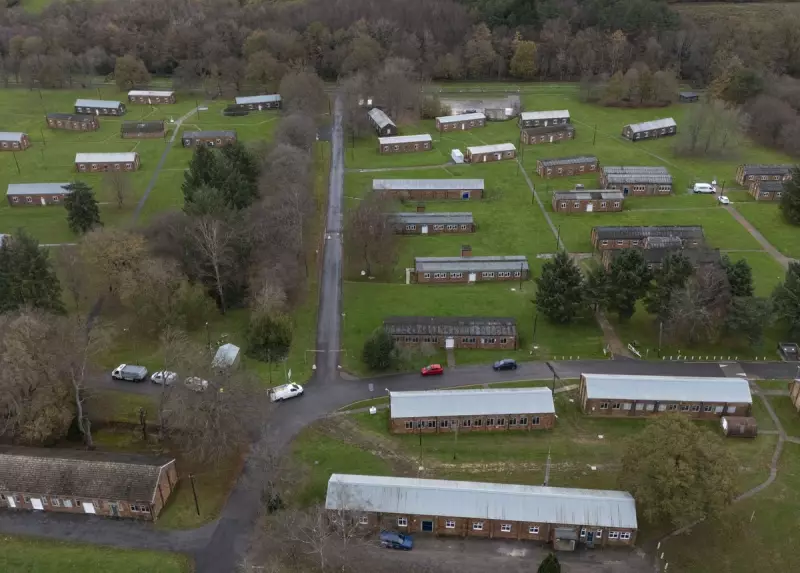
The first cohort of asylum seekers has been transferred into a decommissioned army training facility in East Sussex, marking a significant step in the Labour government's strategy to phase out the controversial use of hotels for migrant accommodation. In the early hours of Thursday morning, a total of twenty-seven individuals were quietly moved into the Crowborough military barracks, with authorities anticipating further arrivals in the coming weeks as the programme expands.
Scaling Up Accommodation at Disused Military Sites
The Home Office has outlined ambitious plans to gradually increase the number of asylum seekers housed at the Crowborough site to more than five hundred. According to official statements, individuals will reside at the barracks for a period of up to three months while their asylum claims undergo processing. Local councillors have reportedly received assurances that the facility will be utilised for this purpose for a maximum of one year, providing a temporary solution to the ongoing accommodation crisis.
Part of a Broader Strategy to Reduce Reliance on Hotels
This relocation forms a key component of the Home Office's wider policy to transition away from expensive hotel accommodations, which have become a focal point for public discontent and protest. The government has previously employed larger sites, such as the Bibby Stockholm barge and RAF Wethersfield, to house migrants, despite some locations facing legal challenges over operational failings. However, a National Audit Office assessment has indicated that dependence on these large-scale sites may ultimately prove more costly than maintaining hotel contracts, raising questions about the long-term financial implications of the strategy.

Political Reactions and Legal Challenges
Home Secretary Shabana Mahmood has declared the opening of the Crowborough camp as merely the beginning of a concerted effort to shut down asylum hotels across the nation. In a firm statement, she emphasised her commitment to restoring order and control to the UK's borders, arguing that illegal migration has placed immense pressure on local communities. Mahmood asserted that the government is actively working to remove incentives that attract illegal migrants to Britain, thereby addressing what she describes as the blight of asylum hotels on neighbourhoods.
Conversely, local opposition has been vocal, with James Partridge, the lead councillor for governance at Wealden District Council, expressing frustration over the Home Office's decision-making process. Partridge revealed that the council has immediately engaged its legal team to explore potential grounds for a legal challenge, acknowledging that such action remains a long shot but underscoring the community's determination to scrutinise the implementation of the policy.
Expansion to Additional Military Sites
In a related development, the Home Office has announced intentions to repurpose Cameron army barracks in Inverness for asylum accommodation, a site previously used to house Afghan families. This move signals the government's broader intention to leverage disused military infrastructure as part of its immigration management approach, potentially setting a precedent for future site selections.
The ongoing shift from hotel-based accommodation to military barracks reflects a significant policy pivot under the current administration, aiming to balance operational efficiency with community concerns. As the situation evolves, the effectiveness and sustainability of this strategy will likely remain under close scrutiny from both supporters and critics of the government's immigration framework.