First Asylum Seekers Arrive at East Sussex Barracks Amid Protests and Legal Challenges
Asylum Seekers Arrive at East Sussex Barracks, Protests Erupt

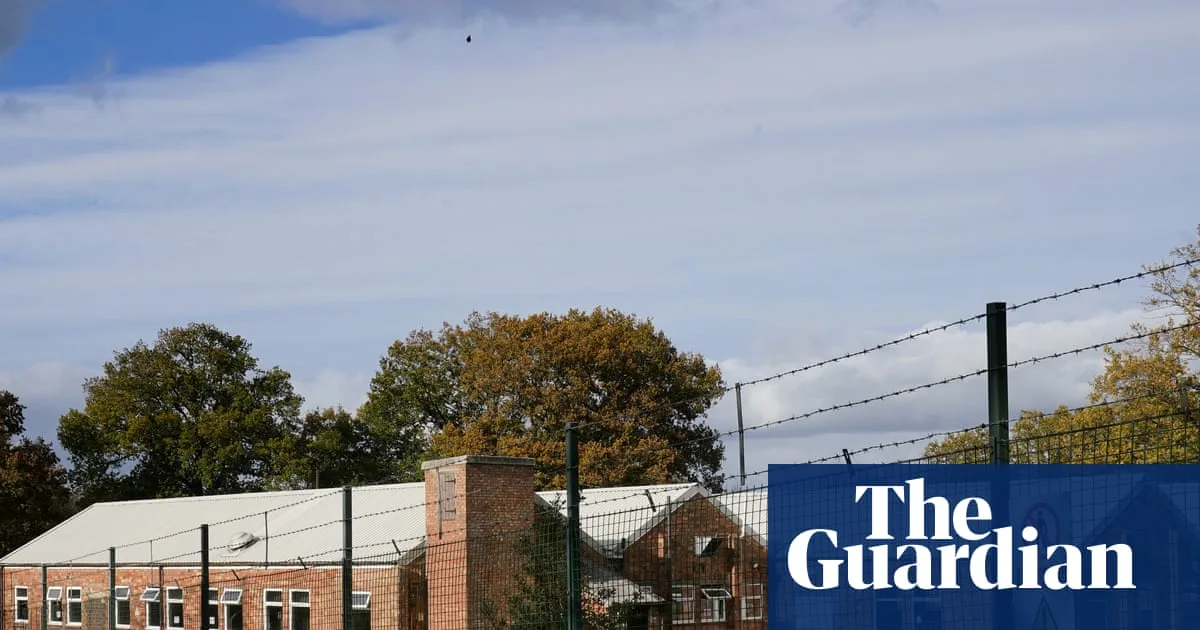
A former military training camp in Crowborough, East Sussex, has received its first intake of asylum seekers, with 27 men arriving in the early hours of Thursday morning. The Home Office has confirmed that this initial group is part of a broader plan to scale up the accommodation to house up to 500 individuals over the coming months.

Government Strategy to Move Asylum Seekers Out of Hotels

This move is a key component of the government's strategy to transition asylum claimants from hotel accommodations into larger-scale facilities. Shabana Mahmood, reflecting the home secretary's stringent stance on immigration, emphasised the need to alleviate the pressure on local communities caused by illegal migration.

"Illegal migration has been placing immense pressure on communities," Mahmood stated. "That is why we are removing the incentives that draw illegal migrants to Britain, closing asylum hotels that are blighting communities. Crowborough is just the start. I will bring forward site after site until every asylum hotel is closed and returned to local communities."

Background and Delays in Implementation

Officials had initially aimed to transfer people to the East Sussex barracks in the first week of December, but the move was postponed until January. This delay was implemented to ensure the safety of the sites and to prevent potential issues, such as the legionella outbreak that occurred on the Bibby Stockholm barge.

The new arrivals are expected to be recent entrants to the UK, typically those who have arrived via small boats crossing the Channel. Before their arrival at the base, all individuals undergo comprehensive health and police checks to maintain security protocols.

Local Opposition and Legal Challenges

The decision to house undocumented male migrants in Crowborough has sparked significant local opposition. Hundreds of residents have taken to the streets every weekend to protest the plans, expressing concerns about the impact on their community.

Protesters have raised nearly £100,000 to fund legal action, seeking a judicial review of the scheme. Wealden district council has also voiced strong objections, with council leader James Partridge stating that the minister's approval of the plan was met with disapproval.

"I told the minister we strongly feel that is the wrong decision. Despite our strong objection the minister hasn't listened to any of us," Partridge said. "We have contacted our legal team to ask them to review the decision to see if there's any way we can bring a legal challenge to it. We know this is a long shot but we have been probing the Home Office throughout the process to see if we can find a way to bring a successful legal action. We will act if our barristers advise there is a reasonable chance of success."

Accommodation and Security Measures

The Crowborough training camp is equipped with 24/7 security, including CCTV surveillance and strict sign-in processes for residents. This is part of the Home Office's efforts to ensure the safety and management of the site as it expands to accommodate more individuals.

The camp is one of two military sites identified by ministers to house a total of 900 asylum seekers, with the other located in Inverness. This initiative is part of a broader effort to address the increasing numbers of asylum seekers being temporarily housed in hotels.

Current Statistics and Financial Implications

Recent Home Office figures reveal that the number of asylum seekers in hotel accommodations rose by 13% to 36,273 by the end of September. Under the previous government, more than 400 hotels were opened at a daily cost of £9 million. Currently, just under 200 hotels remain in use, highlighting the financial and logistical pressures driving the shift to alternative accommodations like the Crowborough camp.

As the situation develops, the arrival of asylum seekers at the East Sussex barracks marks a significant step in the government's immigration policy, but it continues to face robust challenges from local communities and legal avenues.




