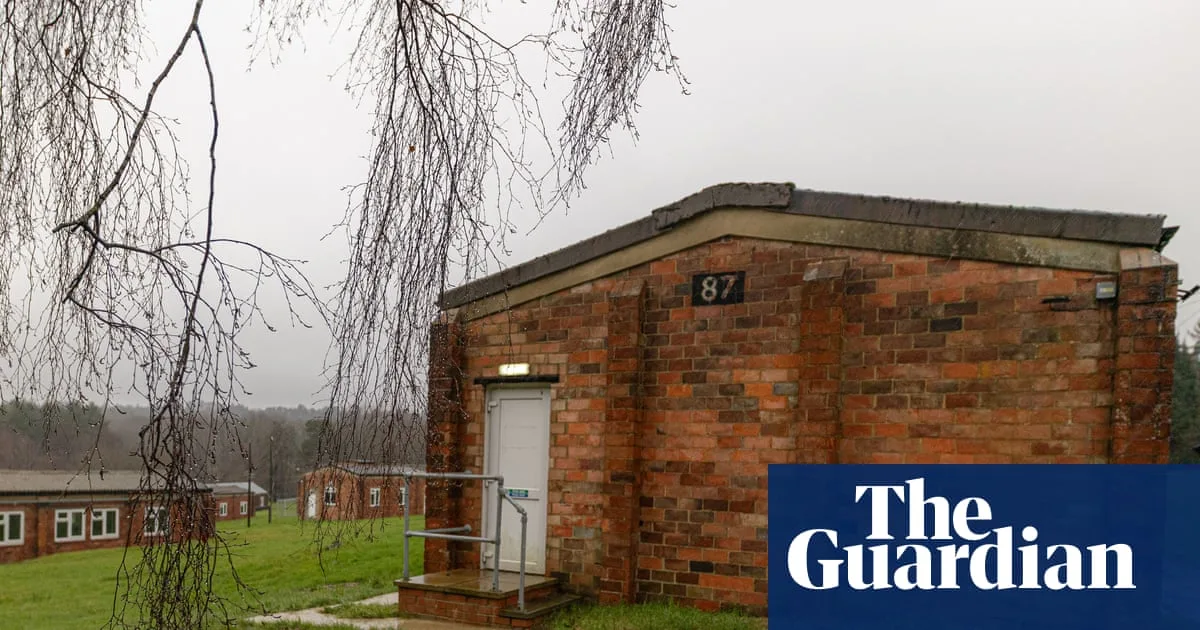
The Home Office has announced the closure of 11 asylum hotels across England, Scotland and Northern Ireland, with hundreds of asylum seekers moved to army barracks. Around 350 claimants have been relocated to Crowborough military camp in East Sussex, described as 'basic accommodation'. The move follows Prime Minister Keir Starmer's pledge to close all hotels housing asylum seekers before the next general election.
Immigration minister Alex Norris stated: 'Hotels were meant to be a short-term stopgap under the previous government, but they spiralled out of control – costing taxpayers billions and dumping the consequences on local communities. We are shutting them down by moving people into more basic accommodation, scaling up large sites, removing record numbers of people with no right to remain.' The Home Office says the latest closures will save £65 million.
However, the Refugee Council has criticised the decision. Imran Hussain, director of external affairs, said: 'The government's own spending watchdog previously found that they are more expensive than hotels, and they isolate people from local communities and essential services.' He suggested granting temporary permission to stay for people from countries like Sudan and Iran as a better alternative.
Shadow home secretary Chris Philp claimed there are more asylum seekers in hotels now than at the time of the election, accusing the government of 'shunting people from hotels into residential apartments to hide what is going on'. He argued those apartments are then unavailable for young people struggling to get on the housing ladder.
The number of hotels still used for asylum seekers stands at 185, down from a peak of 400. Approximately 30,000 people live in these hotels, while over 70,000 are in other accommodation such as shared housing or military barracks. Asylum seekers are forbidden from working for the first year while their claims are processed, leaving the Home Office obliged to house them.