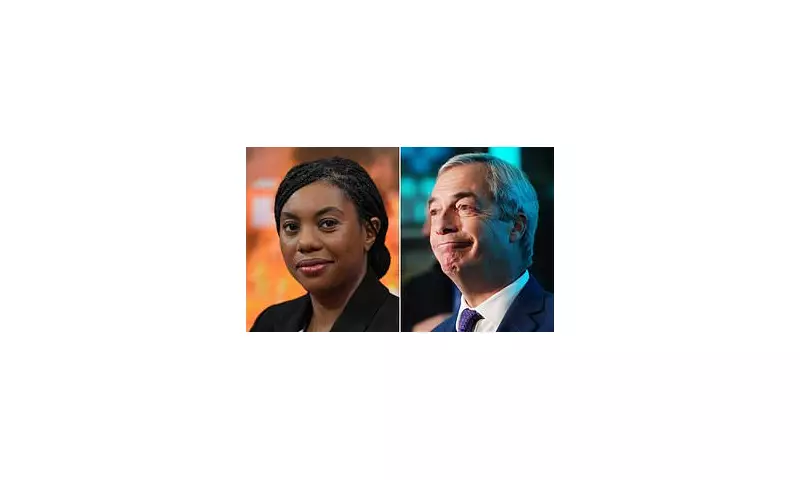
Reform UK may have reached its maximum popularity with the British electorate, according to a prominent pollster, as demands grow for parties on the right to consider unification. Support for Nigel Farage's party has moderated in recent weeks, with approximately 29 per cent of voters indicating they would back Reform in the next election—a decline from its peak of 32 per cent.
Polling Analysis Points to a Niche Market
Sir John Curtice, a leading pollster, has asserted that 32 per cent likely represents the upper limit of what Reform can achieve. He characterised the party's voter base as a very, very niche market, largely dependent on Brexit supporters, a group whose enthusiasm has waned since the referendum. With Brexit no longer as popular as it once was, Sir John estimates that 30 to 32 per cent is the ceiling for Mr Farage's support, as very few pro-European Union voters are willing to switch to Reform.
Conservative Uptick Amid Defections
Meanwhile, the Conservative Party is experiencing a slight upward trend in the polls, with around 19 per cent of voters currently pledging their support. This modest recovery comes despite a series of high-profile defections to Reform UK, including that of former immigration minister Robert Jenrick. Sir John predicts that the two parties will continue to compete fiercely for the same segment of the electorate over the next two years.

Clashing Views on a Potential Pact
Sir John Curtice has forecast that by 2027 or 2028, both parties may need to evaluate whether to form an accommodation or pact to avoid splitting the right-wing vote. However, this suggestion has been met with strong resistance from both sides.
Nigel Farage has publicly dismissed Sir John's analysis, branding him wrong on both counts regarding Reform hitting its peak and the necessity of a pact. Mr Farage stated there would be no deal with dishonest people that don't deserve our trust and maintained that Reform is still gaining solid support.
On the Conservative side, Business Secretary Kemi Badenoch has emphatically ruled out any alliance. A spokesman for the Leader of the Opposition clarified, Kemi has been very clear there will never be a pact under her leadership. The Conservative Party criticises Reform as a one-man-band with no vision for Britain, advocating instead for a return to core Tory principles.
Internal and External Calls for Unity
The debate over right-wing unity has been amplified by voices within and outside the Conservative Party. Former MP Sir Jacob Rees-Mogg argued in the Daily Mail that a combined Reform and Tory vote could exceed 40 per cent, potentially securing a thumping majority against a fragmented left. He urged that duty must override personal ambition, identifying this as the primary obstacle to unification.
An anonymous Conservative MP echoed this sentiment, describing the Conservatives and Reform as part of the same family and emphasising that country must come before party. However, they noted that recent defections, like Mr Jenrick's, make reconciliation more challenging.
Adding to the discourse, former Chancellor George Osborne warned at the Davos economic forum that the two parties risk cannibalising each other's vote, which could prevent either from winning the next general election. This highlights the strategic dilemma facing the right as it navigates internal divisions and electoral calculations.