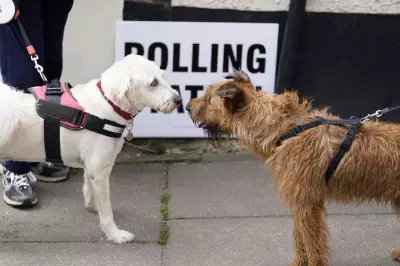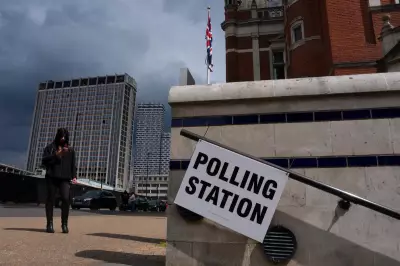
Reform UK has initiated a significant legal challenge against the Government's controversial plans to permit local councils to cancel elections scheduled for this May. The party, led by Nigel Farage, is taking decisive action to what it describes as 'defend democracy' after numerous councils requested postponements for contests originally due on 7 May.
Legal Battle Over Election Postponements
Ministers announced last month that a total of 63 councils across England are being granted the option to delay their elections until 2027. This move is part of a broader initiative to overhaul local government structures. The Labour government aims to abolish the existing two-tier system of county and district councils, replacing them with new unitary authorities expected to be operational by 2028.
However, opposition parties have strongly criticised this decision, accusing Labour of 'running scared' of voters. They argue that the postponement is strategically timed to avoid expected poor performances in the May local elections. Reform UK is now spearheading the legal opposition by taking action against the Ministry of Housing, Communities and Local Government (MHCLG) over these delays.

High Court Proceedings and Timelines
During a hearing at the High Court on Tuesday, Reform UK's legal team indicated that they would not seek an immediate temporary block on the plans if a date for a full hearing could be arranged promptly. Consequently, a two-day hearing for the legal challenge is now scheduled to commence on February 19.
Mr Justice Chamberlain has set a deadline of January 30 for any council or party wishing to join the case as an interested party to submit their applications. This procedural step ensures all relevant stakeholders have an opportunity to participate in the judicial review.
Statements from Key Figures
Zia Yusuf, Reform UK's head of policy, expressed satisfaction with the progress, stating, 'Step one of our judicial review against the illegal cancellation of elections is complete.' He emphasised the party's commitment to defending democratic principles through this legal avenue.
In response, Julian Blake, representing the MHCLG, defended the government's position in written submissions. He argued, 'The powers that are the subject of the claim are properly a product of primary legislation. They have been used on many occasions, including for example, to allow for postponement of local elections in areas contemplating and undergoing local government reorganisation.'
Timothy Straker KC, representing Reform UK, highlighted concerns about the electoral process. He noted that if elections are cancelled, the scrutiny of potential candidates and the opportunity for other political parties to assess associations are undermined. He explained, 'If the stock of those being considered is undermined because the Secretary of State has said he will cancel elections statutorily due on May 7, then the scrutiny process is undermined.'
Political Implications and Voter Impact
Reports indicate that just under half of eligible councils in England have requested to postpone their May elections, a decision that could affect millions of voters nationwide. Reform UK has pointed to polling data suggesting they would have secured victories in 20 councils where elections are now set to be cancelled. Conversely, Labour is projected to lose half of the seats it was due to defend in May.
Prime Minister Sir Keir Starmer has publicly defended the government's plans, describing the prospect of postponements as 'a common-sense question' of whether to proceed with elections in areas where local authorities are undergoing significant structural changes.
A Reform UK spokesman reiterated the party's stance, saying, 'We said we would fight Labour every step of the way on this and we are doing so. Labour are disgracefully trying to deny democracy. We are determined to win this case next month.' This legal battle underscores deep-seated tensions over electoral integrity and local governance reforms in the UK.