Reform UK has submitted a formal complaint to the BBC following revelations that a vocal audience member during a televised by-election debate was, in fact, a candidate for Plaid Cymru. The incident has sparked a major row over impartiality in the run-up to the crucial vote in Caerphilly.
The Viral Debate Exchange
The controversy stems from a BBC Wales 'Your Voice, Your Vote' debate, held ahead of the by-election triggered by the sudden death of Labour Senedd Member Hefin David last year. During the programme, which featured six candidates, a woman in the audience confronted Reform candidate Llyr Powell on immigration.
She stated she had "never felt so unwelcome in my own home town" and directly told Mr Powell, "I blame you for that." The party claims this powerful interaction went viral and dominated discussion for the remainder of the campaign.

A Candidate in the Crowd
The situation escalated when it was subsequently revealed that the audience member, Alison Vyas, had been announced as a Plaid Cymru community council candidate in Caerphilly. A Facebook post promoting her candidacy described her as a "proud Valleys woman."
This discovery prompted fury from Reform UK, which had pledged to "throw everything" at winning the seat, a constituency held by Labour since the Senedd's establishment in 1999. Plaid Cymru's Lindsay Whittle ultimately won the by-election on 07 January 2026 with 15,961 votes, securing over 47% of the total.
Farage's Scathing Critique
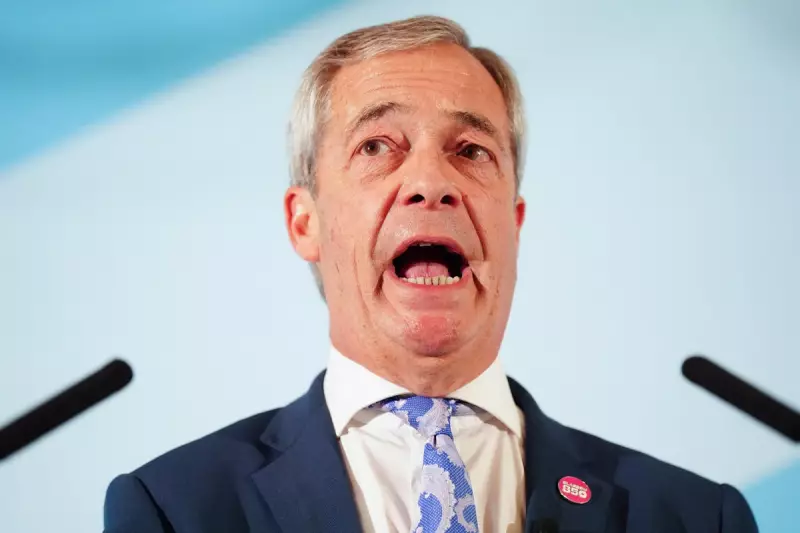
Reform UK leader Nigel Farage launched a fierce attack on the BBC's credibility in light of the revelation. "Trust in the BBC has been shaken by scandals in recent years, from Huw Edwards to the selective editing of a clip of President Trump," Mr Farage said.
He added, "Now, this revelation will be the final straw for many people in Wales. How can there be any confidence that Reform will get a fair and balanced hearing when this is the kind of thing that happens at key election debates?"
The BBC's Response
In response to the complaint, a BBC spokesperson defended the editorial process, stating: "As with all BBC election debates, the audience was selected through an established and impartial vetting process designed to ensure a fair representation of political views. All participants were selected in line with our standard editorial guidelines."
The row highlights ongoing tensions between broadcasters and political parties over perceived bias, particularly in the heated context of a by-election campaign where every public moment is scrutinised.