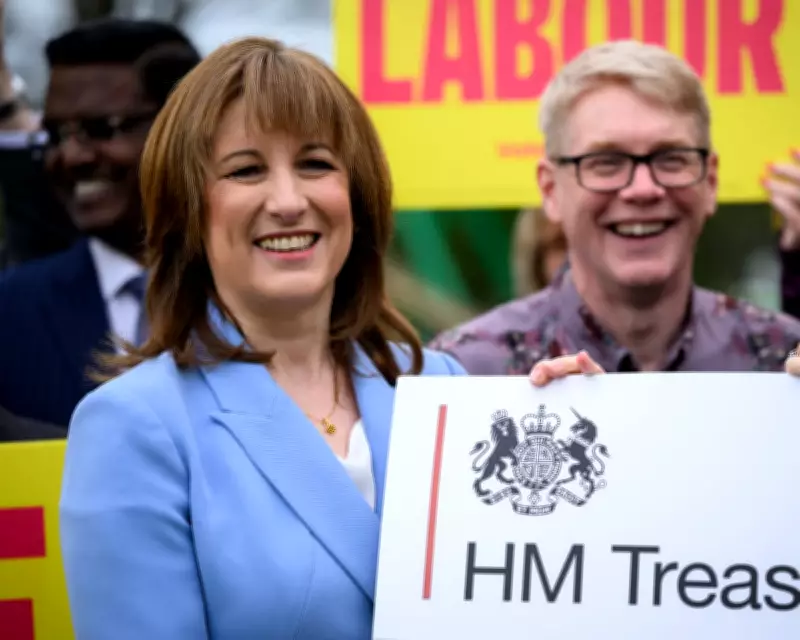
Chancellor Rachel Reeves has underscored Labour's commitment to assisting working individuals during a rally with supporters in Swindon, just ahead of the local elections scheduled for 31 March 2026. In her address, she emphasized the government's recent initiatives aimed at bolstering economic security for workers, pensioners, and children.
Strengthening Workers' Rights and Economic Measures
Prime Minister Keir Starmer has articulated a robust defense of Labour's policies, asserting that the party is genuinely advocating for working people despite opposition from critics. He pointed to the implementation of day-one rights to statutory sick pay and paternity leave, which commence on Monday, as a significant milestone. This move, according to Starmer, aligns with a broader pattern of prioritizing the needs of ordinary citizens over vested interests.
Historical Context and Current Initiatives
Reflecting on Labour's legacy, Starmer recalled the introduction of the minimum wage 27 years ago, which faced resistance from establishment voices but ultimately proved transformative. Today, his government is enacting what he describes as the most substantial enhancement of workers' rights in decades. These changes ensure that no employee must sacrifice health or family time due to financial insecurity.

In addition to workers' rights, Labour has increased the state pension, providing additional income for retirees, and abolished the two-child benefit cap. This latter action is projected to lift nearly half a million children out of poverty, offering them a fairer start in life. Starmer highlighted this as a pivotal achievement, underscoring the government's resolve to act decisively in favor of vulnerable populations.
Addressing Economic Challenges and Future Directions
Starmer acknowledged ongoing economic pressures, such as the high cost of living and global uncertainties, which impact household budgets. Drawing from his working-class upbringing in the 1970s, he shared personal anecdotes of financial strain, reinforcing his understanding of these issues. He argued that Labour's economic strategy, focused on stability and support, positions the UK better to withstand future shocks compared to previous administrations.
The prime minister warned that voting for rival parties, including the Greens, could jeopardize these advancements, either through regressive policies or impractical governance approaches. He affirmed Labour's dedication to continuing its pro-worker agenda, emphasizing that the party's choices define its commitment to building a stronger Britain for all citizens.