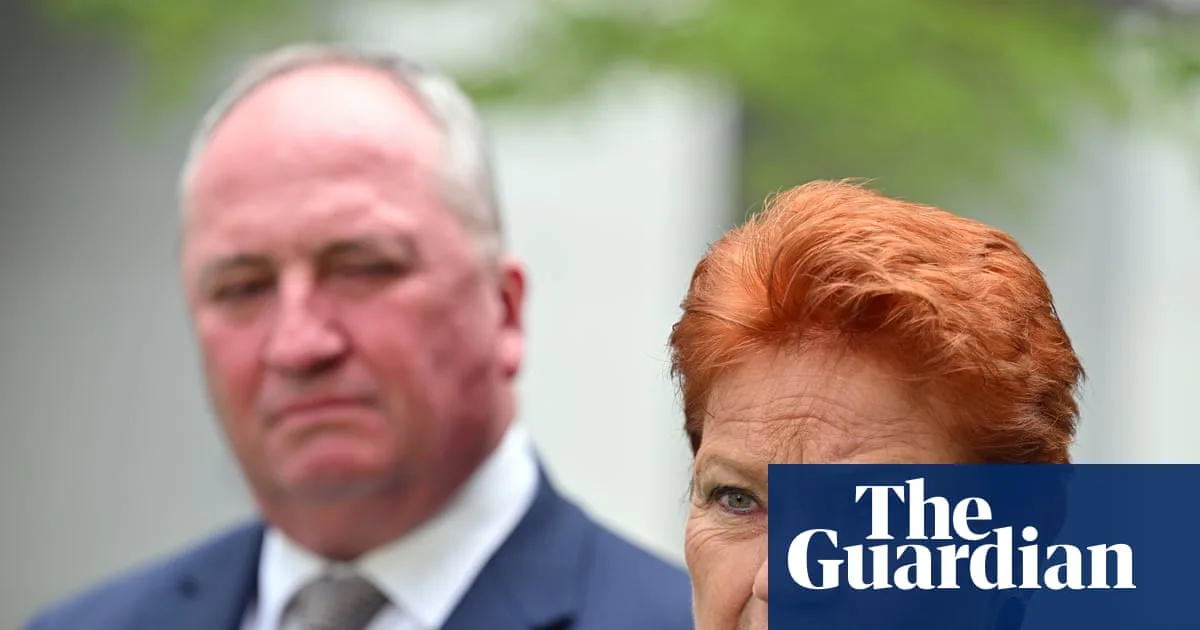
One Nation Achieves Record Polling High as Coalition Faces Internal Crisis
The latest Guardian Essential poll has delivered striking results, with Pauline Hanson's One Nation party surging to a record-high primary vote of 22%. This represents a significant five-point increase from the 17% recorded in December's poll, indicating a substantial shift in the Australian political landscape. The poll, which surveyed 1,022 Australians between Tuesday and Friday last week, was conducted during a period of intense political upheaval within the Coalition and following the passage of Labor's antisemitism and gun reforms through parliament.
Coalition Chaos Fuels One Nation's Rise
One Nation's remarkable polling surge appears directly linked to the ongoing turmoil within the Liberal-National Coalition. The party's rising numbers, particularly in regional and rural Coalition seats, have contributed to growing unrest and alarm inside the opposition. This environment has been exacerbated by the Nationals' decision to split from the Liberals and ongoing leadership jostling involving figures such as Andrew Hastie and Angus Taylor.
Adding to the Coalition's challenges, Pauline Hanson last month successfully recruited Nationals turncoat Barnaby Joyce to her party. There are now expectations among some Coalition sources that further Nationals members could potentially switch allegiance to One Nation, further destabilising the traditional conservative bloc.
Major Party Leaders Face Declining Popularity
While One Nation enjoys unprecedented support, both major party leaders are confronting declining personal approval ratings. Prime Minister Anthony Albanese's approval rating has fallen to 39% with 53% disapproval, a notable drop from December's 43-45 respectively. Opposition Leader Sussan Ley faces even greater challenges, with her approval rating dropping to 30% and disapproval rising to 47%, down from December's 34-43 respectively.
Ley and her allies are currently staring down a campaign from the Liberal right faction to end her leadership, with speculation about a potential leadership spill as early as next week. This internal pressure comes despite her planned announcement of a Liberal-only frontbench.
Public Backs Labor's Response to Bondi Attack
Despite Albanese's personal approval decline, Australians have expressed strong support for the Labor government's legislative response to the Bondi beach terror attack. The poll reveals widespread public backing for several key measures:
- 73% support banning public display of terrorist symbols
- 63% approve of stronger gun laws
- 62% back more police powers to curb protests
- 60% support new laws on hate speech
- 56% favour a commonwealth royal commission into antisemitism
However, when asked specifically about how Albanese handled issues arising from the Bondi terror attack, only 36% approved of his handling while 55% disapproved, with just 10% saying he handled it "very well" and 26% saying "reasonably well".
Broader Social Cohesion Concerns Emerge
The poll also examined broader social cohesion issues, revealing significant concerns among Australians about racial tensions and freedom of expression:
- 70% believe there is tension between people of different races and nationalities in Australia
- 69% believe people are scared to say what they believe for fear of being labelled racist
- Only 38% believe Australia is less racist than it had been in the past
- 35% said a member of their family had experienced racism
- 33% said they had personally experienced racism
These figures represent concerning trends, with the percentage of people believing Australia is less racist than in the past dropping four points since September 2025, while reports of personal and family experiences with racism have both increased by five points.
Other Party Support Levels
The Guardian Essential poll recorded Labor's primary vote at 31%, representing a three-point drop from last month's 34% and the 34.6% it recorded at the May election. The Liberal-National Coalition primary vote stood at 25%, while the Greens polled 9%. One Nation's 22% result has been corroborated by other recent polls, with Demos recording 24% for Hanson's party this week and last week's Newspoll also showing 22%.
The political landscape appears increasingly fragmented, with One Nation's surge creating a significant third force in Australian politics while both major parties face challenges with leadership approval and maintaining their traditional voter bases. The coming weeks will be crucial as the Coalition addresses its internal divisions and all parties respond to these shifting political dynamics.




