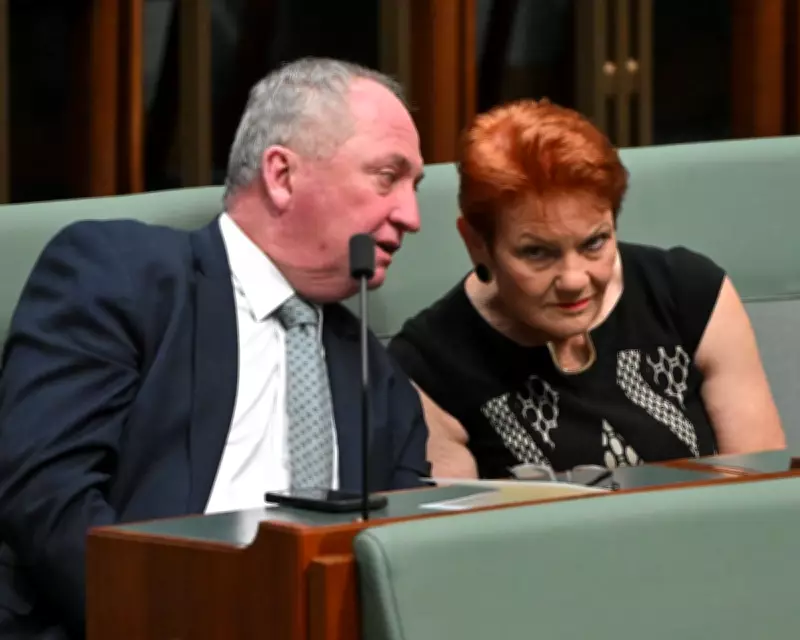
In a significant political development, Pauline Hanson's One Nation party has announced a formal alliance with the Liberal and National parties, marking a pivotal shift in Australia's conservative landscape. This move is expected to influence policy directions and electoral strategies across the nation.
Details of the Alliance Agreement
The alliance, confirmed through a joint statement, involves cooperation on key legislative issues, shared campaign resources, and a commitment to avoid competing against each other in select electoral districts. Sources indicate that the agreement aims to consolidate right-leaning votes and present a united front against progressive opponents.
Political Reactions and Implications
Reactions to the alliance have been mixed, with supporters praising it as a strategic move to strengthen conservative governance, while critics express concerns over potential policy compromises and the influence of One Nation's more controversial stances. Analysts suggest this could reshape coalition dynamics in upcoming elections, particularly in marginal seats.

The alliance is seen as a response to shifting voter sentiments and the growing fragmentation of Australia's political right. It underscores efforts by major parties to adapt to changing demographics and political pressures, with potential impacts on issues such as immigration, economic policy, and social welfare.
Historical Context and Future Outlook
This is not the first time One Nation has engaged in political partnerships, but the scale and formality of this alliance are unprecedented. Observers note that it reflects Pauline Hanson's enduring influence and the party's evolution from a fringe movement to a key player in conservative politics.
Looking ahead, the success of this alliance will depend on internal cohesion and public reception. It may set a precedent for future collaborations among Australia's political factions, potentially altering the traditional two-party system and introducing new dynamics into national governance.