A comprehensive new national survey has revealed a striking lack of consensus in American politics, finding that no prominent figure with potential presidential ambitions for 2028 currently enjoys a favorability rating above 50 percent.
Vance Leads Field Despite Polarising Figures
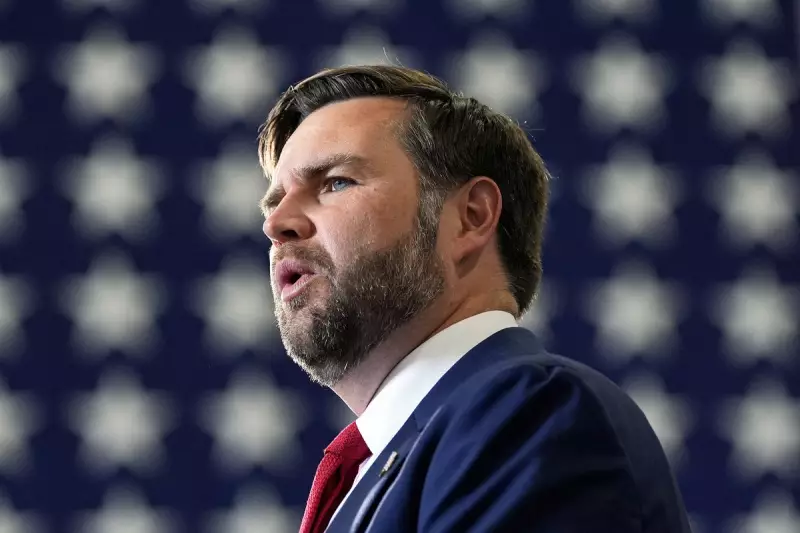
The Emerson College Polling study, conducted this month, placed Vice President JD Vance at the top of the rankings with a 46 percent favorability rating. However, this positive assessment was tempered by the finding that 41 percent of respondents viewed him unfavorably, with a further 13 percent remaining undecided about the MAGA movement's apparent heir apparent.
Surprise Second Place for Political Outsider
In a remarkable development that underscores the unconventional nature of contemporary American politics, South African-born tech billionaire Elon Musk secured second position with a 40 percent favorability rating. The entrepreneur, who has never held elected office, nevertheless faced significant scepticism, with 46 percent of those surveyed expressing unfavorable views of his theoretical candidacy and just 14 percent uncertain.

Established Politicians Trail Behind
Republican House Speaker Mike Johnson achieved a 35 percent favorability rating in the poll, though 28 percent of respondents admitted they were either unsure about him or had never heard of him, while 38 percent actively disliked the congressional leader.
The Democratic governors of two crucial states followed closely, with Pennsylvania's Josh Shapiro and California's Gavin Newsom both registering 33 percent favorability. The survey revealed interesting contrasts between the two executives: while 44 percent viewed Newsom unfavorably compared to 27 percent for Shapiro, the Pennsylvania governor suffered from significantly lower name recognition, with 40 percent unsure about him versus just 24 percent for his Californian counterpart.
Progressive Figures and Controversial Conservatives
Two progressive Democrats featured in the next tier of results, with New York Representative Alexandria Ocasio-Cortez achieving 32 percent favorability against 44 percent unfavorable and 24 percent unsure. New York City's recently inaugurated mayor Zohran Mamdani registered 26 percent favorability, with 42 percent unfavorable and a substantial 32 percent unsure – perhaps reflecting his very recent assumption of office.
The only other conservative to feature in the top eight was former Georgia congresswoman Marjorie Taylor Greene, who retired earlier this month following a public falling out with Donald Trump. Greene's 17 percent favorability was dramatically overshadowed by the 50 percent of respondents who viewed her unfavorably, with another third remaining uncertain about the controversial figure.
Notable Absences and Presidential Assessment
Significantly, neither Vice President Kamala Harris nor her 2024 running mate, Minnesota Governor Tim Walz, featured in the rankings of potential 2028 contenders.
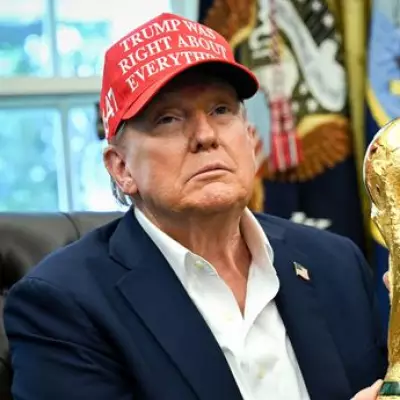
The same Emerson College survey also assessed the current presidential administration, finding that Donald Trump's job approval rating stands at 41 percent, with 50 percent disapproval. These figures represent a reversal from January 2025, when the president first returned to the Oval Office.
Report Card Reveals Policy Strengths and Weaknesses
In an innovative approach, researchers asked respondents to assign school-style letter grades (A through F) to the president's performance on key policy areas. Immigration emerged as Trump's strongest subject, with 37 percent awarding him an A grade, though 36 percent gave him an F on the same issue.
The economy proved more divisive, with 22 percent granting an A but 36 percent assigning an F. On affordability concerns, 17 percent offered top marks while 38 percent gave failing grades. Healthcare represented the administration's most challenging area, with just 14 percent awarding an A and 38 percent again consigning the president to the lowest possible grade.
The poll results collectively paint a picture of an American political landscape where no single figure commands majority support, suggesting that the road to the 2028 presidential election may be particularly unpredictable and contentious.