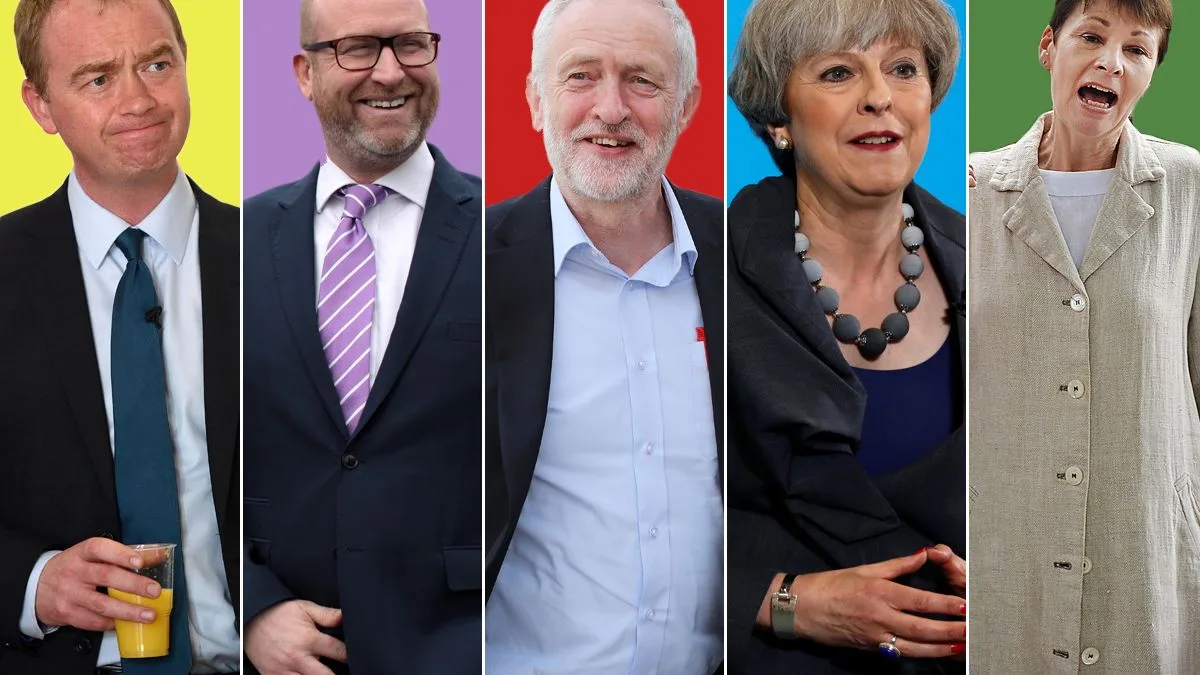
As the nation prepares for a pivotal moment in local democracy, voters across England are seeking clarity on which political party best represents their interests. With over 5,000 council seats contested in 136 local authorities on 7 May, including major cities and the entirety of London, these elections serve as a critical barometer for public sentiment.
A Comprehensive Guide to the 2026 Local Elections
This electoral event marks the most significant set of local contests in England for three years, encompassing urban authorities, rural districts, and county councils. Beyond selecting local councillors and mayors, these ballots offer voters an opportunity to voice opinions on community-centric matters such as housing availability, local service provision, public transport networks, and educational facilities.
National Issues Influencing Local Ballots
While local concerns dominate, these elections frequently reflect broader national attitudes. This year, voters are likely to consider pressing issues including the ongoing cost of living crisis, economic stability, immigration policies, and international conflicts in regions like Iran and Ukraine. The outcomes may signal public confidence in party leadership and governmental performance.
Political Landscape and Projections
Current polling data from YouGov indicates Reform leads with 24% support as of 7 April, followed by Conservatives at 19% and Labour at 16%. Labour anticipates substantial losses, with projections suggesting potential forfeiture of approximately 2,000 seats if recent by-election trends persist. Since May 2025, Labour's vote share in local by-elections has declined by an average of 25%.
Key figures including Reform's Nigel Farage, Liberal Democrat leader Sir Ed Davey, and Green Party co-leader Zack Polanski are poised to capitalize on potential shifts, aiming to gain ground at the expense of traditional major parties.
Essential Voting Information
Polling stations will close at 10pm on 7 May, with only about one-third of councils scheduled to count and declare results overnight. Most authorities will commence vote counting on Friday 8 May, announcing full results by early afternoon. A limited number of councils may extend counting until Saturday 9 May.
Critical deadlines for voters include registration by 11.59pm on Monday 20 April and postal vote applications by 5pm on Tuesday 21 April. These elections represent a crucial test for all political entities, with outcomes potentially triggering leadership challenges and reshaping local governance across England.






