

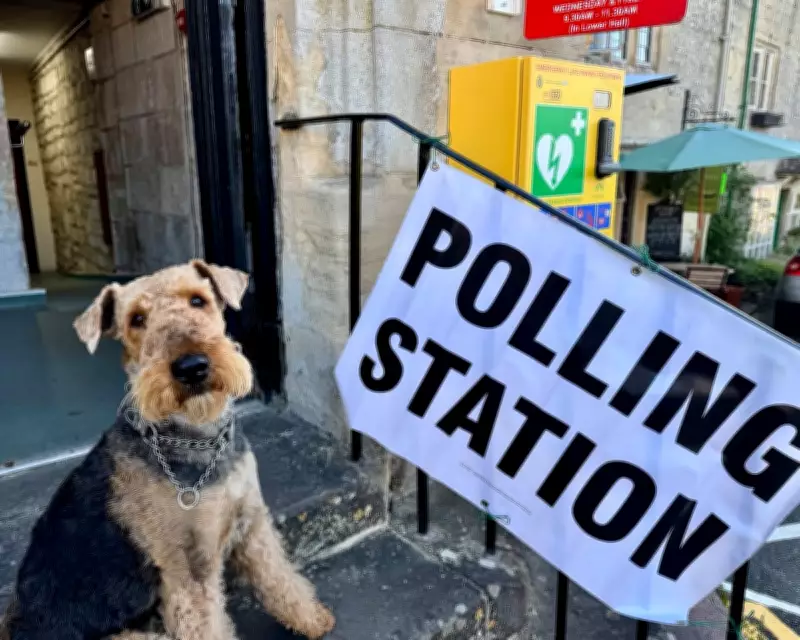
Labour's Election Delay U-Turn Sparks Chaos for Councils
Ministers have abruptly abandoned proposals to postpone local elections in 30 English councils, following a legal challenge that threatened to overturn the decision. The reversal, announced by housing minister Matthew Pennycook, has forced local authorities into a frantic scramble to rebook polling station venues and recruit volunteer returning officers at short notice.
Legal Pressure Forces Government Retreat
The government's initial plan to delay the elections was based on a reorganisation aimed at ending two-tier authorities, where district councils operate alongside county ones. Housing secretary Steve Reed argued that voters would not want to participate in elections for short-lived zombie councils slated for abolition. However, officials revealed that Reed was warned beforehand that the move was likely to face a court challenge.
Despite this, the legal advice did not explicitly state the government would lose until Reform UK leader Nigel Farage launched a judicial review. As the process unfolded, lawyers became more explicit about the likelihood of defeat, prompting the U-turn. This decision differed from last year's delays under Angela Rayner, which affected only nine councils and did not involve postponing elections for a second time, as was the case for five authorities this year.

Decision-Making Process Under Scrutiny
The chain of events has raised significant questions about government decision-making. Reed recused himself from the final decision, which was delegated to Pennycook—a move described by insiders as very rare. Government sources explained that when departmental lawyers recommend reversing a decision due to legal risks, it is normal for a different minister in the same department to handle the reversal. This precedent was set in 2021 when a housing development approval under Robert Jenrick was overturned by Eddie Hughes.
Critics suggest Reed's earlier article in the Times, where he argued against elections for zombie councils, could have been used as evidence that he had pre-determined the outcome. Downing Street officials confirmed that Prime Minister Keir Starmer was not involved in either the postponements or the reversal, though No 10 was closely involved in last year's delays announced by Rayner.
Councils Face Costly and Time-Pressured Elections
Local government officials are now exasperated, with only 12 weeks' notice to organise the elections. Richard Wright, chair of the District Councils' Network, warned that affected councils face an unnecessary race against time to ensure smooth and fair elections. Polling station bookings that were cancelled must be rebooked, and electoral staff need to be secured quickly.
Most experts believe it is still possible to hold the elections on time, as authorities had been planning for them before Reed announced the delays three and a half weeks ago. However, the process is likely to be more expensive, prompting Reed to allocate an additional £63 million to affected councils alongside the U-turn announcement. This funding aims to mitigate the financial strain of last-minute preparations, but the logistical challenges remain a significant concern for local administrators.






