

Labor's Election Review Exposes Coalition's Campaign Failures
An internal Labor party review of last year's federal election has identified several critical factors that contributed to the Coalition's defeat, pointing specifically to Peter Dutton's leadership style and controversial policy proposals. The comprehensive analysis, released amid internal turmoil within the opposition ranks, provides detailed insights into why Anthony Albanese's Labor party secured a decisive victory at the polls.
Dutton's 'Negative and Aggressive' Approach Repelled Voters
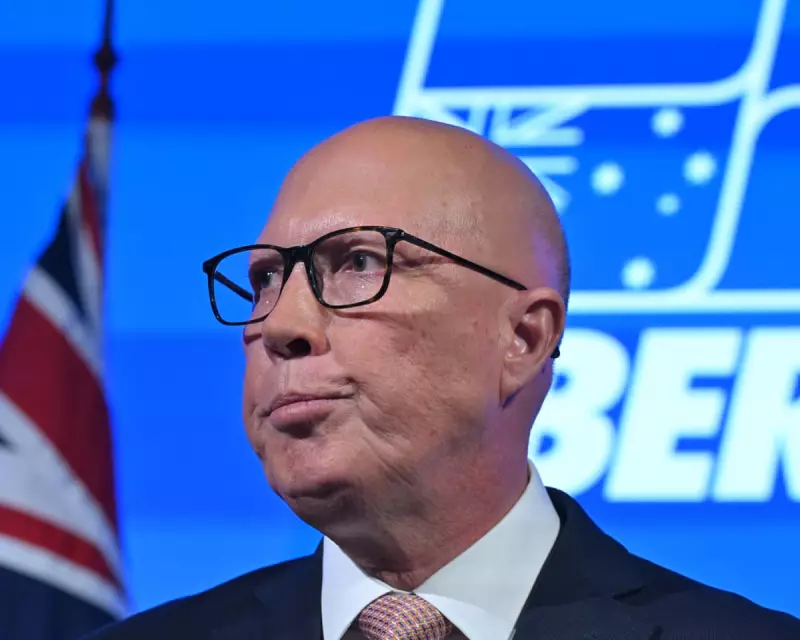
The review found that Peter Dutton's campaign strategy, which mirrored what it described as a "Tony Abbott-style political playbook," proved deeply unpopular with the Australian electorate. According to the document, Dutton presented himself with a "negative, arrogant and aggressive" demeanour that created a significant barrier to gaining voter support. This approach contrasted sharply with Anthony Albanese's positive messaging and policies specifically designed to improve citizens' daily lives, which resonated strongly across the country.
The analysis noted that Dutton's efforts to frame the election as a referendum on Albanese's first term ultimately failed because Labor successfully shifted the debate to become a choice between the two leaders themselves. The review stated clearly: "Peter Dutton's campaign was marked by inconsistency and missteps, including policy backflips, poorly coordinated announcements, and a lack of message discipline." This lack of strategic coherence undermined the Coalition's ability to present a compelling alternative government.

Controversial Policy Proposals That Backfired
Among the specific policy proposals that alienated voters, the review highlighted two particularly damaging initiatives. First, the Coalition's plan for government-owned nuclear power stations generated significant concern and opposition. Second, proposed restrictive work-from-home rules for public servants proved unpopular with both the affected workers and broader segments of the population who valued workplace flexibility.
These policies, according to the review, were poorly designed and badly explained to the electorate, creating confusion and apprehension rather than generating support. The document suggests that these proposals contributed to a broader perception that the Coalition had lost touch with contemporary Australian values and priorities.
Labor's Historic Victory and Future Challenges
The review confirmed that Anthony Albanese defied expectations at the 3 May 2025 poll, winning 94 seats – Labor's biggest majority in the lower house since federation. The party not only held all its existing seats but also defeated high-profile Greens MPs and remarkably ousted Peter Dutton in his own seat of Dickson.
Despite this historic success, the review contained important warnings for Labor's future. It emphasised the need for the party to modernise its operations, rebuild its grassroots membership base, and work more diligently to counter potential challenges from independents. The document described Australia's increasingly complex political landscape as looking "more and more like 150 by-elections with unique local dynamics," highlighting the importance of continuous community engagement.
Strategic Recommendations for Labor's Future
The review made several specific recommendations for Labor's ongoing success:
- Strengthen efforts to demonstrate the importance of voting Labor candidates into the Senate to create better pathways for lasting legislative reforms
- Maintain consistent and visible local campaigning to protect against well-resourced challengers, including teal independents
- Address emerging risks including artificial intelligence and targeted disinformation in future campaigns
- Focus on delivering tangible improvements to people's lives during Labor's second term
The document praised effective local campaign measures that proved crucial in fighting off challengers, noting that "without a sustained local campaign and visible delivery, any seat – including those considered safe – can become vulnerable."

Broader Political Context and Coalition Response
The Labor review's findings align with those of the respected Australian Electoral Study, conducted by the Australian National University and Griffith University, which identified a collapse in support for the Coalition's economic policies. That independent study found Dutton's decision to oppose tax cuts contributed to the Liberals squandering a nearly 40-year advantage on economic management.
Meanwhile, the Liberal party's own post-election review has been delayed amid legal threats and concerns that its findings could potentially defame Dutton and members of his campaign team. Liberal sources confirmed that lawyers had been engaged regarding the report prepared by party elders Nick Minchin and Pru Goward, with the ABC reporting that Dutton had not been given adequate opportunity to respond to key findings before potential publication.
Responding to the Labor review, the party's national president, former treasurer Wayne Swan, emphasised the need for ongoing modernisation and growth. "Labor's grassroots strength remains a cornerstone of our electoral success. We must take this historic opportunity to build a stronger and larger membership base," he stated, adding that Labor's second term must focus on delivering tangible improvements while maintaining consistent community engagement.





