
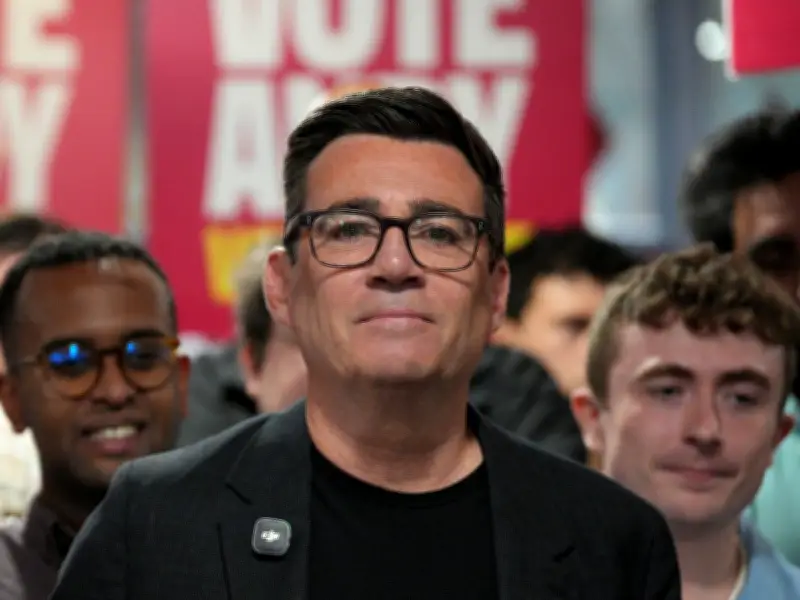
Sir Keir Starmer has resigned as Prime Minister and set out his timetable for departure, triggering the process to elect a new Labour leader. The announcement came this morning (June 22) after a momentous four days in British political history, including elections and resignations. Since Brexit, the UK has had six prime ministers in ten years and is about to choose its seventh.
Starmer's Resignation Statement
In a statement to supporters, Starmer said: "The question my party is asking now is whether I am best placed to lead us into the next general election. I have heard the answer of my parliamentary party to that question, and I accept that answer with good grace. Every decision I’ve taken has been about putting the country I love first. That is why I will resign as leader of the Labour party." He added that he had spoken to His Majesty the King to inform him of his decision.
Starmer confirmed he will ask the national executive committee (NEC) of the Labour party to set out a timetable, with nominations opening on July 9 and completed by the summer recess. "In the case of a contest, this will ensure a new leader is in place before parliament returns in September. I will remain in post as prime minister until the contest is complete, and I will do everything I can to ensure an orderly handover of power," he said.
Andy Burnham's Expected Bid
Andy Burnham, who was recently confirmed as the newly elected MP for Makerfield, returning to frontline national politics for the first time since 2017, is widely expected to bid for the Labour leadership. His plans have been accelerated by Starmer's resignation, according to sources.
If Starmer's resignation leads to a full leadership contest, Burnham needs to be nominated by at least 20% of the parliamentary party—meaning the backing of 81 MPs—as well as by at least 5% of all local branches, or at least three party-affiliated groups, at least two of which must be unions. Once the NEC sets out a timetable, Burnham would need to win a vote among Labour members, which polling suggests he would do.
Timetable and Potential Scenarios
The process could take several weeks or months, but the party hopes it will be concluded before September's Labour conference in Liverpool. However, if there are no challengers, Burnham could be prime minister by July 17, according to the Guardian, depending on the NEC opening nominations on July 9. That process will be finalised by the summer recess, expected to be July 16. According to those same reports, two members of the NEC confirmed Burnham can be prime minister by the following day (July 17), though it could be the following Monday when parliament is in recess.
The election of a new Labour leader marks another seismic shift in the political landscape, as the UK prepares for its seventh prime minister in a decade.




