Democrats Find Winning Formula Across Political Spectrum
In a remarkable display of political versatility, Democratic candidates from across the party's ideological spectrum secured significant victories in Tuesday's elections. From Virginia's purple districts to New Jersey's light-blue territories and New York's progressive strongholds, the party demonstrated it could win everywhere when it gets the formula right.
The Common Thread: Economic Focus and Pragmatism
The successful campaigns shared two crucial characteristics that propelled them to victory. All three winning candidates - Abigail Spanberger, Mikie Sherrill and Zohran Mamdani - made economic issues the cornerstone of their campaigns. While Mamdani had long been praised for his focus on affordability, even centrist candidates like Sherrill adopted surprisingly populist economic messaging that sometimes echoed Bernie Sanders.
Equally important was their ability to distance themselves from unpopular progressive positions on crime and the more extreme elements of social justice movements. This strategic moderation allowed them to broaden their appeal beyond traditional Democratic bases, suggesting that commonsense populism could serve as the party's path back to national power.
Structural Challenges and the Mamdani Phenomenon
Despite these successes, the party faces enduring structural problems. All three victorious candidates come from wealthy backgrounds, creating potential credibility issues with working-class voters who have increasingly turned away from Democrats. Sherrill faced criticism about millions earned during her Congressional tenure, while Mamdani is the son of elite parents, including a world-famous millionaire filmmaker.
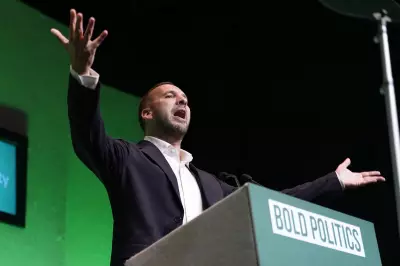
Yet Mamdani emerged as the night's standout success story. As the only true outsider candidate facing long odds and significant opposition funding, he offered something many Democrats lack: an inspirational vision. Unlike establishment Democrats who rely on polling-driven 'popularism' - essentially asking voters what they want and conforming to survey results - Mamdani presented a coherent theory of society and a political program flowing naturally from that foundation.
This approach highlights a crucial lesson for national Democrats: voters want leaders with conviction and vision, not just policy technicians. The ability to articulate how society should look and why particular policies matter provides a more compelling political vision than carefully poll-tested positions.
The Progressive Populism Dilemma
The political irony facing candidates like Mamdani is stark. Those with the boldest visions for economic transformation and the courage to challenge establishment politics tend to win in places where they have the least leverage - wealthy, progressive global cities. This creates significant limitations for implementing their programs.
Municipal government, even in financial capitals like New York, lacks the capacity to drive substantial economic change. While Mamdani's policies were realistically scoped and budgetarily feasible for New York's wealthy treasury, the real constraint isn't accounting but political economy: whether wealthy residents and businesses will tolerate the changes.
The threat of capital flight - as seen in California's exodus to low-tax states like Texas and Florida - represents a genuine danger that municipal leaders cannot ignore. This structural reality explains why significant social policy must be decided at the national level rather than locally.
Mamdani navigated these challenges skillfully, moderating his image and message to broaden appeal beyond progressive enclaves. He deliberately avoided activist slogans about defunding police or abolishing prisons, projected respectability through professional attire, and won support across working-class neighborhoods. Yet his association with progressive urban values creates headwinds for national ambitions.
For progressive populism to achieve its potential, it must break out of deep-blue urban confines and develop national appeal. The Democrats' path back to Congressional power requires learning from Mamdani's example: combining economic populism with pragmatic moderation on cultural issues, all while maintaining the conviction and vision that inspires voters.