The Enduring Question of 'The One' in Modern Relationships
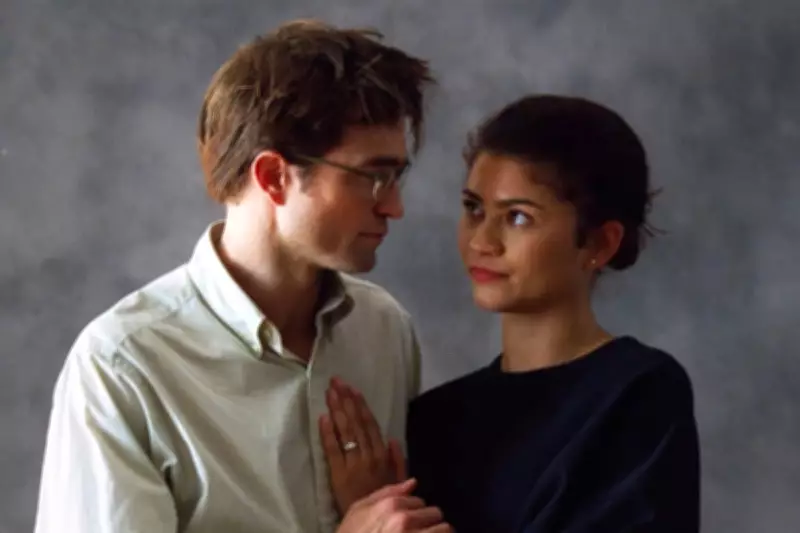
In an era saturated with dating apps and infinite romantic possibilities, the age-old concept of finding "the one" has taken centre stage in popular culture, most notably in the new A24 film The Drama starring Zendaya and Robert Pattinson. Released recently, the film plunges a young engaged couple into turmoil when a terrible secret threatens to derail their wedding, forcing them to question whether they have truly found their soulmate.
Cinematic Reflections of Real-World Doubts
This narrative is not isolated. Netflix's new series Something Very Bad Is Going To Happen, featuring Camila Morrone and Adam DiMarco, similarly explores a bride-to-be's crisis of confidence during the week leading to her wedding. Both productions amplify a universal dilemma: in a world where choices seem limitless, how can anyone be certain they have made the right romantic choice?
Research underscores the prevalence of such doubts. Academic studies indicate that pre-wedding uncertainties are reported by at least one partner in approximately two-thirds of couples. This statistic highlights that questioning commitment is a normal, albeit stressful, part of the journey toward marriage.

Psychologists Challenge the 'One' Myth
Dr Tara Quinn-Cirillo, a HCPC registered psychologist, urges caution regarding the notion of "the one." "I think the concept of 'the one' should be treated with caution," she explains. "It can act like a cognitive bias against our observations and decision making and gut instinct around the individual and their behaviour." This idealised concept, she argues, can cloud judgment, potentially leading individuals to overlook red flags or remain in unhappy relationships.
Instead of searching for a mythical perfect match, experts suggest focusing on tangible signs of a healthy partnership. Key indicators include:
- Feeling able to be your authentic self around your partner.
- Experiencing a sense of calm and security in their presence.
- Feeling genuinely seen, understood, and valued.
Dr Quinn-Cirillo adds, "Evidence shows that healthy long-term relationships are about thriving, not just surviving moment to moment. Research has shown that secure romantic relationships lead to positive changes in both an individual's physical and emotional health and personal development." Noticing positive personal growth that correlates with the relationship can be a strong signal you are on the right path.
Navigating Doubts and Red Flags
Relationship coach Lorin Krenn distinguishes between normal fears and serious concerns. "You can have crystal clarity about the partner you choose and still experience fears of being fully seen, of losing independence," she notes. "This is not only normal, but expected. If the mind is endlessly ruminating, though, if there is persistent pain and confusion around the relationship, that is a sign something needs to be examined."
In scenarios akin to The Drama, where a shocking revelation emerges, Dr Quinn-Cirillo advises adopting an outsider's perspective. "It can be helpful to think about what you would think if a friend told you and how you would respond to them," she suggests. Critical thinking should not be sacrificed for blind loyalty. "Don't confuse loyalty with 'must do' behaviour. You can be a loyal partner and also use critical thinking skills about your partner and their behaviour. Ultimately, it comes down to safety and risk."
The Possibility of Multiple Great Loves
Dr Candice O'Neil of Ontic Psychology challenges the idea of a single, lifelong soulmate. "There can be more than one great love in a life for many," she states. "Typically, we evolve and grow through our life span, so there's potential to find true love more than once as people and relationships change." Acknowledging this reality can liberate individuals from the pressure of finding a perfect, immutable match.

However, Dr O'Neil also emphasises that enduring love is possible through conscious effort. "You can of course have one love (many do) but it requires you to grow together, to consciously recommit to each other, maintaining the connection and making the love a priority for the duration of the relationship."
Ultimately, while films like The Drama present extreme scenarios, they tap into a fundamental human uncertainty. In modern dating culture, with its paradox of choice, the quest for "the one" may be less about finding a definitive answer and more about embracing the risk of commitment, navigating doubts with clarity, and recognising that love, in its healthiest form, fosters mutual growth and resilience.