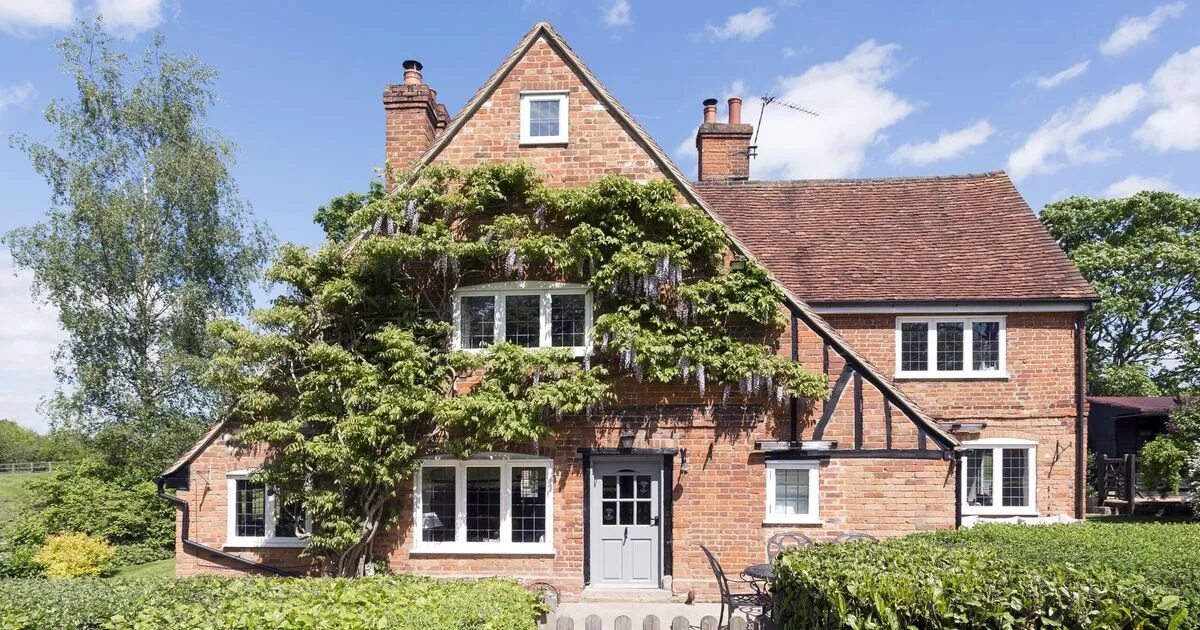
UK gardeners are all too familiar with the invasive nature of common or English ivy. This evergreen climber is widespread across the country, notorious for its stubborn grip on walls, fences, and trees, forming dense carpets of foliage. While ivy does offer ecological benefits such as shelter for birds and support for pollination, its habit of smothering plants, damaging mortar in older walls, and blocking sunlight can prove troublesome for keen gardeners.
The Natural Solution to Ivy Infestation
The typical method for tackling fast-growing weeds often involves powerful chemicals. However, experts at Drip Works propose a homemade solution using just three ordinary kitchen staples that can permanently eliminate serious and invasive ivy. Managing unwanted ivy depends on where it grows. For ivy climbing walls, specialists recommend a vinegar-based spray.
"If you want an ivy-free garden wall, this is an effective and natural way to achieve it," the experts advise. They champion a mixture comprising apple cider vinegar, salt, and washing-up liquid, which has been "proven to be the best solution to kill ivy."
How to Prepare the Weed-Killing Spray
Making this spray couldn't be simpler. Combine one gallon of apple cider vinegar, a tablespoon of salt, and roughly two tablespoons of washing-up liquid in a spray bottle. Both apple cider vinegar and white vinegar can be used, though apple cider vinegar may prove more powerful for some due to additional compounds beyond acetic acid. The effectiveness depends on the acetic acid concentration, which varies across vinegar types.
Before using the mixture, fasten the lid securely and give it a good shake. It is equally important to wear gardening gloves, long sleeves, and boots to protect yourself throughout the process.
Steps to Kill Ivy Plants
It is recommended that the vinegar solution thoroughly coat the ivy plants for a minimum of five days before gauging its effectiveness. This liquid formula acts as a natural weedkiller, drawing moisture out of ivy leaves and breaking down their protective waxy coating.
Drip Works suggested: "After five to six days, use garden shears and a pruning saw to remove dead ivy that is clinging firmly to the building." If any foliage survives the application, you may need to repeat the process until the English ivy is completely eliminated. After the leaves die back, it is essential to physically extract the roots, as ivy will regrow if even a tiny root fragment remains.
While ivy can offer nesting sites for wildlife within its thick coverage, uncontrolled spread can damage trees by increasing weight and competing for light and water.