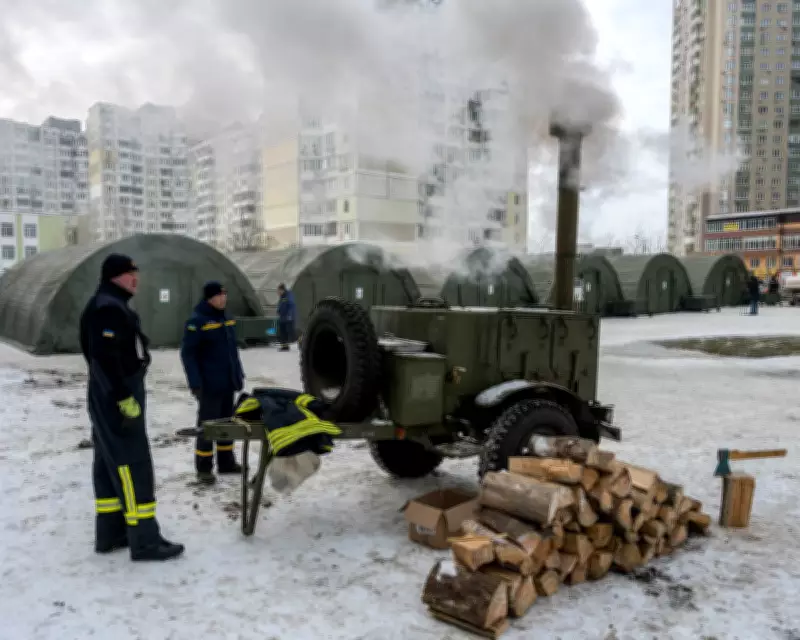
Ukrainian rescue workers have been deploying emergency tents at heating points across Kyiv, providing vital relief to civilians enduring a severe spell of freezing winter conditions. The capital faces a critical humanitarian challenge as temperatures plummet, with authorities scrambling to offer warmth and shelter amid the ongoing conflict.
Zelenskyy Adopts Wait-and-See Stance on Proposed Bombing Pause
President Volodymyr Zelenskyy has expressed caution regarding a potential pause in Russian strikes on Ukrainian cities and energy infrastructure, stating he will wait to see whether Moscow complies with a request from Donald Trump. The Ukrainian leader emphasised that there is no formal ceasefire agreement in place between the two nations, but indicated Kyiv would reciprocate if Russia halts such attacks.
Trump's Personal Appeal to Putin Over Extreme Weather
On Thursday, former US President Donald Trump claimed that Vladimir Putin had agreed to suspend strikes on Ukraine's energy infrastructure for one week following a personal appeal. Trump cited the extreme cold weather affecting Ukraine as the rationale for his intervention, though the Kremlin has been ambiguous in its response.

A Kremlin spokesperson confirmed on Friday that Putin had received Trump's request to halt strikes on Kyiv until February 1st, but declined to clarify whether the Russian president had agreed or issued any corresponding orders to military commanders.
Noticeable Reduction in Overnight Attacks
Despite the lack of formal confirmation, there was a discernible decrease in attacks by both sides overnight after Trump's announcement. Ukraine's air force reported that Russian forces launched 111 strike drones and one ballistic missile between Thursday night and Friday morning, a figure that suggests some limitation in targeting.
Russian pro-war military bloggers also noted that Moscow had largely confined its assaults to frontline areas, rather than targeting urban centres or energy facilities deep within Ukrainian territory.
Diplomatic Efforts and Historical Precedents
Zelenskyy revealed that US officials first proposed the ceasefire idea during trilateral talks held in Abu Dhabi last week, as part of broader efforts to create more space for diplomacy. This initiative follows a previous attempt last spring, when both sides agreed to a 30-day ceasefire on energy infrastructure that ultimately collapsed due to non-compliance.
Upcoming Talks and Regional Tensions
Senior Ukrainian and Russian officials are scheduled to meet in Abu Dhabi this weekend for another round of negotiations, though rising tensions between the United States and Iran have introduced fresh uncertainty. Zelenskyy acknowledged that developments in US-Iran relations could potentially affect the timing or location of these diplomatic engagements.
"The date or the location may change," Zelenskyy stated. "From our point of view, something is happening in the situation between the United States and Iran, and those developments could affect the timing."
Elusive Path to Peace Amid Territorial Disputes
While Trump has repeatedly spoken of progress toward ending Russia's invasion over the past year, a viable path to peace remains elusive. The Kremlin continues to insist that any settlement must involve Ukraine ceding the entire eastern Donbas region, including areas currently under Ukrainian control.
Kyiv has firmly rejected these maximalist territorial demands, though Zelenskyy has indicated willingness to consider alternative arrangements. These could potentially include the withdrawal of Ukrainian troops from certain eastern areas and the establishment of demilitarised zones as part of a negotiated settlement.
"We will not give up the Donbas without a fight," Zelenskyy declared, adding that "for now, we have been unable to find a compromise on territorial issues." The statement underscores the fundamental challenges facing diplomatic efforts to resolve the conflict, even as immediate humanitarian concerns mount during the harsh winter conditions.