Ukrainian President Volodymyr Zelenskyy has announced that Ukraine is awaiting White House approval for a significant drone production agreement proposed by Kyiv last year. The statement was made on Thursday, 12 March 2026, as nations worldwide scramble to modernize their air defenses following recent conflicts that exposed critical vulnerabilities.
Details of the Proposed Drone Deal
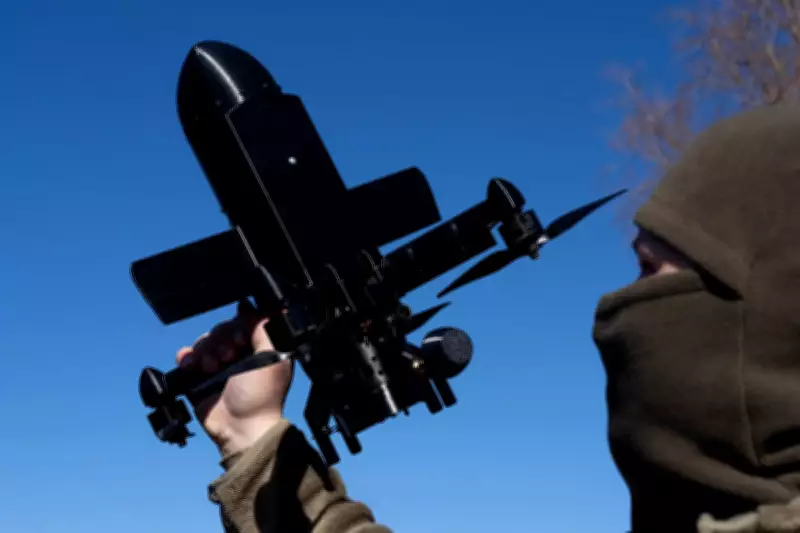
The proposed U.S.-Ukraine agreement would encompass various types of drones and air defense systems designed to operate as a unified network. This system aims to protect against swarms of hundreds or even thousands of Iranian-designed Shahed drones and missiles, according to Zelenskyy in a social media message. He emphasized, "We have not yet had the opportunity to sign this document," highlighting the pending nature of the deal.
Context of Drone Warfare and Regional Conflicts
Since Russia invaded Ukraine just over four years ago, it has launched tens of thousands of Iranian-designed Shahed drones at Ukrainian targets. Notably, Russia executed its largest nighttime barrage with a swarm of more than 800 drones and decoys. In response to joint U.S.-Israeli strikes, Iran has also deployed similar drones in the Middle East, underscoring the global relevance of such threats.

Ukraine has been at the forefront of developing cost-effective drone countermeasures, with some systems costing only a few thousand dollars. These innovations have fundamentally reshaped air defense strategies, making advanced protection more accessible and efficient.
Strategic Implications and Diplomatic Efforts
Zelenskyy suggested that the ongoing conflict in the Middle East might incentivize American officials to approve the drone production proposal. For Ukraine, securing this agreement is crucial to locking in future foreign support for its defense against Russia's invasion. Additionally, such deals could provide Kyiv with enhanced diplomatic leverage in potential negotiations with Moscow.
Currently, U.S.-mediated talks aimed at halting Europe's largest conflict since World War II are on hold due to the Iran war. In a related diplomatic move, Zelenskyy arrived in NATO member Romania on Thursday, with plans to meet French President Emmanuel Macron in Paris the following day.
Economic Factors and Sanctions Evasion
New research indicates that Russian oil revenue, which fuels its invasion of Ukraine, has increased since the Iran war began. According to the nonprofit Centre for Research on Energy and Clean Air, Russia's daily oil sales revenue during the Middle East conflict has averaged 14% higher than in February, driven by a sharp rise in crude prices. This revenue is vital for sustaining Moscow's war efforts.
Macron's office stated that his discussions with Zelenskyy will focus on countering Russia's so-called shadow fleet of tankers, which illegally transport oil in violation of international sanctions. These vessels are notoriously difficult to intercept, posing a significant challenge to global enforcement efforts.
Regional Support and Collaborative Initiatives
During his visit to Bucharest, Zelenskyy was scheduled to meet with Romanian President Nicușor Dan and Prime Minister Ilie Bolojan, as well as visit a training center for Ukraine's F-16 pilots. Romania has played a supportive role in the conflict, facilitating significant grain exports from Ukraine and providing energy assistance to Kyiv, especially as Russian forces target Ukraine's power grid.
This collaborative effort underscores the broader international involvement in supporting Ukraine's defense and economic stability amid ongoing hostilities.