Zelensky Expresses Concern Over US Missile Usage in Iran Impacting Ukrainian Defence
In an exclusive interview with The Independent's World Affairs Editor Sam Kiley, Ukrainian President Volodymyr Zelensky has issued a stark warning about the potential consequences of the United States' military engagement with Iran. Zelensky articulated that the extensive use of American missiles in the Middle East conflict could severely impact Ukraine's ability to defend itself against ongoing Russian aggression.
Air Defence Systems at Risk of Depletion
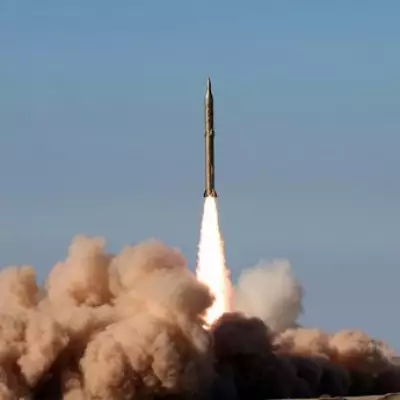
Zelensky highlighted a critical concern regarding the allocation of air defence missiles. As the US and its allies deploy hundreds of missiles to counter Iran's waves of drones and rockets, Ukraine faces a possible shortage of these vital resources to protect its cities from Russian attacks. "The focus will shift to the Middle East, to the Iranian war now and to the United States and also to Israel," Zelensky stated during the interview for The Independent's World of Trouble Podcast. He emphasised that this shift is understandable given the immediate threats in the region, but it poses a significant risk to Ukraine's defensive capabilities.
"Our estimation, of course, is that air defence for Ukraine could decrease," Zelensky added, underscoring the practical reality his country confronts. He has proactively instructed his military commanders to prepare for this anticipated shortfall, ensuring they are ready to adapt to reduced defensive support.

Geopolitical and Economic Ramifications
The interview also delved into the broader implications of the Iran conflict, particularly its effect on global oil markets. Zelensky pointed out that Iran's control over key shipping routes, such as the Arabian Gulf and the Strait of Hormuz, has led to a surge in crude oil prices by almost a fifth since the attacks began. This price increase could inadvertently benefit Russia, as China and India remain major importers of Russian oil, often transported via shadow fleets of tankers to circumvent international sanctions.
"How Russia uses the price boom or not will depend on how our partners will work with the biggest importers," Zelensky remarked, without specifying any countries. He stressed the need for continued efforts to enforce sanctions and monitor shadow fleets to prevent Russia from capitalising on the situation. The European Union's ongoing role as a significant gas client for Russia further complicates these efforts, with many maritime nations hesitant to intercept illicit oil shipments.
Strategic Military Considerations
Zelensky clarified that his comments were not intended as criticism of the US, acknowledging the Trump administration's sensitivity to such feedback. However, he explained that Russian President Vladimir Putin has not faced sufficient military and economic pressure to engage in genuine peace talks. Last year, Zelensky travelled to the White House to lobby for the sale of long-range Tomahawk missiles to Europe for Ukrainian use, but his efforts were unsuccessful. Now, those same missiles are being deployed in large numbers against Iran.
Reflecting on the scale of the US missile usage, Zelensky noted, "I have seen various estimates of how many had been used against Iran – 2,000? I don't know exactly… in the first two days." He contrasted this with his own request to the US: "You know how many I asked for from the United States?... 200 I said or just give us 100." This disparity highlights the challenges Ukraine faces in securing adequate military support amidst competing global conflicts.
Lessons from the Iran Conflict
Zelensky drew parallels between the US approach to Iran and what he believes should be applied to Russia. He referenced US negotiations with Iran, where demands were made to halt nuclear programmes, missile production, and terrorism sponsorship, with clear consequences for non-compliance. "In my case, what I proposed to all the partners was: tell Putin. 1, 2, 3, the same steps, and then if he does not comply, don't even help us. Just give us the weapons," Zelensky asserted, advocating for a firmer stance against Russian aggression.

Despite the potential shortfall in air defence systems, Zelensky remains resilient. Ukraine has ramped up production of short-range drone interceptors and dispatched experts to the Gulf to advise on air defences against Iran's low-tech missiles. However, the country continues to seek support from global allies to address the looming defence gaps, emphasising the urgent need for sustained international assistance in its fight against Russian forces.