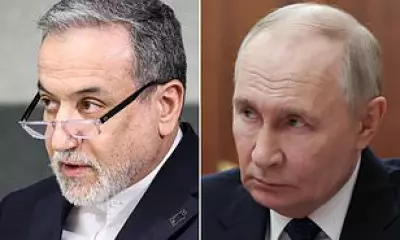
Nazanin Zaghari-Ratcliffe, alongside more than 100 Iranians residing in the United Kingdom, has issued a stark warning to Sir Keir Starmer, urging the UK government to refrain from escalating its involvement in the ongoing Iran conflict. In a compelling letter, the signatories caution that any military intervention would inadvertently bolster the Tehran regime, rather than weaken it.
Letter Details and Signatories
The letter, which has garnered signatures from former political prisoners and prominent Iranian figures, articulates a clear stance against deepening UK engagement in the conflict. It argues that launching attacks on Iran would "entrench the authoritarians" and provide the regime with a powerful narrative of resisting Western imperialism, which could be exploited to consolidate its power domestically.
Proposed Peaceful Alternatives
Instead of advocating for military action, the signatories propose a series of peaceful measures aimed at supporting internal opposition within Iran. Key recommendations include providing Starlink technology to counteract government-imposed communication blackouts, which often silence dissent, and implementing stronger protections for political prisoners who face persecution under the regime. These initiatives are framed as more effective ways to foster change without resorting to violence.

Context of the Appeal
This appeal comes in the wake of significant recent events in Iran, notably the death of Supreme Leader Ayatollah Ali Khamenei. Reports indicate that Khamenei was killed by Israeli air strikes, leading to his succession by his son, Mojtaba Khamenei. The letter critically addresses this development, condemning Israel's assassination policy. While the signatories express disdain for the former leader, they argue that his death at the hands of an alleged war criminal, such as Mr Netanyahu, serves to immortalise him rather than deliver justice, potentially galvanising support for the regime.
Broader Implications and Criticisms
The letter underscores a broader critique of foreign intervention strategies, suggesting that military actions often have unintended consequences that strengthen oppressive regimes. By highlighting the risks of entrenching authoritarianism, the signatories call for a more nuanced approach that prioritises diplomatic and humanitarian efforts over armed conflict. This perspective is rooted in the experiences of those who have directly suffered under the Tehran regime, lending credibility to their warnings.
In summary, Nazanin Zaghari-Ratcliffe and the co-signatories are making a passionate plea for restraint and strategic thinking in UK foreign policy towards Iran. They emphasise that supporting peaceful internal opposition through technological and protective measures offers a more sustainable path to change, avoiding the pitfalls of military escalation that could reinforce the very regime they seek to challenge.