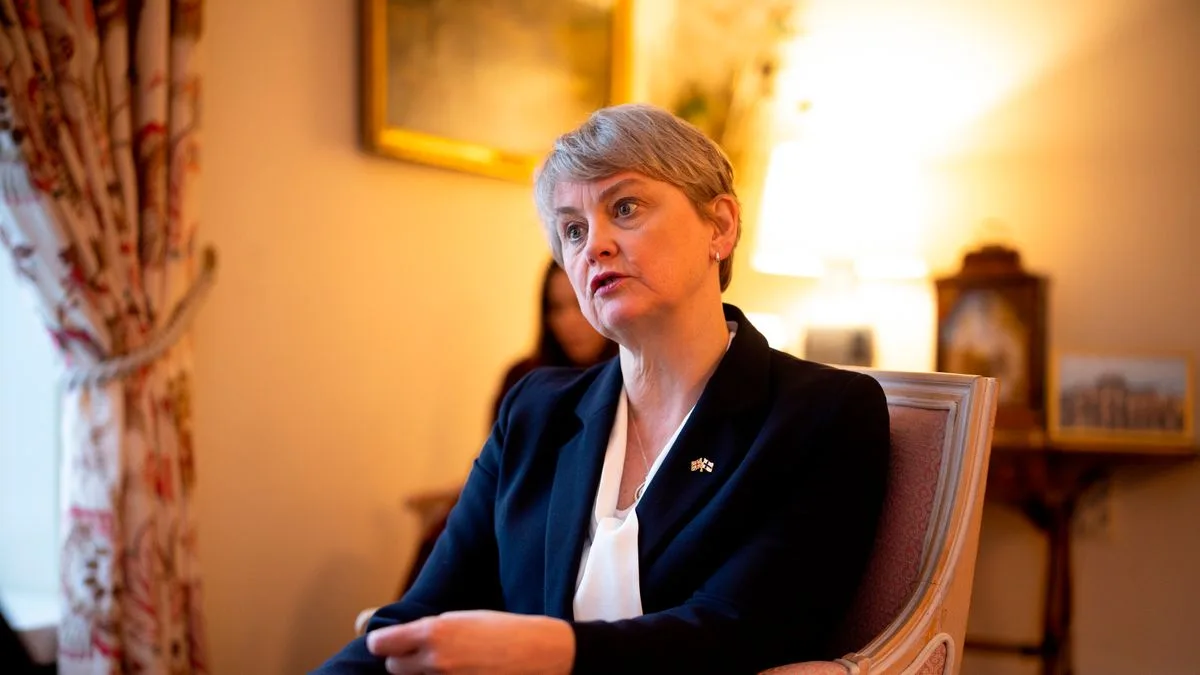
Foreign Secretary Yvette Cooper Details Billions in International Aid Cuts Amid Criticism
Foreign Secretary Yvette Cooper is set to announce significant reductions to the UK's international aid budget, with plans to cut billions of pounds in overseas development funding. The move, which will see the budget slashed to 0.3% of GDP by 2027, has ignited fierce criticism from opponents who warn it will endanger lives and undermine Britain's global standing.
Prioritising Conflict Zones as Axe Falls on Aid
In a statement scheduled for today, Ms Cooper will emphasise a refocused approach that prioritises conflict-affected regions such as Gaza, Ukraine, and Sudan. She vows that 70% of all geographic support will be allocated to these fragile states, aiming to address humanitarian crises and prevent further instability. "At a time when conflict is raging in many parts of the world, we will maintain and protect our support to people in Ukraine, Sudan, Palestine and Lebanon," she stated last night, highlighting the alignment of this strategy with diplomatic efforts to resolve conflicts.
The decision to reduce overseas aid from its current level of 0.5% of GDP was initially announced by Prime Minister Keir Starmer in February last year, triggering a substantial backlash. An estimated £6.1 billion will be cut, leading to the withdrawal of funding from thousands of projects worldwide. This reduction marks a steep decline from the 0.7% level maintained under Tony Blair until the Covid pandemic, raising concerns about the UK's commitment to global development.
Outcry and Resignations Over Humanitarian Impact
The aid cuts have provoked strong reactions, including the resignation of International Development Minister Anneliese Dodds in protest. In her resignation letter, Ms Dodds warned that the reductions would "remove food and healthcare from desperate people" and severely damage the UK's reputation. Her departure underscores the deep divisions within the government over this policy shift.
Critics argue that slashing the aid budget will harm Britain's soft power—its ability to influence international affairs through non-military means. Former International Development Minister Gareth Thomas expressed concerns, stating, "In an already unsafe world, cutting aid risks alienating key allies and will make improving children’s health and education in Commonwealth countries more difficult." He emphasised that security relies not only on military strength but also on building relationships and stability abroad.
NGOs Warn of Devastating Global Consequences
Romilly Greenhill, chief executive of Bond, the UK network for NGOs, condemned the cuts as the steepest among G7 countries between 2024 and 2026. She warned that this decision has "irreparably damaged the UK's reputation on the global stage" and could lead to devastating outcomes for millions, including increased vulnerability to crises and reversed progress toward a safer world.
Despite the reductions, Ms Cooper insists that investment in global health, climate action, and the rights of women and girls will continue. She announced a shift in focus from being a donor to an investor, aiming to spend the reduced budget more effectively. "Today we will set out how we will spend our overseas development budget more effectively than ever before," she said, promising a reformed and innovative development agenda suited to modern challenges.
Specific Allocations and Future Commitments
As part of the new strategy, £24 million per year will be ringfenced for projects addressing the root causes of illegal migration. Core funding for Education Cannot Wait, which supports education in unstable regions, will be maintained at £80 million. Additionally, partnerships with charities like the Scottish-based HALO Trust and Manchester-based Mines Advisory Group (MAG) will be expanded to enhance impact in conflict zones.
International Development Minister Jenny Chapman defended the approach, stating, "We are spending less on international development, but we are spending it better than ever. Our commitment to tackling global challenges—hunger, disease, insecurity and conflict—has not wavered." The government argues that the cuts are necessary to increase defence spending to 2.7% of GDP, a move announced by the Prime Minister last year to bolster national security.
However, opponents remain unconvinced, fearing that the long-term costs of reduced aid will outweigh the short-term benefits of increased defence funding. As the debate continues, the humanitarian and diplomatic implications of these budget cuts are set to shape Britain's role on the world stage for years to come.