World Leaders' Valentine's Day Popularity Contest: Who Tops the Charts?
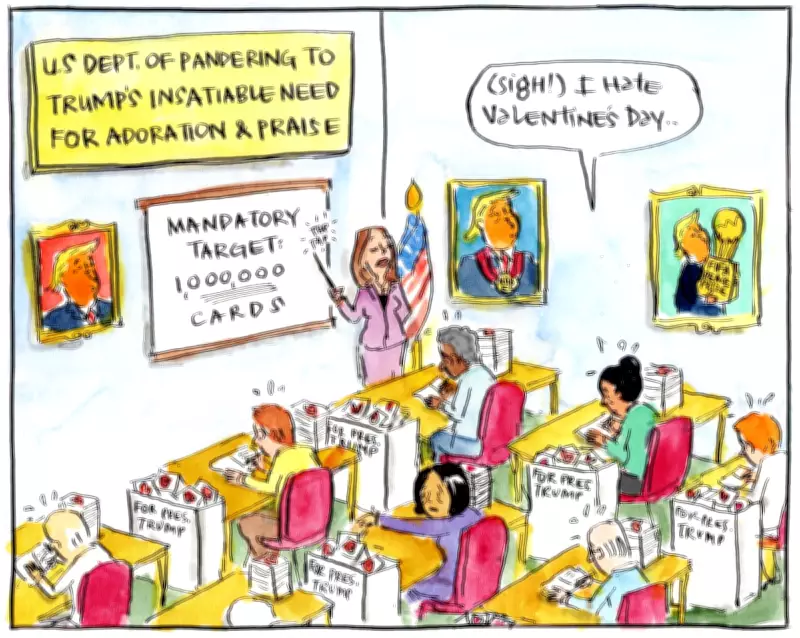
In a whimsical twist on political analysis, speculation is rife about which world leader might be the recipient of the most Valentine's Day cards this year. This playful concept merges the realms of international diplomacy with the affectionate traditions of February 14th, offering a unique lens through which to view public perception and leader charisma.
Factors Influencing Valentine's Day Appeal
The ranking considers various elements that could sway the number of Valentine's Day cards sent to global figures. Charismatic leaders known for their eloquent speeches and engaging public appearances often garner more admiration, potentially translating into higher card counts. Additionally, those who champion popular policies or embody relatable personal stories might see an uptick in affectionate gestures from supporters worldwide.
Public sentiment plays a crucial role, as leaders enjoying high approval ratings or those who have recently made headlines for positive reasons could attract more Valentine's Day attention. Conversely, controversial figures might still receive cards, albeit from a more niche or polarised fanbase, highlighting the diverse nature of political fandom.

Speculative Rankings and Global Trends
While no official tally exists, experts and enthusiasts alike have ventured guesses based on current events and social media trends. Leaders from major democracies with strong media presence often feature prominently in these speculative lists, as their visibility and accessibility make them more likely candidates for such affectionate outreach.
Regional variations also come into play, with local leaders in certain countries potentially outshining global heavyweights in terms of Valentine's Day card volume, thanks to cultural factors and closer community ties. This underscores how the contest is not just about international fame but also about personal connection and regional loyalty.
The Broader Implications of This Lighthearted Analysis
Beyond the fun, this Valentine's Day popularity contest reflects deeper insights into how leaders are perceived beyond traditional political metrics. It touches on themes of soft power, where a leader's ability to inspire affection can complement their diplomatic and policy achievements. In an era of heightened political polarisation, such lighthearted rankings offer a moment of levity, reminding us that public figures are often viewed through multifaceted lenses.
Moreover, this analysis sparks conversations about the intersection of politics and popular culture, suggesting that even in serious governance, there's room for humanising elements that resonate with the public on an emotional level. As Valentine's Day approaches, this speculative contest serves as a charming reminder of the personal connections that underpin political landscapes worldwide.