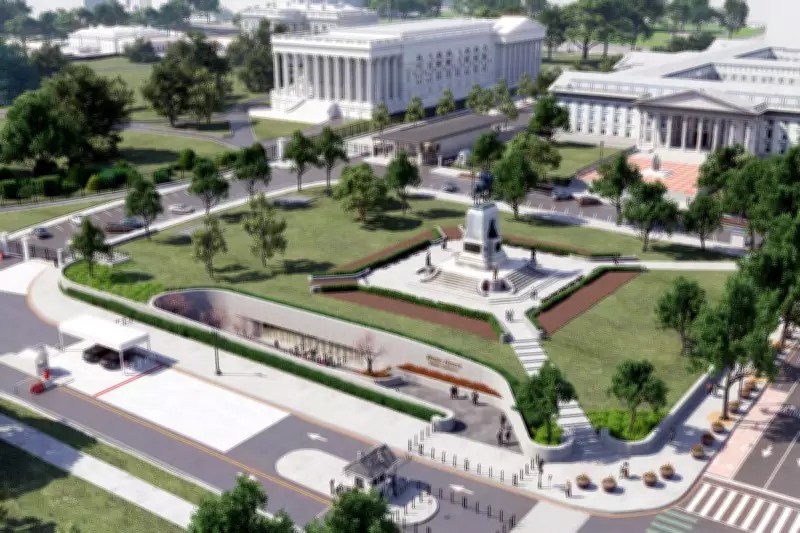
The Commission of Fine Arts (CFA) has formally rejected the proposed design for a new White House visitor security screening centre, objecting to its excessive size and lack of aesthetic appeal. This decision delays preliminary approval and requires the Secret Service to submit a revised, more visually pleasing and compact design.
Design Flaws and Regulatory Hurdles
The planned 33,000-square-foot facility, intended to modernise the visitor experience by replacing temporary structures in use since the September 11, 2001, terror attacks, was criticised for being too large and unattractive. White House spokesman Davis Ingle emphasised the project's goal to enhance security and visitor flow, but the CFA insisted on a shorter length and height in the redesign.
Contrast with Previous Approvals
This rejection stands in stark contrast to the CFA's earlier approval of a large ballroom project, which involved demolishing the East Wing and is currently under construction. The inconsistency highlights ongoing debates over architectural standards and regulatory oversight in federal projects.

Broader Implications and Delays
The National Capital Planning Commission (NCPC) was scheduled to discuss the security centre, but its meeting may be postponed due to the CFA's concerns. This delay occurs amid controversy over the qualifications of some commission appointees, adding to the project's complexities.
The redesign process will now focus on balancing security needs with aesthetic considerations, as authorities work to address the panel's feedback and move forward with the long-overdue modernisation of White House visitor facilities.