Volunteers in Kyiv Distribute Hot Meals Amid Escalating Russian Energy Attacks
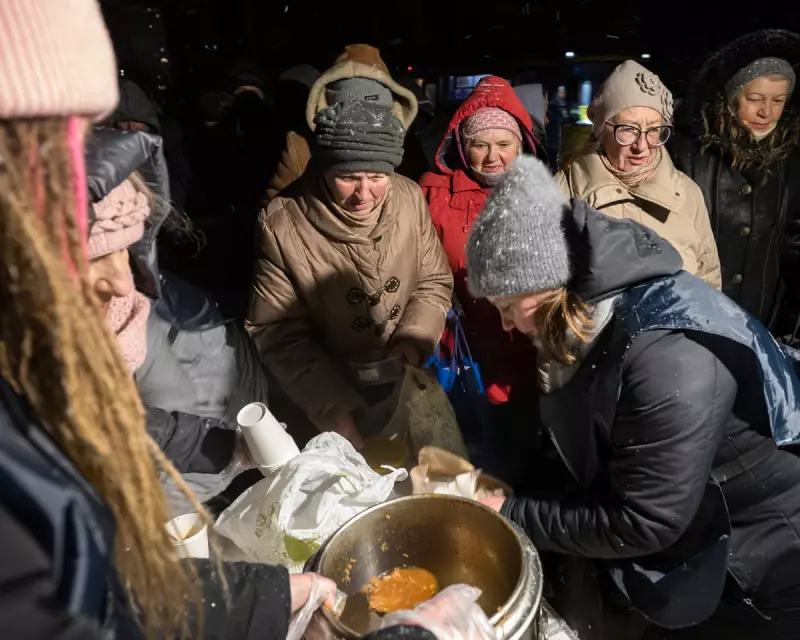
In the heart of Kyiv, volunteers are working tirelessly to distribute hot meals to vulnerable residents as Russia continues its relentless assault on Ukraine's energy system during the harsh winter months. This humanitarian effort comes at a critical time when the country's power grid is under severe strain, leaving many without reliable heating and electricity in freezing temperatures.
Peace Talks Resume in Abu Dhabi Amid Ongoing Violence
High-level peace negotiations between Ukraine, Russia, and the United States have resumed in Abu Dhabi, marking the most significant diplomatic engagement between the three nations since the conflict began over 1,431 days ago. The Russian delegation is led by Admiral Igor Kostyukov, head of the GRU military intelligence service, suggesting a focus on military rather than political discussions. Russia has reiterated its demand for Ukraine to withdraw from the Donbas region before substantive talks can proceed.
Ukrainian President Volodymyr Zelenskyy described the meeting as occurring at "negotiator level" for the first time in an extended period. These talks follow a seventh meeting between former US President Donald Trump's special envoy, Steve Witkoff, and Russian President Vladimir Putin in Moscow, where territorial demands and security guarantees dominated discussions.

Recent Attacks Leave Multiple Casualties Across Ukraine
Russian strikes overnight injured at least fifteen people in Kyiv and the northeastern city of Kharkiv, according to Ukrainian authorities. The capital experienced a massive enemy attack, with Mayor Vitali Klitschko urging residents to remain in shelters due to threats from drones and ballistic missiles. Four individuals were wounded in Kyiv, three of whom required hospitalisation.
In Kharkiv, Iranian-made Shahed drones targeted residential areas near the Russian border, wounding more than eleven people and damaging multiple buildings. The country remains under air raid alerts as military forces brace for further assaults.
Energy Infrastructure Nears Collapse as Winter Deepens
Ukraine's energy situation has deteriorated significantly following recent Russian air attacks, prompting emergency power outages across most regions. Maxim Timchenko, CEO of Ukraine's leading private energy firm, warned that the situation is approaching a humanitarian catastrophe. He emphasised that any potential peace agreement must include provisions to halt attacks on energy infrastructure.
The European Union has responded by deploying 447 emergency generators from its reserves to support Ukraine. EU Commissioner for Preparedness and Crisis Management Hadja Lahbib stated that Russia is deliberately attempting to deprive Ukrainians of energy to break their spirit but affirmed that the EU will not allow Russia to "freeze Ukraine into submission."
International Reactions and New Military Threats
Italian Prime Minister Giorgia Meloni expressed hope that Donald Trump could help end the conflict, suggesting she might nominate him for the Nobel Peace Prize if he facilitates a just and lasting peace for Ukraine. However, Italy faces constitutional barriers to joining Trump's proposed "board of peace" initiative.
Meanwhile, Russia has begun deploying a new model of high-speed drone, the Geran-5, against Ukrainian targets. Analysis of wreckage indicates that key components may originate from Western and Chinese companies. Ukrainian air defence teams report increasing challenges as faster drones reduce the window for interception, posing a serious threat to the country's already strained defence systems.
As winter tightens its grip on Ukraine, the dual challenges of humanitarian need and diplomatic complexity continue to define this protracted conflict, with civilians bearing the brunt of the ongoing violence and infrastructure attacks.