US Forces Conduct Lethal Strike on Suspected Drug-Smuggling Vessel in Pacific
US Southern Command has confirmed that American military forces executed a lethal kinetic strike on a boat suspected of drug smuggling in the eastern Pacific Ocean on Friday. According to official statements, the attack resulted in two fatalities and left one survivor, who were subsequently handed over to the Costa Rican coast guard.
Details of the Incident and Rescue Operation
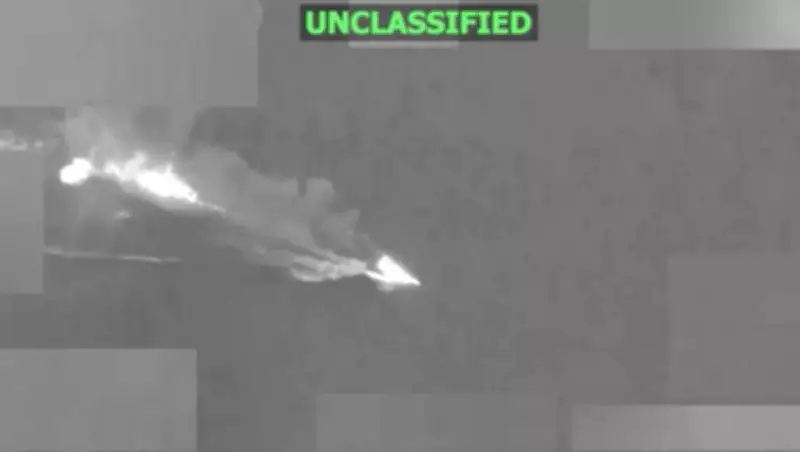
Following the strike, the US military immediately activated the Search and Rescue system, coordinating with the US Coast Guard. A coast guard vessel recovered the two deceased individuals and the lone survivor, transferring them to Costa Rican authorities. The military released a video on social media depicting the targeted boat erupting into flames while in motion, though no concrete evidence was provided to substantiate claims that the vessel was transporting illicit drugs.
Legal and Ethical Controversies Surrounding the Strikes
This latest incident brings the total number of deaths from US boat strikes to at least 159 since the Trump administration initiated its campaign against so-called narcoterrorists in early September. International law experts have condemned these strikes as illegal, citing historical precedents such as the prosecution of Nazi U-boat crews in 1945 for killing shipwreck survivors, which established such actions as war crimes. The Pentagon has faced criticism for its strategy, including ordering follow-on strikes to eliminate survivors, raising serious ethical and legal questions.

Political Context and Broader Implications
Former President Donald Trump has framed the US as being in an armed conflict with Latin American cartels, justifying the military escalation as necessary to combat drug trafficking into the United States. However, critics argue that the effectiveness of these strikes is dubious, particularly since fentanyl, a major contributor to overdose deaths, is primarily smuggled overland from Mexico using chemicals sourced from China and India. The lack of transparency and evidence supporting the designation of targets as narcoterrorists has further fueled skepticism and calls for accountability.
As the debate intensifies, the ongoing military operations in the eastern Pacific and Caribbean continue to draw scrutiny for their potential violations of international norms and their impact on regional relations.