Trump Administration Smuggled Starlink Terminals into Iran Amid Brutal Crackdown
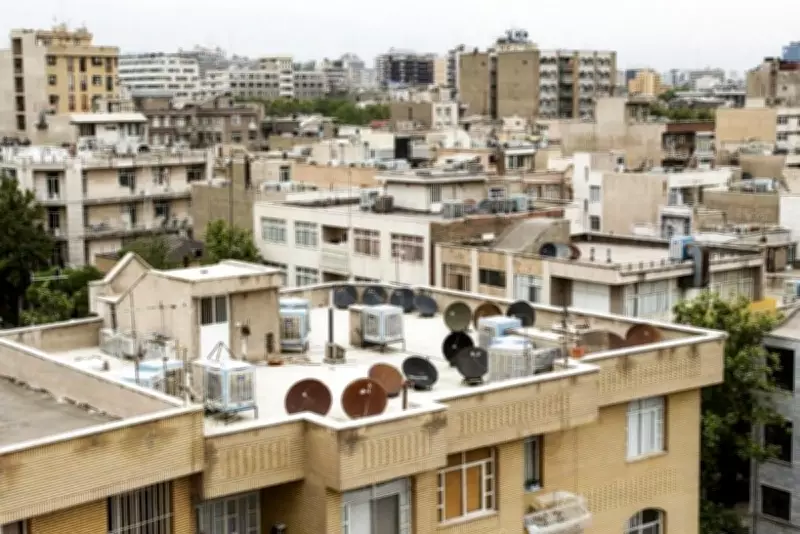
It is believed the United States smuggled approximately 6,000 Starlink satellite-internet kits into Iran, despite ownership of such devices being a criminal offence in the country. This covert operation occurred following the Iranian regime's violent suppression of widespread demonstrations last month.
Internet Shutdown and Covert Response
Iran's regime imposed a near-total nationwide internet shutdown for over two weeks when thousands of citizens protested against economic decline and a dwindling currency. The brutal crackdown by Tehran is estimated to have resulted in thousands of fatalities.
According to the Wall Street Journal, the U.S. State Department purchased almost 7,000 Starlink terminals in recent months to assist anti-regime activists in circumventing the internet blackout. This marks the first instance of the U.S. directly sending Starlink equipment to Iran. Senior Trump administration appointees decided to divert funds from other internet-freedom initiatives within Iran to facilitate this plan.

President Donald Trump was reportedly aware of the deliveries, though it remains unclear whether he or another official directly approved the operation. The White House has not commented on the matter.
Legal Risks and Regional Tensions
Owning a Starlink terminal is illegal in Iran and carries the risk of years in prison. However, Elon Musk reportedly waived monthly subscription payments for users inside Iran last month in response to the government's internet crackdown.
Tehran has accused Washington, without evidence, of involvement in last month's nationwide demonstrations and of spreading dissent. The U.S. has denied any connection to the uprising.
Nuclear Talks and Accusations
Washington and Tehran remain engaged in high-stakes negotiations over Iran's nuclear program. Trump has threatened military strikes if no agreement is reached, while Iran has vowed retaliation, raising fears of a broader conflict as the U.S. amasses forces in the Middle East.
On Wednesday, Iran's President Masoud Pezeshkian insisted that his nation is "not seeking nuclear weapons ... and are ready for any kind of verification." In a speech marking the 47th anniversary of the Islamic Republic, he stated, "The high wall of mistrust that the United States and Europe have created through their past statements and actions does not allow these talks to reach a conclusion."
He added, "At the same time, we are engaging with full determination in dialogue aimed at peace and stability in the region alongside our neighbouring countries."
External Interference and Human Toll
Iran has accused Israel of sabotaging the nuclear negotiations after Trump met with Prime Minister Benjamin Netanyahu on Wednesday. Netanyahu has reportedly urged the U.S. president to impose the strictest possible terms in any agreement with Tehran.
Commenting on the nuclear discussions, Tehran's security chief Ali Larijani told Al Jazeera, "Our negotiations are exclusively with the United States – we are not engaged in any talks with Israel. However, Israel has inserted itself into this process, with their intent on undermining and sabotaging these negotiations."
Since the unrest began in late December, the US-based human rights group HRANA estimates that 7,002 protesters have been killed, with a further 11,730 under investigation.