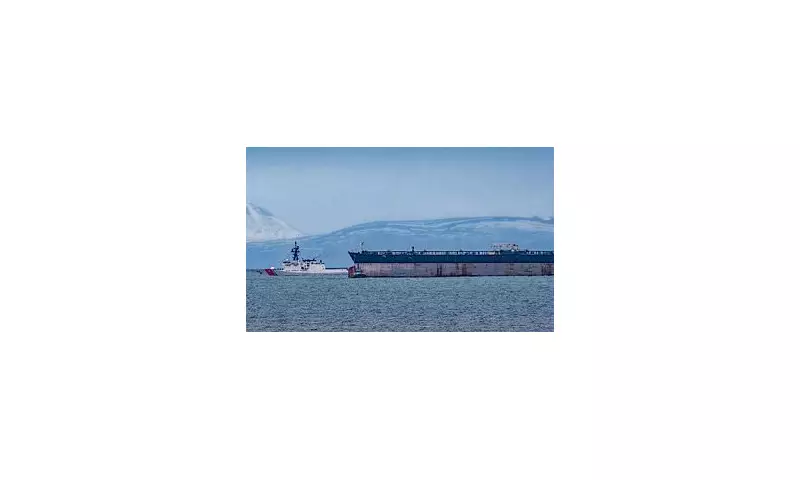
In a significant escalation of the White House's 'maximum pressure' campaign targeting the Venezuelan regime, United States military forces have conducted another high-seas operation, boarding and seizing an oil tanker in the Caribbean waters. This latest action underscores the Trump administration's intensifying efforts to tighten its grip on South American oil exports.
Seventh Vessel Intercepted in Recent Weeks
The takeover of the Motor Vessel Sagitta on Tuesday represents the seventh vessel to be intercepted by American forces as part of this ongoing campaign. U.S. Southern Command officially confirmed the operation through social media channels, stating that the vessel was apprehended 'without incident' during the mission.
According to SOUTHCOM, the tanker was caught red-handed, 'operating in defiance of President Trump's established quarantine of sanctioned vessels in the Caribbean.' This statement highlights the administration's firm stance against any attempts to circumvent the stringent sanctions imposed on Venezuela.

Details of the Operation Remain Unclear
SOUTHCOM has not yet confirmed whether the U.S. Coast Guard led the boarding party for this particular seizure, as it has in previous high-seas busts. The lack of specific operational details adds an element of uncertainty to the unfolding situation.
Over the past several weeks, the U.S. military and Coast Guard have now seized a total of seven vessels in international waters. These ships were either actively carrying Venezuelan oil at the time of interception or had a documented history of transporting such cargo in the past.
The consistent pattern of these seizures demonstrates a coordinated strategy aimed at disrupting Venezuela's oil export capabilities. This approach forms a critical component of the broader maximum pressure campaign designed to exert economic and political leverage on the regime.
As this remains a developing story, further updates are expected to provide additional context and details regarding the implications of these repeated maritime interventions. The international community continues to watch closely as the situation evolves in the Caribbean region.