Rescue Mission Underway After US Military Aircraft Crashes in Western Iraq
A rescue mission is currently in progress following the crash of a United States military refuelling aircraft in western Iraq, according to an official statement from the US Central Command. The incident involved a KC-135 refuelling plane that went down after an encounter with another US aircraft, which subsequently landed safely at Ben Gurion Airport in Israel. Centcom has clarified that the crash was not attributed to hostile fire or friendly fire, emphasising that it occurred within friendly airspace during Operation Epic Fury, the designated name for the US military campaign against Iran.
Crew Members and Casualties Remain Unclear
Initial reports from a US official, as cited by the Associated Press, indicate that the aircraft had at least five crew members aboard. However, the status of any casualties remains uncertain at this time, with rescue efforts actively ongoing to locate and assist those involved. The crash adds a layer of complexity to the already volatile situation in the region, as military operations intensify.
Iran Issues Stark Warning Over Energy Infrastructure
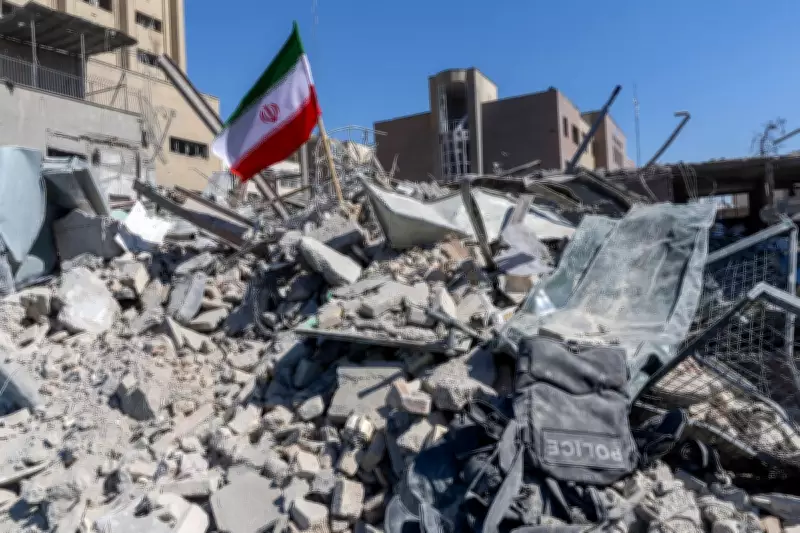
In a defiant response to ongoing hostilities, Iran has issued a severe warning, threatening to set the region's oil and gas facilities "on fire" if there are further attacks on its energy infrastructure. This statement comes amid sustained damage to both military and civilian sites within Iran, with the country vowing not to back down despite the heavy toll. The threat underscores the potential for escalation in a conflict that has already seen significant economic and human costs.

Escalating Tensions and Regional Strikes
The situation has rapidly deteriorated, with both sides engaging in verbal exchanges and military strikes. Iran's new supreme leader, Mojtaba Khamenei, has pledged to keep the Strait of Hormuz closed and to avenge losses, while Israeli Prime Minister Benjamin Netanyahu has hinted at the possibility of targeting Khamenei directly. Overnight, additional incidents included an attack claimed by the Iran-backed Islamic Resistance in Iraq, as well as strikes in northern Iraq that resulted in casualties among French and Italian forces.
Humanitarian Impact and Broader Conflict
The death toll from the conflict has now surpassed 2,000 individuals, with the majority of fatalities occurring in Iran. Nearly 700 people have died in Lebanon, where Israel has conducted offensives against Hezbollah, including targeting central Beirut and ordering evacuations in southern regions. Reports of drones entering airspace in Kuwait, Iraq, the UAE, Bahrain, and Oman further highlight the widespread nature of the hostilities, affecting multiple nations across the Middle East.
US Policy Adjustments Amid Energy Crisis
In response to the escalating conflict, the United States has implemented a 30-day sanctions waiver for countries purchasing Russian oil stranded at sea, aimed at alleviating energy market disruptions caused by the war. Treasury Secretary Scott Bessent described the measure as narrowly tailored and short-term, not significantly benefiting the Russian government. This move comes as oil prices have fluctuated, with Iran's actions threatening global oil supplies through the Strait of Hormuz.
Political Rhetoric and Public Statements
White House Deputy Chief of Staff Stephen Miller has praised US military actions, claiming an unprecedented asymmetric annihilation of the enemy in Iran. Meanwhile, US Representative Jim Jordan argued that Americans "can live with" higher gas prices if it means achieving strategic objectives against Iran. These statements reflect the domestic political dimensions of the conflict, as leaders seek to justify military engagements and economic sacrifices to the public.
The ongoing rescue mission in Iraq, coupled with Iran's threats and regional strikes, paints a picture of a conflict that is moving rapidly and with far-reaching consequences. As both sides continue to trade blows, the international community watches closely, concerned about further escalation and its impact on global stability and energy security.