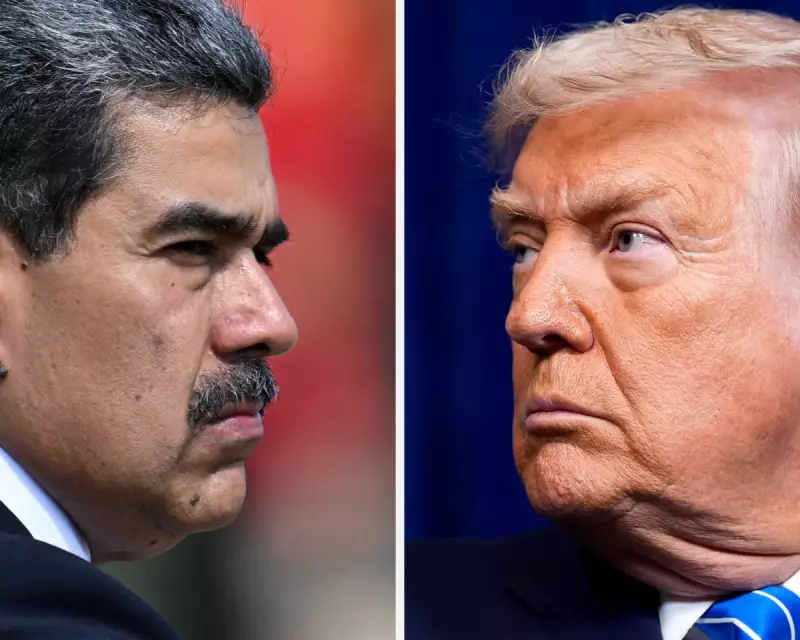
In a significant escalation of its long-standing campaign against the government in Caracas, the United States has initiated a formal process to remove Venezuela's President, Nicolas Maduro, from power. This move marks a new and more confrontational phase in the international diplomatic standoff over the South American nation's leadership.
The Legal Mechanism Behind the Move
The action is not a unilateral declaration but is based on a specific legal instrument. The US has invoked a clause within the Inter-American Democratic Charter, a treaty adopted by the Organisation of American States (OAS) in 2001. This charter was designed as a defence mechanism for democracy within the hemisphere.
Article 20 of the charter allows for a member state's suspension if its democratic order is "unconstitutionally interrupted." The US, alongside several regional allies, argues that Maduro's presidency is illegitimate following the widely disputed 2018 election and his subsequent consolidation of power through a loyalist assembly. The process requires a two-thirds majority vote from OAS member states to pass.

A Deepening Crisis with Historical Roots
This latest manoeuvre is the culmination of years of escalating tension. The US and numerous other nations have recognised opposition figure Juan Guaido as Venezuela's legitimate interim president since January 2019. However, Maduro, backed by the country's military and international allies including Russia, China, and Cuba, has retained control of the state apparatus.
The humanitarian and economic situation in Venezuela has continued to deteriorate, with severe shortages of food, medicine, and basic services driving millions to flee the country. Sanctions imposed by Washington and others have aimed to pressure the regime but have also been criticised for exacerbating the population's suffering.
Global Reactions and Potential Consequences
The US move is expected to deepen existing geopolitical fault lines. While it will be welcomed by the Venezuelan opposition and governments in Latin America that have taken a hard line against Maduro, it is likely to be vehemently rejected by his international backers. Russia and China may see it as further evidence of US overreach and could seek to bolster their support for Caracas, both diplomatically and economically.
Critics of the strategy warn that it risks hardening positions and closing off avenues for negotiation. There are also concerns about the precedent it sets for regional intervention. Proponents argue that all diplomatic avenues have been exhausted and that stronger action is necessary to restore democratic governance.
The path forward remains fraught with uncertainty. The success of the suspension vote in the OAS is not guaranteed, and even if passed, its practical effect on the ground in Venezuela is unclear. It primarily represents a powerful symbol of diplomatic isolation rather than an immediate mechanism for regime change. The ultimate outcome will depend on the evolving balance of internal pressures within Venezuela and the steadfastness of the international coalition seeking Maduro's departure.