In the complex arena of international diplomacy, nations sometimes engage with unsavory regimes to counter more immediate threats, a strategy that carries significant moral and practical risks. While such alliances may offer short-term advantages, history demonstrates they can inadvertently foster greater evils. A stark example is the US arming of the Mujahideen during the Cold War to oppose Soviet forces in Afghanistan; these fighters later evolved into the Taliban, who ultimately challenged Western powers and imposed oppressive rule.
The Temporary Sanctions Lift: A Calculated Move
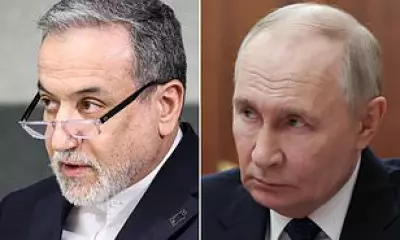
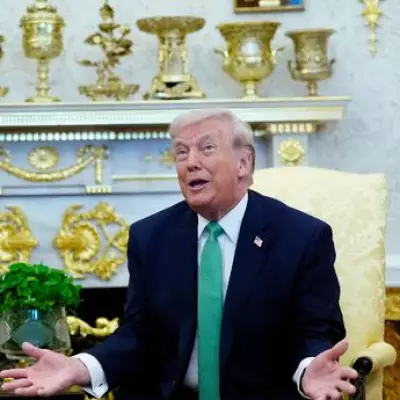
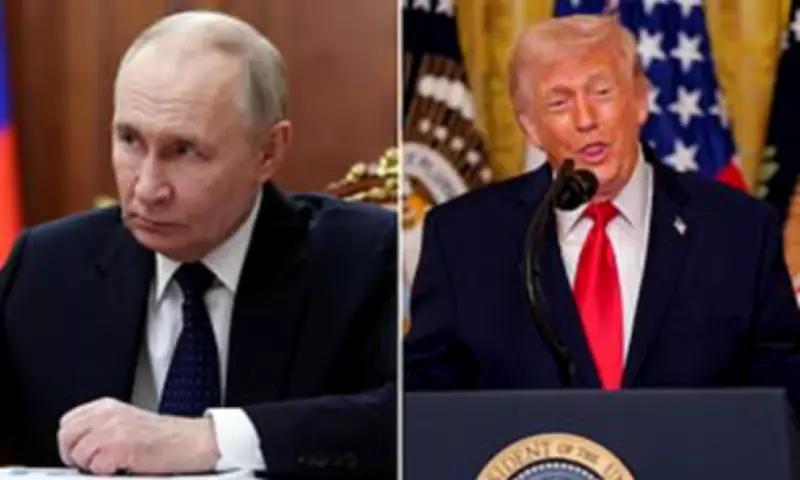
Recently, the United States, under Donald Trump's administration, has opted for a similar tactical approach by temporarily lifting sanctions on Russian oil. This decision followed an hour-long phone call between Trump and Vladimir Putin, aimed at addressing soaring crude prices driven by Iranian attacks on shipping in the Strait of Hormuz. Russian oil, which constitutes approximately 12 percent of global supply and bypasses the strait, is seen as a key to stabilizing American gasoline costs.
Implications for Ukraine and Global Security
However, this move raises profound ethical and strategic concerns. The sanctions were originally imposed as punishment for Putin's aggressive war against Ukraine, where daily bombardments continue to devastate families. By removing them, even temporarily, the US risks sending a conflicting message to Ukraine and inadvertently enriching Putin. The Russian leader has already benefited from the oil price surge, and this waiver could provide him with additional funds to sustain his military operations, which had been facing financial constraints.

Moreover, Putin may exploit this situation to strengthen ties with Iran, a regime already reliant on Russian weaponry. By encouraging Iranian raids in the Strait of Hormuz, Russia could further destabilize global oil markets, creating a cycle of conflict and profit. The US Treasury Department has issued a 30-day waiver allowing purchases of stranded Russian oil at sea, but there is fear that political pressures might lead to an extension, despite the dangers.
Economic Windfalls and Domestic Criticisms
Beyond international ramifications, the oil crisis has domestic economic effects. In the UK, Chancellor Rachel Reeves and Energy Secretary Ed Miliband have warned fuel industry leaders against profiteering during the price spike. Yet, a new study reveals that the UK Treasury is itself gaining substantially, with an extra £91 million monthly in VAT from increased petrol and diesel sales, totaling over £1 billion annually.
Calls for Redistribution and Economic Relief
This windfall has sparked criticism, as it contrasts with the government's admonitions to businesses. Critics argue that Reeves should redirect these funds to consumers, possibly by extending the fuel duty freeze beyond September. With UK economic growth stagnating, such a measure could provide much-needed stimulus. Failure to act, some contend, might imply the government is profiting from wartime conditions, mirroring the very behavior it condemns.
In summary, the temporary lifting of Russian oil sanctions illustrates a high-stakes diplomatic gamble. While it may offer immediate economic relief, it risks empowering adversarial regimes, undermining Western democracy, and exacerbating global instability. The lessons of history, from Afghanistan to current conflicts, underscore the perils of such compromises, urging caution in balancing short-term gains against long-term security.