US-Israel War on Iran Intensifies Amid Kurdish Involvement and Leadership Speculation
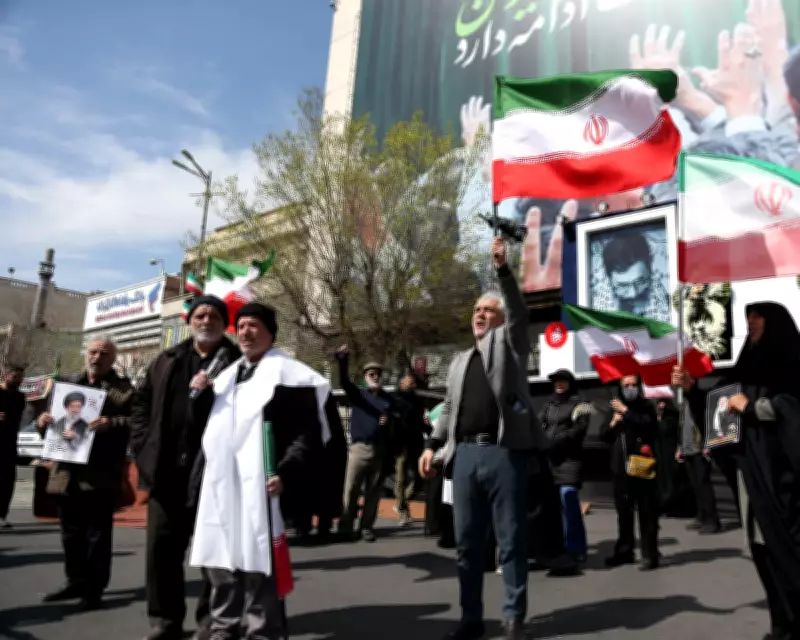
The military confrontation between the United States, Israel, and Iran has now reached its sixth day, marked by escalating tensions and strategic developments. In Tehran, public demonstrations have erupted as citizens protest against the ongoing US and Israeli military assaults, reflecting widespread discontent amid the expanding conflict.
Kurdish Fighters and US Support Stir Regional Unrest
Recent reports indicate that US forces are prepared to offer air support to Kurdish fighters should they engage in the conflict. Kurdish officials, speaking to the Associated Press, revealed that dissident groups based in northern Iraq are mobilising for a potential cross-border operation into Iran. The US has reportedly requested assistance from Iraqi Kurds to bolster these efforts.
Intense airstrikes have targeted numerous military sites, frontier posts, and police stations along Iran's northern border with Iraq. This bombardment appears to be a preparatory move by US and Israeli forces to open a new front in the war. Experts warn that backing armed factions from Iran's ethnic communities could "open up a hornet's nest", exacerbating internal divisions and raising the spectre of a chaotic civil war if the current regime falls.

Leadership Transition and Military Actions
In a significant political development, Mojtaba Khamenei, the second son of the assassinated Ayatollah Ali Khamenei, is widely expected to succeed his father as Iran's supreme leader. This succession would place a hardliner at the helm during one of the most turbulent periods in the Islamic Republic's 48-year history, signalling a steadfast commitment to its current course.
On the military front, a US submarine torpedo sank the Iranian warship Iris Dena off the south coast of Sri Lanka, resulting in the deaths of at least 87 Iranian sailors. The frigate was in international waters returning from a naval exercise in the Bay of Bengal. This attack has prompted former US officials to question whether Washington's objective of dismantling Iran's military breaches international law.
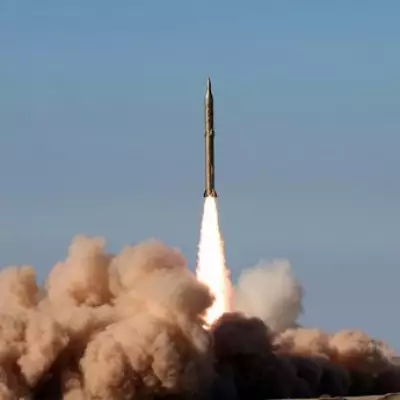
In retaliation, Iran launched missiles at Israel early Thursday, triggering air sirens in Tel Aviv and Jerusalem. Concurrently, Israel conducted new strikes in Lebanon targeting Hezbollah, an Iranian-backed militant group, in Beirut's southern suburbs.
Global Evacuations and Regional Disruptions
As the conflict widens, governments worldwide are urgently organising the repatriation of their citizens from the Middle East. Officials have chartered jets and deployed military aircraft, routing stranded travellers through key exit points such as Oman, Egypt, and Saudi Arabia.
Air traffic in the region remains heavily disrupted, though there are slight signs of recovery. The war has paralysed shipping through the Strait of Hormuz, vital for Middle East oil and gas flows, driving energy prices higher. US energy secretary Chris Wright described the market impact as temporary and a "small price" to pay for military objectives, while former President Donald Trump has pledged insurance and naval escorts for energy exports to mitigate costs.
US Military and Political Dynamics
Top US military officials, in a closed-door briefing to lawmakers, acknowledged that they may not be able to intercept every Iranian drone launched against military installations. Led by General Dan Caine, chair of the joint chiefs of staff, they noted Iran's deployment of thousands of one-way attack drones, with capacity to down most but not all.
In a political move, Senate Republicans rejected a war powers resolution that would have required Donald Trump to seek congressional approval before continuing the war. Democrats argued the campaign is illegal and risks a prolonged conflict, but Republicans dismissed these concerns.

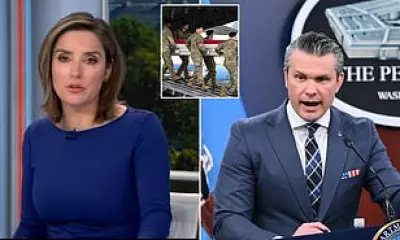
The White House has faced scrutiny over US involvement in the bombing of an Iranian girls' school, which killed 175 people. Press secretary Karoline Leavitt did not accept responsibility, stating the Pentagon is investigating. Defense secretary Pete Hegseth confirmed the investigation and suggested the conflict could last up to eight weeks, emphasising the US has the resources for a war of attrition. He declined to set a precise timeline, noting it depends on developments, and announced additional forces, including jet fighters and bombers, are arriving in the region.