US and Israel Accelerate Kurdish Mobilisation Amid Border Airstrikes
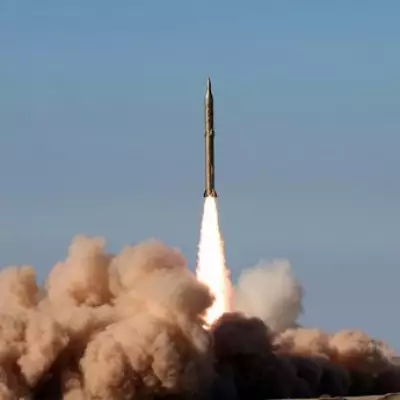
Intense waves of airstrikes have struck dozens of military positions, frontier posts, and police stations along northern parts of Iran's border with Iraq. This escalation appears to be part of preparations by the United States and Israel to open a new front in their conflict with Iran, leveraging Kurdish forces as ground operatives.
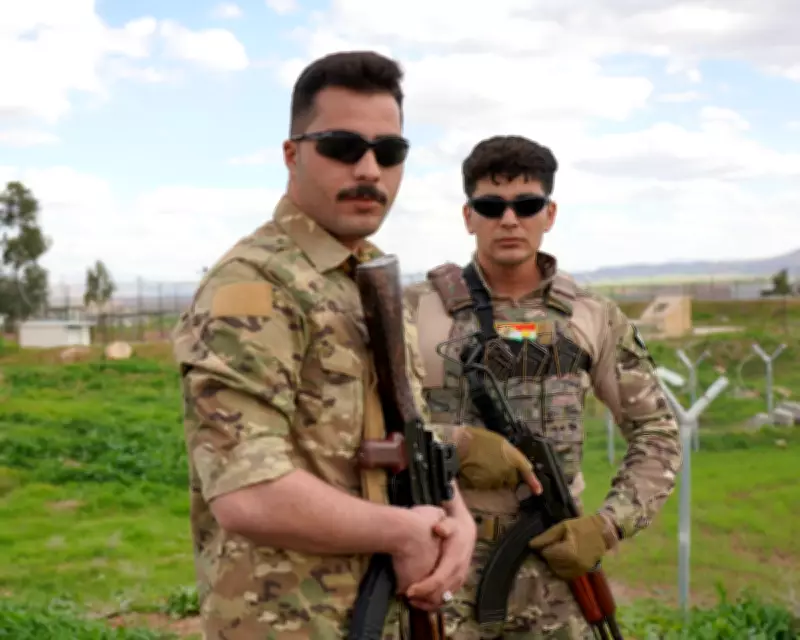
Kurdish Forces on Standby for Cross-Border Operations
A US official familiar with discussions between Washington and Kurdish officials confirmed that the US is prepared to provide air support if Kurdish peshmerga fighters cross from northern Iraq into Iran. Meanwhile, an Israeli military spokesperson stated that the air force has been "heavily operating in western Iran to degrade Iranian capabilities and create freedom of operations toward Tehran."
Reports from Axios and Fox News, citing US sources, indicate that militias have already initiated offensive actions inside Iran, though official details on troop numbers and locations remain unconfirmed. Kurdish officials from the Associated Press revealed that dissident groups based in northern Iraq are gearing up for potential cross-border military incursions, with the US urging Iraqi Kurds to lend support.

Khalil Nadiri, an official with the Kurdistan Freedom Party (PAK) in Iraq's semi-autonomous Kurdish region, disclosed that some forces have relocated near the Iranian border in Sulaymaniyah province and are on standby. He noted that US officials have contacted Kurdish opposition leaders about a potential operation, without elaborating further.
Ethnic Separatist Movements and Regional Risks
In addition to Kurdish mobilisation, Baloch militant groups opposed to Tehran have moved from remote mountain bases in Pakistan into Iran, according to local officials. Experts warn that backing armed groups from Iran's ethnic communities could "open up a hornet's nest," exacerbating internal divisions and heightening the risk of a chaotic civil war if the regime collapses.
Former US President Donald Trump reportedly called two leaders of Iranian Kurdish factions based in northern Iraq this week, expressing openness to supporting groups willing to take up arms against the regime. Clandestine operations in north-western Iran, where Kurdish communities are concentrated, intensified after the brief Iran-Israel conflict last summer, as noted by former intelligence and defence officials from Israel, the US, and the region.
Recent clashes between Iran's Islamic Revolutionary Guard Corps (IRGC) and Kurdish peshmerga fighters entering from Turkey and Iraq were reported in January. Two weeks ago, five rival Iranian Kurdish organisations, led by the Democratic Party of Iranian Kurdistan (KDPI), formed a coalition dedicated to overthrowing Tehran's regime.
Strategic Implications and Expert Caution
A KDPI spokesperson declined to confirm if its leader, Mustafa Hijri, was among those contacted by Trump but emphasised that "free, democratic societies worldwide should assist Iranian Kurds in winning freedom." Hijri has called on Iranian military personnel to abandon their posts, citing ongoing US and Israeli strikes as direct threats.
Alia Brahimi, a Middle East expert at the Atlantic Council, cautioned against outsourcing ground fighting to ethnic separatist groups, warning it could reduce US influence and rally Iranian public support around the regime. She criticised the Trump administration's lack of strategic planning and unclear objectives in the conflict.
Operatives from Israeli intelligence are reportedly active inside Iran, with drone attacks on IRGC units along the border bearing hallmarks of Israeli involvement. A former US defence official suggested these strikes aim to create "access points" for Kurdish fighters to establish strongholds in Iran, following a strategy used in Afghanistan, Syria, and Iraq against Islamic State.

Regional Concerns and Historical Context
Support for Kurdish armed groups is likely to provoke deep concern in Turkey, Iraq, and Syria, which host significant Kurdish minorities. Barbara Leaf, former assistant secretary of state for near eastern affairs, warned that such moves could trigger strong reactions from regional leaders, including Turkey's Recep Erdoğan and Iraq's Mohammed Shia al-Sudani.
Qubad Talabani, deputy prime minister of Iraq's Kurdistan region, affirmed neutrality in the conflict. Meanwhile, violence from Iran's Baloch minority in the south-east has intensified, with groups like Jaish al-Adl forming coalitions against the regime.
Nasser Bouledai, an exiled Iranian Baloch leader, called for consistent US support for minorities, contrasting past betrayals of Syrian Kurds. He urged Washington to resolve Iran's issues permanently by backing ethnic and religious groups against the clerical regime.