Global Escalation as US-Iran Conflict Intensifies with Naval Strike and NATO Response
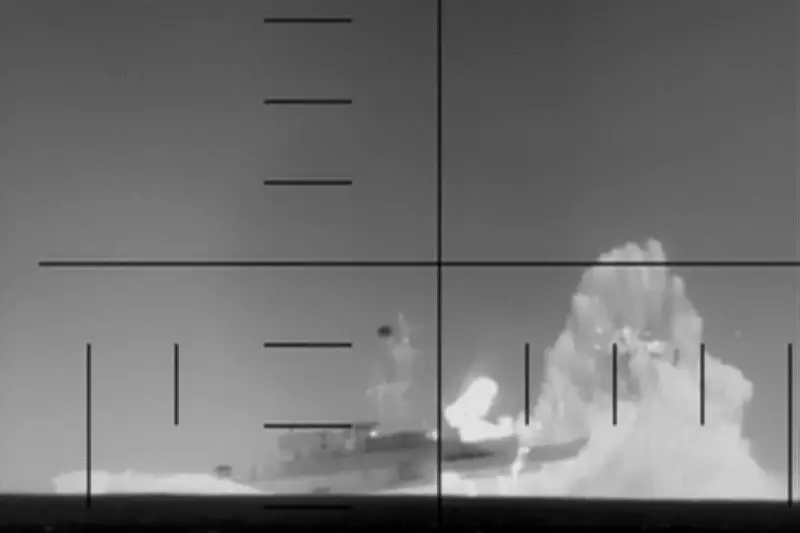
The war between the United States and Iran has dramatically escalated beyond the Middle East, spreading across international waters and drawing in NATO allies. On Wednesday, a US Navy submarine torpedoed and sank the Iranian frigate IRIS Dena off the coast of Sri Lanka, resulting in significant casualties. Simultaneously, NATO forces intercepted an Iranian ballistic missile headed toward Turkey, marking a dangerous expansion of the conflict.
US Military Boasts of 'Just Beginning' as Strikes Intensify
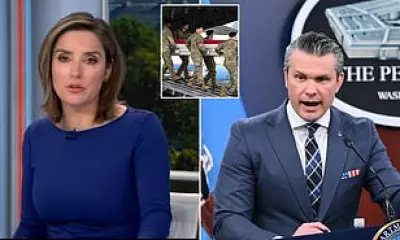
US Defense Secretary Pete Hegseth delivered a bombastic briefing in Washington, declaring that Operation Epic Fury has "only just begun." He confirmed the destruction of the Iranian warship, stating, "An American submarine sunk an Iranian warship that thought it was safe in international waters. Instead, it was sunk by a torpedo. Quiet death." Hegseth emphasized the US commitment to a prolonged conflict, with additional bombers and fighters deploying to the region.
"This was never meant to be a fair fight, and it is not a fair fight," Hegseth asserted. "We are punching them while they're down. Our air defences and that of our allies have plenty of runway. We can sustain this fight easily for as long as we need to." General Dan Caine, Chairman of the Joint Chiefs of Staff, added that US forces would now "begin to expand inland striking progressively deeper into Iranian territory," claiming Iran's missile capabilities have diminished since the conflict's outbreak.

NATO Intercepts Missile and Britain Mobilises Evacuation Efforts
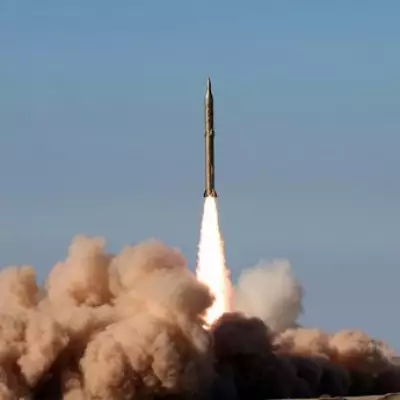
In a separate incident, NATO air and missile defence systems shot down an Iranian ballistic missile over the eastern Mediterranean after it veered off course toward Turkey. A Turkish official indicated the missile was aimed at a military base in Cyprus, highlighting the conflict's spillover into NATO territory. NATO affirmed its solidarity with Turkey, condemning Iran's "indiscriminate attacks across the region."
Meanwhile, Britain is coordinating evacuation efforts for its nationals stranded in the Middle East. Sir Keir Starmer announced two more government-chartered flights will depart from Oman "in the coming days," with British Airways operating additional flights from Muscat to Heathrow. Unlike other regional hubs, Muscat remains accessible as it is not covered by Foreign Office travel warnings, though experts warn it could take weeks to clear the backlog of passengers from the 138,000 registered British nationals.
Naval Deployment and Regional Fallout
The Royal Navy is preparing HMS Dragon, loaded with ammunition in Portsmouth, to sail to Cyprus next week to protect Britain's base there, following a drone strike on RAF Akrotiri. Wildcat helicopters armed with Martlet missiles are being deployed ahead of the warship. On the ground, Iran launched retaliatory strikes with hundreds of drones targeting Kuwait, Iraq, Saudi Arabia, and the United Arab Emirates, though it insisted these were aimed at US interests, not neighbours.
Casualties continue to mount, with Sri Lankan authorities reporting up to 87 killed in the torpedo attack on the Iranian frigate. Iran's Foundation of Martyrs and Veterans Affairs claims the death toll in Iran has surpassed 1,000, including 160 children killed in a bombing of a girls' school in Minab, which the Pentagon is investigating. Israel, engaged in its fifth day of strikes, reported an F-35 fighter jet downing an Iranian Yak-130 over Tehran and dropping 5,000 munitions since Saturday.
International Reactions and Legislative Moves
The EU's top diplomat, Kaja Kallas, condemned Iran's actions, stating, "Iran's strategy is to sow chaos and set the region on fire." As the US administration threatens a war lasting weeks, the Senate is preparing a key vote on a war powers resolution that could require congressional approval for future attacks. With the conflict showing no signs of abating, global tensions remain high as military and diplomatic maneuvers unfold across multiple continents.