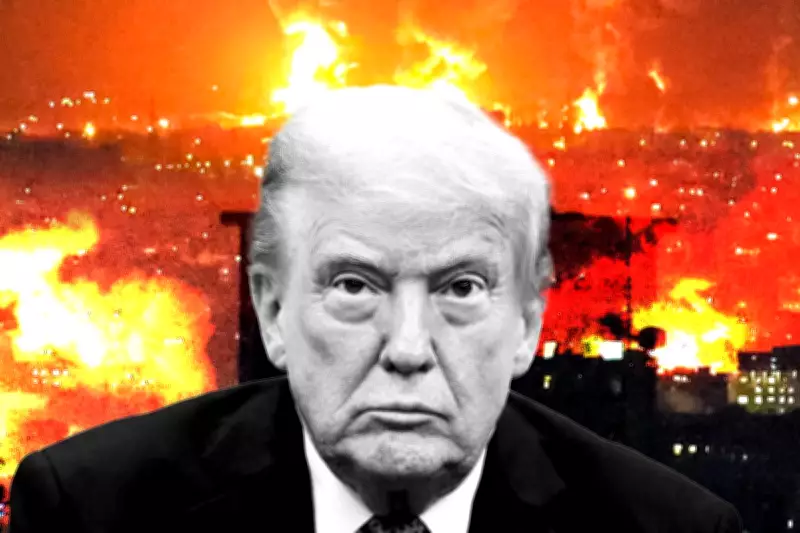
US-Iran War Ceasefire Takes Effect After 39 Days of Devastating Conflict
A fragile two-week ceasefire has been agreed between the United States and Iran, pausing a 39-day war that has resulted in catastrophic human and economic costs. The conflict, which erupted on 28 February 2026, has claimed over 5,000 lives, displaced more than one million civilians, and caused unprecedented disruption to global energy supplies. Both nations have declared victory as initial steps toward peace begin, but negotiators face significant hurdles in resolving fundamental disagreements for a lasting deal.
Military Operations and Escalation in Numbers
In the opening 24 hours, US forces struck over 1,000 targets in Iran, with the Israeli Air Force hitting an additional 750. By 26 March, US Defence Secretary Pete Hegseth reported more than 10,000 targets had been attacked since the war's inception, including underground facilities and key defence infrastructure. On the eve of the ceasefire, 6 April, the US had hit more than 13,000 targets and damaged or sunk 155 Iranian vessels, averaging 273 daily strikes in the final two weeks.
The US military claims to have neutralized over 90 percent of Iran's navy, while Israel has killed more than 250 Iranian leaders, including Ayatollah Ali Khamenei on the first day. Washington fired over 850 Tomahawk missiles in the initial four weeks, each costing $3.5 million, raising concerns among Pentagon officials. US losses included three F-15E Strike Eagles valued at $31 million each, mistakenly downed by Kuwait, and two MC‑130 aircraft destroyed during a rescue mission after mechanical failures.

Humanitarian Catastrophe and Regional Fallout
The human toll is staggering, with 5,372 reported deaths after six weeks, according to regional tallies and rights groups. In Iran, 3,363 people have been killed, including 1,701 civilians and at least 254 children. A missile attack on an elementary school in southern Iran claimed 175 lives, mostly schoolgirls, with a preliminary investigation pointing to a US military error. Norway-based Hengaw reported at least 1,700 detentions in a wartime crackdown and 160 executions in early 2026.
In Lebanon, clashes between Israel and Hezbollah have displaced hundreds of thousands, with 1,530 killed in Israeli strikes since 2 March, including 129 children. The British Red Cross noted over a million displaced by late March, surpassing crises like the Iraq war. Humanitarian efforts have been immense, with the Lebanese Red Cross distributing thousands of blankets, mattresses, and food parcels in the first week alone. Tragically, four Red Cross volunteers have been killed while saving others.
Economic and Global Repercussions
The financial costs are astronomical. Elaine McCusker, a former Pentagon budget official, estimated battle damage and replacement losses in the first three weeks alone at $1.4 billion to $2.9 billion for the US. Pentagon officials revealed the initial six days cost $11.3 billion, with the UN estimating daily US spending at around $1 billion. The Center for American Progress forecast a total cost of $25 billion in the first month.
Global energy markets were severely disrupted as Iran closed the Strait of Hormuz, a vital waterway for one-fifth of global oil and gas supplies. Oil prices peaked at $120 per barrel on 9 March, though they fell to $92 with the ceasefire announcement. UK motorists paid an additional £307 million for fuel in the early weeks, while US drivers faced $8.4 billion in higher gas costs. The travel industry lost £450 million daily due to Middle East flight disruptions.
Ceasefire Dynamics and Future Challenges
The ceasefire brings temporary relief, with crowds in Iran celebrating overnight by burning US and Israeli flags. Iran has committed to reopening the Strait of Hormuz, while the US has halted strikes. However, Iran's 10-point peace proposal shows little overlap with the US's 15-point plan, and includes points already rejected by Washington. A regional official indicated Iran may charge tolls on ships transiting the Strait as part of the ceasefire deal mediated by Pakistan.

While the truce offers hope, fighting continues in Lebanon, where Israel launched its largest strikes yet. The conflict involved at least 16 countries, with broader impacts on international shipping and foreign bases. As the fragile ceasefire takes effect, the path to lasting peace remains fraught with challenges, requiring intense diplomacy to address deep-seated issues and prevent further escalation.