US-Iran Peace Negotiations End in Failure After Marathon Islamabad Talks
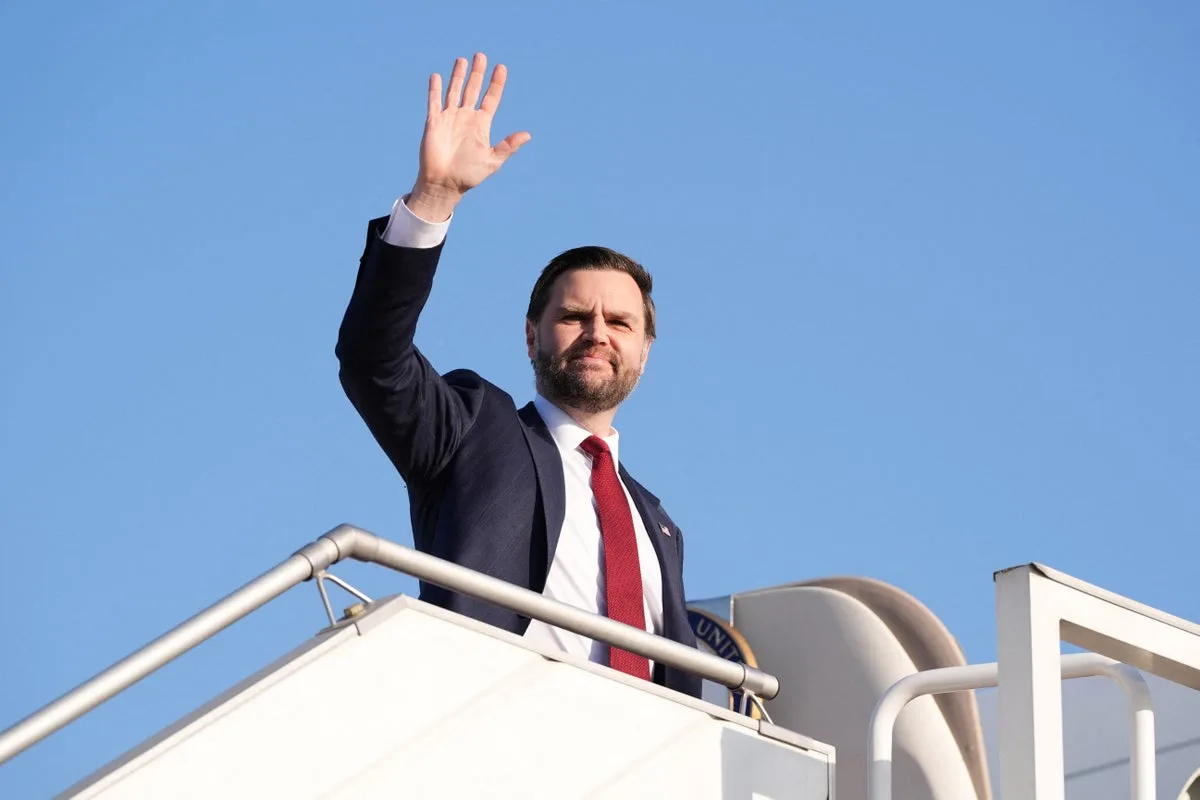
The world is now grappling with profound uncertainty after high-stakes peace negotiations between the United States and Iran concluded abruptly this weekend without any agreement. The talks, held in Islamabad and mediated by Pakistan, ended with US Vice President JD Vance returning home empty-handed, leaving the future of the Middle East conflict dangerously unresolved.
Twenty-One Hours of Talks Yield No Breakthrough
The diplomatic effort spanned an intense twenty-one hours of closed-door discussions on Saturday between Vice President Vance and his Iranian counterparts. Despite the historic nature of the meeting, both sides emerged with starkly different accounts of why the negotiations failed. Vance told reporters at a subsequent news conference that Iran had "chosen not to accept our terms" and emphasized the need for an "affirmative commitment" that Tehran would never seek nuclear weapons or the means to produce them.
Iranian Foreign Ministry spokesperson Esmaeil Baqaei offered a more opaque assessment, telling state media that "two or three key issues" prevented a deal but providing no clarity on whether further discussions might occur. The current two-week ceasefire remains technically in place, but without diplomatic progress, analysts warn a return to full-scale hostilities appears increasingly inevitable.
The Nuclear Question and 'Excessive Demands'
The core disagreement centered on Iran's nuclear ambitions, a issue previously addressed by the Obama-era Joint Comprehensive Plan of Action (JCPOA). Vance insisted that any agreement must include ironclad guarantees preventing Iran from obtaining nuclear weapons, while Iranian officials accused the US of making "excessive demands." Former Iranian Foreign Minister Javad Zarif, who helped negotiate the JCPOA, suggested it was "not too late" for Washington to realize "it can't dictate terms to Iran."
Iranian lead negotiator Mohammad Bagher Ghalibaf indicated Tehran remains open to diplomacy but questioned American trustworthiness, stating the US was "unable to gain the trust of the Iranian delegation in this round of talks." He emphasized that Iran views strong diplomacy as parallel to military action in defending national interests.
Precarious Situation in Lebanon
The diplomatic impasse leaves Lebanon in an especially vulnerable position. Israeli forces continue to attack Iranian-aligned Hezbollah militants within the country, despite the broader ceasefire. Over 2,000 people, predominantly civilians, have died since hostilities began, with more than 300 fatalities occurring in a single devastating Israeli strike last Wednesday.
Israeli Prime Minister Benjamin Netanyahu has explicitly stated "there is no ceasefire" in Lebanon and pledged to continue striking Hezbollah forcefully. The militant group, though outgunned by Israel's US-backed arsenal, has responded with missile attacks intercepted by Israeli defenses. This ongoing violence suggests conflict could escalate further before any meaningful diplomatic progress occurs.
Global Economic Consequences
The failure to secure an agreement has immediate economic repercussions worldwide. Crude oil prices have surged from $66.97 per barrel in late February to $97.47 on Friday, primarily due to disruptions in the Strait of Hormuz. This critical shipping channel, controlled by Iran, remains congested with tankers unable to navigate safely through heavily mined waters.
Consumers are feeling the pinch directly at fuel pumps. In the United States, average gasoline prices have climbed to approximately $4.125 per gallon, nearly a dollar higher than 2025 levels. The impact is even more severe in the United Kingdom, where average petrol prices reached 158.03p per liter and diesel hit 191.11p. British motorists now pay an average of £13.86 more per tank than before the Middle East conflict erupted.
Luke Bosdet, spokesman for the AA, noted that fuel prices typically lag wholesale costs by 10-14 days, meaning consumers could see relief "provided the ceasefire holds." However, with negotiations collapsed, such stability appears unlikely.
Trump's Shadow Over Diplomacy
Former President Donald Trump, though not directly involved in negotiations, loomed large over the proceedings with his characteristically combative rhetoric. Following the talks' failure, Trump posted on Truth Social claiming Iranian leaders were "no longer with us" and mocking Islam while his vice president was hosted by Muslim-majority Pakistan. He also boasted about clearing the Strait of Hormuz "as a favor" to other nations while criticizing their lack of "Courage or Will."
In a statement outside the White House, Trump displayed apparent indifference to the diplomatic outcome, asserting "it makes no difference to me" whether a deal is reached and claiming America had "totally defeated that country." This stance contrasts sharply with his administration's decision to send Vance thousands of miles to pursue an agreement.
An Uncertain Path Forward
The collapse of peace talks leaves critical questions unanswered. Will diplomacy continue through third-party mediators? Can the fragile ceasefire hold without substantive progress? How will continued instability affect global markets and regional security? With both sides entrenched in their positions and Trump's unpredictable influence lingering, the Middle East faces a precarious moment where the line between war and peace has never been thinner.