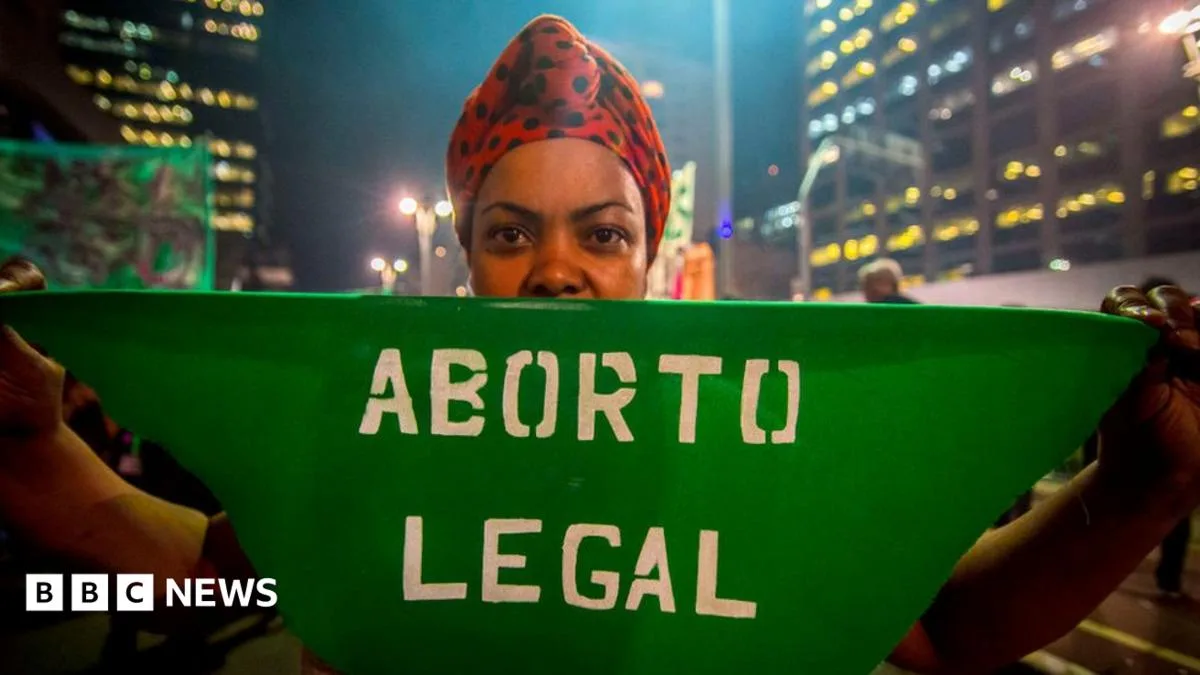
Brazil's strict abortion laws have left many rape survivors facing an 'impossible choice', with access to legal terminations further curtailed during the coronavirus pandemic. Women like Paloma, a 27-year-old mother of two who was raped by an ex-boyfriend, have struggled to navigate the system and often resort to dangerous clandestine procedures.
Under Brazilian law, abortion is only permitted in cases of rape, risk to the mother's life, or foetal anencephaly. However, many women are unaware of their rights or face barriers such as being required to report the rape to police, which can deter them due to fear of retaliation. Paloma initially saved 3,700 reais ($660) for a clandestine abortion, but the pandemic shut down travel and clinics, delaying her procedure until she was over 23 weeks pregnant.
Activists report that of 76 registered legal abortion clinics in Brazil, only 42 remained open during the pandemic. Dr Helena Paro, co-ordinator of the Nuavidas clinic in Uberlândia, said the pandemic became 'an excuse to unravel the rights of women'. Her clinic saw a doubling of women seeking legal abortions after lockdown restrictions eased, many with advanced pregnancies due to delays in accessing care.

Sandra Leite, co-ordinator of a centre for female victims of violence at Recife Women's Hospital, noted that during quarantine, women had more difficulty leaving home, and sometimes their attackers were inside the house with them. She observed a decline in patients during lockdown but a subsequent increase, indicating that women suffered more violence while isolated with aggressors.
Abortions after 22 weeks are controversial in Brazil, with the health ministry advising against them due to heightened risks. Dr Paro argued that the 22-week limit is not based on scientific evidence and that women arriving late often do so because of obstacles in accessing care. Paloma eventually found help through a network called Milhas pela Vida das Mulheres, which guided her to a legal clinic. She reflected, 'I was going to risk my life and I may not have been alive today.'