US Forces Board Second Venezuelan-Linked Oil Tanker in Indian Ocean
In a dramatic escalation of maritime enforcement actions, United States forces have intercepted and boarded a second oil tanker with connections to Venezuela in the vast expanse of the Indian Ocean. This operation marks a significant development in the ongoing efforts to enforce international sanctions against the South American nation, which has been grappling with economic turmoil and political instability for years.
Details of the Maritime Operation
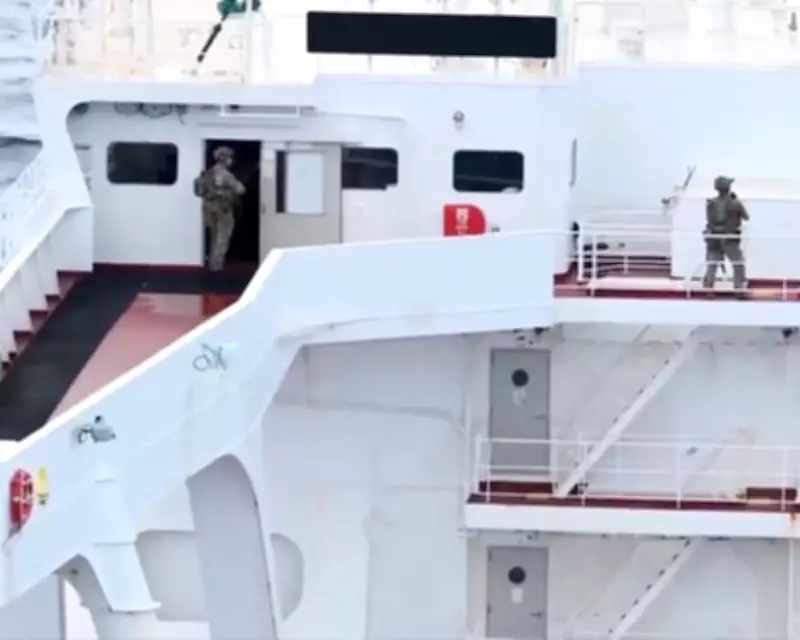
The incident occurred in the Indian Ocean, a critical global shipping route for oil and other commodities. According to reports, US naval personnel boarded the vessel to inspect its cargo and verify its compliance with sanctions imposed on Venezuela. The tanker is believed to be transporting crude oil or refined petroleum products, though specific details about its destination and the exact nature of its Venezuelan links remain under investigation.
This boarding follows a similar operation earlier, where US forces targeted another Venezuelan-linked tanker in the same region. The repeated actions underscore a heightened focus by the US on disrupting illicit oil shipments that may be circumventing sanctions designed to pressure the Venezuelan government.

Implications for Global Oil Trade and Sanctions
The boarding of this second tanker has far-reaching implications for global oil markets and international relations. Venezuela, once a major oil producer, has seen its output plummet due to sanctions, mismanagement, and infrastructure decay. However, some entities continue to attempt exporting oil, often through covert means or by using intermediaries to mask the origin of the cargo.
By targeting these shipments in the Indian Ocean, the US is sending a clear message about its commitment to enforcing sanctions. This could deter other actors from engaging in similar trade with Venezuela, potentially tightening the economic pressure on the country. However, it also risks escalating tensions with nations that may have differing views on the sanctions regime.
Broader Context and Regional Security Concerns
The Indian Ocean is a strategic waterway, with key chokepoints and busy shipping lanes that are vital for global commerce. The presence of US forces conducting such boardings highlights the region's importance in geopolitical maneuvering. It also raises questions about maritime security and the legal frameworks governing such interventions in international waters.
Venezuela has not yet issued an official response to this latest incident, but previous actions have drawn criticism from its allies, who argue that the sanctions are exacerbating humanitarian crises. The US, on the other hand, maintains that these measures are necessary to promote democratic reforms and curb corruption in Venezuela.
As the situation unfolds, analysts are closely monitoring the impact on oil prices and diplomatic relations. The boarding of a second tanker suggests that the US is adopting a more aggressive posture, which could lead to further confrontations or, alternatively, force a reassessment of oil trading practices involving Venezuela.